Living in Dubai as an expat: A complete guide
Read our guide to living in Dubai as an expat, covering cost of living, job opportunities, healthcare and more.



Dubai’s property market attracts many UK buyers looking for investment opportunities and a luxurious lifestyle. However, buying property abroad always carries risks and it’s important to be aware of them before committing to a purchase.
In this guide, we’ll look at some of the common risks of buying property in Dubai. We’ll help you prepare for potential issues and show you how to avoid them.
We’ll also introduce a reliable and cost-effective way to send and receive large sums internationally from the money services provider Wise. With low, transparent fees*, great mid-market exchange rates, and secure, trackable transfers, Wise makes international money transfers simple and stress-free.
Plus, you’ll get dedicated support and volume discounts when sending large amounts.
Get expert support for your large transfer 📞
Even if you’re experienced in property buying, investing abroad can bring unexpected challenges. To help you avoid costly errors, here are some important risks to consider when purchasing property in Dubai.
One of the key risks of buying property in Dubai is misunderstanding the difference between freehold and leasehold ownership. Many buyers, especially foreigners, make the mistake of believing all properties sold to them are freehold.¹
If you buy a freehold property, this means you own both the unit and the land it stands on and you can pass it down to your heirs. A leasehold property gives you the right to use the unit for a set period of time, but the land remains owned by someone else.¹
Leasehold properties come with certain restrictions, as you’ll often have to ask the land owner for permission to sublet or sell the property. If you’re unfamiliar with Dubai’s property laws, this can lead to unexpected complications.¹
If you plan to buy property in Dubai with the intention of renovating or making structural changes, you might encounter some issues. Official approval is often needed for any major work, as well as electrical or plumbing work.²
Freehold property owners need approval from the Dubai Development Authority (DDA), while those in leasehold areas need permits from the Dubai Municipality (DM).² Although these rules help ensure safety and quality, the approval process can be complicated and time-consuming. It’s important to research these requirements carefully before you start any renovations.
The growing real estate market in Dubai has attracted many new agents, but not all have the experience needed to help buyers properly. With social media making it easy for anyone to present themselves as an expert, inexperienced brokers often spread misleading information.
When making such a big investment, it is essential to work with a knowledgeable agent who truly understands Dubai’s property market. This will help you make informed decisions and avoid costly mistakes.
Fake property listings are a serious risk when buying property in Dubai. Scammers sometimes create attractive adverts for properties that don’t actually exist or have already been sold and trick buyers into sending deposits or fees upfront. They disappear once the money is paid, leaving the buyer with no property and little chance of recovering their funds.
To protect yourself, always verify listings through official channels, deal only with licensed agents and never pay anything before viewing the property in person or confirming its ownership.
One of the biggest risks of buying property in Dubai is the delay in completing off-plan developments. Whether caused by the developer, labour shortages, or other factors, you may end up waiting much longer than expected.
Although off-plan properties are often cheaper, it’s important to consider whether the risk is worth taking. In some cases, the project may be cancelled altogether, which can leave buyers waiting years for a property or struggling to recover their money.
To avoid these risks, it is important to research the developer's history and seek legal advice before committing.
The Real Estate Regulatory Authority (RERA) in Dubai has the right to cancel a project in several cases. For example, if the land you’re purchasing is affected by re-planning projects, you might end up dealing with the Dubai Real Estate Court.³
If you’d like to track the status of your property, the official website of Dubai’s Land Department has all the necessary information. To avoid uncomfortable situations, it’s important to ensure the project is registered with RERA in the first place.³
Dubai’s property market is known for its fluctuations. During times of economic growth, property prices can rise quickly, but these increases often don’t last. Like many others, you might find yourself with a property worth far less than what you paid.
Various factors impact the state of the real estate market, such as oil prices and regional instabilities. If you’re looking to earn a short-term profit, Dubai might not be the best place for property investment.
A mistake many make is relying just on photos when buying a property in Dubai. Pictures usually show the best angles, but they might not tell you everything. For example, you might not realise the view is blocked or that the apartment doesn’t get much sunlight.
Photos can also hide problems like noise, poor ventilation or even what the neighbours are like. It’s always better to visit the property yourself to avoid any unexpected surprises or hire a trusted agent to tell you how it is.
Although English is widely spoken in the real estate sector, legal documents, contracts and government procedures might still be in Arabic. This becomes even riskier when dealing with off-plan properties or agents who may not fully explain important details. It’s easy to overlook some details if verbal promises don’t match what’s in the paperwork.
To avoid this, it’s important to have a trusted bilingual lawyer review all documents before signing anything. It’s also wise to hire a translator if needed, since these costs are likely to be much less than the expense of buying the wrong property.
One common risk when buying property in Dubai is using the seller’s lawyer instead of hiring your own. Although it may seem convenient, this creates a conflict of interest because the lawyer’s duty is to protect the seller, who is their primary client. When you share a lawyer, your interests as the buyer may not be fully represented, and important risks or details could be missed.
Having an independent lawyer who works only for you ensures that contracts are carefully reviewed, your rights are clearly explained and the terms are fair. Without your own legal representation, you increase the chances of misunderstandings and financial loss.
Need a secure, convenient and low-cost way to send large sums of money abroad? Take a look at the Wise account from the money services provider Wise. It's not a bank account but offers some similar features and your money is safeguarded.
With Wise, you can send large amount transfers worldwide to 140+ countries for low, transparent fees* and the mid-market exchange rates with no markup.
| Here’s an overview of the main benefits of using Wise: |
|---|
|
**Investments in funds are never guaranteed and your capital can be at risk. In the UK, Interest and Stocks are provided by Wise Assets — this is the trading name of Wise Assets UK Ltd, a subsidiary of Wise. Wise Assets UK Ltd is authorised as an investment firm and regulated by the Financial Conduct Authority (FCA). Our FCA number is 839689. We do not give investment advice, and you may be subject to pay tax. If you're not sure, seek qualified advice. You can find more information about the funds on our website.
Sources used:
Sources last checked on date: 18-Sep-2025
*Please see terms of use and product availability for your region or visit Wise fees and pricing for the most up to date pricing and fee information.
This publication is provided for general information purposes and does not constitute legal, tax or other professional advice from Wise Payments Limited or its subsidiaries and its affiliates, and it is not intended as a substitute for obtaining advice from a financial advisor or any other professional.
We make no representations, warranties or guarantees, whether expressed or implied, that the content in the publication is accurate, complete or up to date.
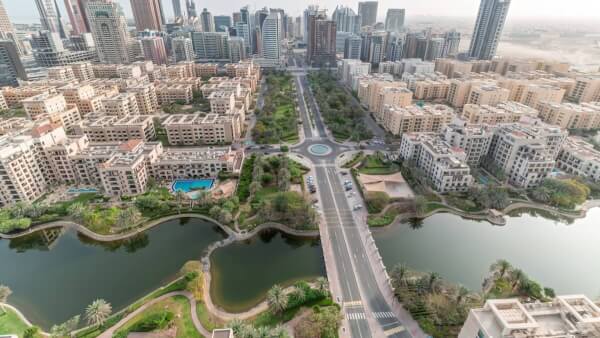
Read our guide to living in Dubai as an expat, covering cost of living, job opportunities, healthcare and more.

Read our complete guide to the Dubai digital nomad visa, covering fees, documents, eligibility requirements and application process for 2025.
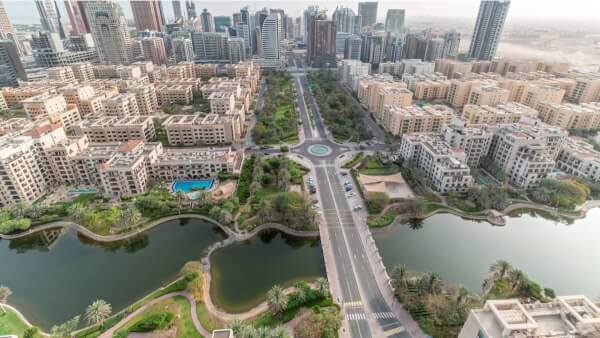
Read our comprehensive guide to selling property in Dubai, including fees, taxes, timescales and a step-by-step guide to the process.

Discover the pros and cons of living in Dubai in our handy guide, including tips for relocating from the UK and the best neighbourhoods to live in the city.

What is the UAE Golden Visa and how can you get it? Find out everything about it including eligibility, the application process and costs.
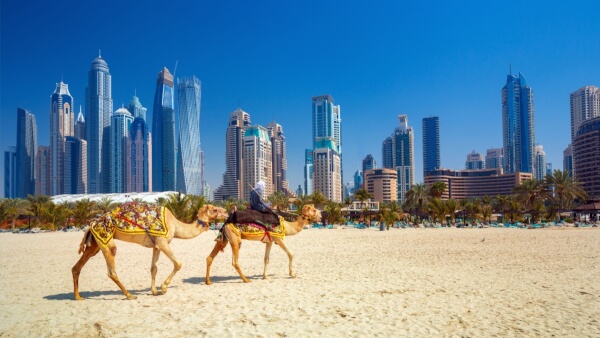
Everything you need to know about moving to Dubai from the UK. Read about visas, popular expat destinations, finding a job, healthcare and more.