US Diversity Immigrant Visa: How the Green Card Lottery works for Brits
Curious about the US Green Card Lottery? UK citizens can now apply to US Diversity Immigrant Visa program. We cover the process, requirements and more.


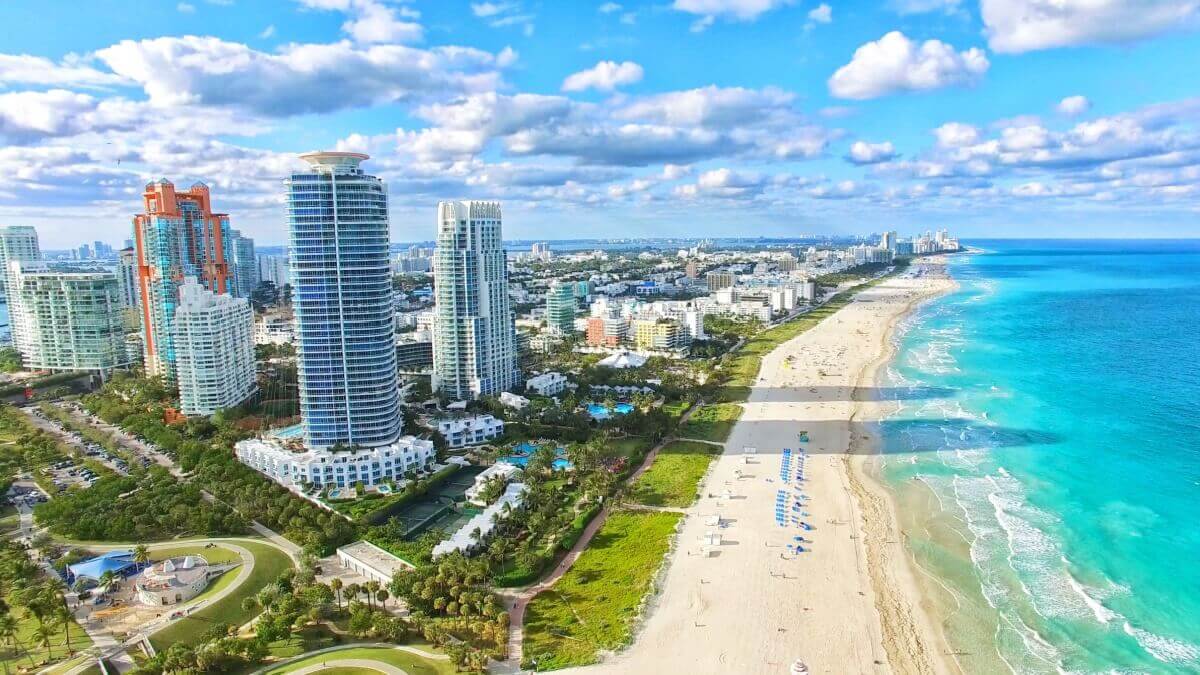
Florida’s a lifestyle as much as a location. Known for year-round sunshine and miles of beaches, the state stands out as a top choice for Brits moving across the pond.
Besides the great weather and world-famous attractions, Florida already has a strong UK expat community. That means local services that understand British buyers, ready to meet your needs.
If you’re considering buying property in Florida, this guide for foreigners has an array of details, from finding the right property to setting up utilities. We’ll go over the overall buying process in detail, cover pitfalls to avoid and look at the financial aspects like taxes and fees.
We’ll also introduce a reliable and cost-effective way to send and receive large sums internationally from the money services provider Wise. With low, transparent fees*, great mid-market exchange rates, and secure, trackable transfers, Wise makes international money transfers simple and stress-free.
Plus, you’ll get dedicated support and volume discounts when sending large amounts. On a £50,000 transfer, you could save up to £1,000 with Wise vs your bank.
Get expert support for your large transfer 📞
Buying a property in Florida is quite different from buying one in the UK. Here’s how the process works in the Sunshine State.
Becoming a property owner in Florida comes with tax-related responsibilities, so it makes sense to get your Individual Taxpayer Identification Number (ITIN) right at the start of the process. This number is similar to a US Social Security Number, but for foreigners who need to file US taxes.¹
Not every property purchase requires an ITIN, but you often need one to apply for a mortgage, open more types of US bank accounts, and report future rental income.
It’s time to figure out how much you need to budget for your new property, including taxes, fees and insurance costs.
If you need financing, now’s the time to apply for a mortgage pre-approval from a US bank. We’ll go over how to do this later on.
You don’t have to have an estate agent or lawyer to buy property in Florida as a foreigner, but many do choose to hire them.
A buyer’s agent guides your search and negotiations. One with experience working with international clients can be a big help in navigating the market and the laws.¹
Florida is a title-company state, which means that instead of a real estate attorney, a licensed title agent can handle the completion, called closing in the US, and issue title insurance.² A solicitor can do a title search, check for any other issues, and review the paperwork to give you extra protection, especially if you’re unfamiliar with US property laws.¹
For most property buyers, this is the fun part: looking at what properties are on the market and checking them out to see if they’ll fit your needs. Typically, your estate agent will schedule these for you.
Once you’ve decided on a property, you can make a competitive offer in writing with the help of your agent. As in the UK, there’s room to negotiate on price and terms.
If the seller accepts your offer, you both sign a purchase contract. At this point, you put down a deposit held in escrow, called earnest money.¹
The purchase contract typically includes an inspection period of a week or two. During this time, you can hire a licensed home inspector. This isn’t a legal requirement, but almost all buyers do to avoid unwanted surprises.¹ In addition, insurers often require inspections before they’ll issue coverage and you’ll need insurance in place before closing if you have a mortgage.
On closing day, you receive a closing disclosure that shows you the final costs. You wire the funds and sign the final paperwork. The title company records the deed, and you officially take ownership of your new Florida property.¹
Foreigners can get a mortgage from a Florida bank, though the terms will likely be a bit less favourable and the paperwork more demanding than for US citizens.
Most lenders will ask for a bigger deposit, also called a down payment, in the 30% to 50% range, compared to just 20% for Americans. Plus, fees and interest rates tend to be higher for foreigners, though this will depend on your financial profile.¹
It may be worth working with a mortgage broker who specializes in helping international buyers. They can connect you with the best lenders for competitive terms, usually at no extra cost to you.
In addition to the cost of the property itself, you’ll need to budget for fees and taxes. These apply to both foreigners and US citizens.
One-time closing costs include a recording fee, a small sum similar to the land registry fee in the UK, for registering the deed and mortgage with the county.³
If you’re financing your property purchase, you’ll also be responsible for:
You’ll also pay property taxes on an ongoing basis. These vary by county and city, but average 0.82% across the state.⁵ If the property is your permanent residence, you can save on taxes by taking advantage of Florida’s homestead exemption, which lets you receive up to $50,000 (around £40,000 GBP) of the property value in exemptions from taxes.⁶
Vacation homes and investment properties, however, aren’t eligible for the homestead exemption. And if you rent out your home, you’ll need to pay taxes on rental income.
Depending on where your property is located, you may also have local fees for services like sewage or road maintenance.
Florida’s housing market has cooled lately. The state’s now considered a buyer’s market, with homes sitting on the market longer than anywhere else in the US.
Since last year, inventory in Florida has climbed up over 9% while sales have gone down by 7%. Property sales prices have also gone down by 1.3% year-on-year. Analysts expect this fall to continue.⁷
Foreigners are free to purchase property in Florida, with a caveat: A 2023 law restricts nationals from seven countries; China, Russia, Cuba, Iran, North Korea, Syria and Venezuela, from owning agricultural land or property within 20 miles of military bases and critical infrastructure.⁸
This law doesn’t apply to UK citizens, leaving the process of purchasing property in Florida much the same as it is for US citizens.
There’s no direct path to residency by buying property in Florida. To live in the US long-term, you’ll need a visa or another legal route.
UK citizens can visit for up to 90 days under the Visa Waiver Program, but longer stays require options like student, family or employer-sponsored visas. Investor visas do exist, but these apply to business investments that create jobs, not property purchases.
According to Redfin, the median sales price for homes across the state is $403,000, or about £320,000 GBP. What you actually pay, of course, will depend heavily on location. Here’s what median home prices look like in some of Florida’s cities:
The most affordable places to buy property in Florida are in smaller, inland cities. According to Redfin, the cheapest place to buy a home is Pine Hills, a community of about 66,000 residents where the median home sales price is $256,500 (about £205,000).¹⁰
Gainesville, home to the University of Florida, comes in at $275,500 (around £220,000), and nearby Ocala at $289,990 (around £232,000). Other areas with low mean prices include Lakeland and Port Charlotte.
Finding a property in Florida is much like in the UK. You may hear about opportunities through word of mouth, but most buyers start by browsing online listings and working with local estate agencies.
You want an agent who’s firmly in your corner, not the seller’s. In Florida, you can hire a buyer’s agent who represents you. Typically, their fee is built into the sales price or commission structure.
Ideally, your agent will have specific experience working with international buyers. You can check the agent’s license through the Florida Department of Business and Professional Regulation to make sure they’re legit. In Florida, most agents are also members of the National Association of Realtors and bound by a code of ethics, including a duty to put your interests first.
Reviews and testimonials on property websites like Zillow and Realtor.com or even Google can also help you make your decision.
Most buyers in Florida make use of popular national real estate websites. These include:
Florida is hurricane-prone, and many areas are at risk of flooding. Before making a property purchase, you’ll want to check to see if you’re in a flood zone and at high risk. The Sunshine State also has more sinkholes than any other state because of its limestone geology.
In addition, Florida’s humid climate makes it a hotspot for termites. That’s why a full home inspection, including a pest inspection, is a must before you buy.
All these risks drive up insurance premiums. Florida has some of the highest home insurance rates in the US, especially for properties that don’t meet updated flood and hurricane protection standards.
Depending on the location and type of property, premiums can run into the tens of thousands of dollars a year. Always check what coverage will cost for your specific area and property before making a commitment.
Choosing the right property in Florida comes down to finding a place that meets your goals, budget and risk tolerance.
The most practical way to start for most buyers is deciding on a location based on what you plan to do with your property. If your goal is to live in your new home, you’ll need to decide whether you want to be in a major city or smaller town, along the coast or inland. If you’re buying property primarily as an investment, you’ll be more concerned about resale or rental potential.
In Florida, it’s crucial to consider risks like the potential for hurricanes, flooding or sinkholes when choosing property. A house in a flood or hurricane-prone zone can seriously drive up your insurance premiums and the overall cost of your purchase.
Having a professional inspector take an in-depth look is crucial before you sign a contract. Because of Florida’s climate and natural risks, the condition of your property can make or break your investments.
Roofs more than 15 years old, for example, often require an inspection that certifies they have enough usable life remaining for insurance policies to be issued. If your property’s roof doesn’t make the cut, you’ll need to replace it before you can get coverage.
The flooding history of your property will also affect your insurance premiums. And as we went over earlier, termites and other pests are common in Florida, as is mold and humidity. Ignoring damage from these problems can really cost you.
In short, you shouldn’t assume your new property is automatically insurable. It’s important to get insurance quotes for your specific property to see the true ongoing cost.
In the US, you move into your new home after closing. This is the American equivalent of completion in the UK, but with a few differences. On closing day, you sign the paperwork, review the final settlement statement and wire the funds to the seller. Then the title company, or solicitor, if you’re using one, records the deed with the county to officially transfer ownership.
Unlike in the UK, where there can be a gap between exchange and completion, everything happens at once in Florida. When you leave the closing table, you can move in right away.
You’ll need to have insurance in place before you move in. Lenders require it at closing, and even cash buyers should arrange coverage in advance.
Some key things to check for: FEMA, the US emergency agency that coordinates disaster response and recovery, designates parts of Florida as flood zones. If your property is in one of these zones, you’re required to get a separate flood insurance policy, since standard home insurance doesn’t cover flooding.
Most policies do cover wind damage, but hurricane deductibles are usually higher. It’s important to read the fine print to be sure you’re comfortable with the coverage.
It’s a good idea to get in touch with your local utility companies to set up electricity, water, sewage and Internet before you move in. The process is much like in the UK, with one key difference: If you don’t have a US credit score, utility companies may require a deposit. This sum is usually refundable once you’ve built up a record of on-time payments.
Because of Florida’s heat and humidity, air-conditioning use is high. Investing in energy-efficiency upgrades can be well worth the cost to save on your electric bill over time.
Florida offers Property Assessed Clean Energy (PACE) financing, which lets homeowners pay for energy-efficient upgrades through their property tax bill.¹² Some counties provide other rebate programmes, and federal tax credits are available for solar panels and other improvements.
Popular upgrades include solar panels, high-efficiency HVAC systems, better insulation, and hurricane-rated windows and doors that improve storm protection and cut cooling costs.
Need a secure, convenient and low-cost way to send large sums of money abroad? Take a look at the Wise account from the money services provider Wise. It's not a bank account but offers some similar features and your money is safeguarded.
With Wise, you can send large amount transfers worldwide to 140+ countries for low, transparent fees* and the mid-market exchange rates with no markup.
| Here’s an overview of the main benefits of using Wise: |
|---|
|
**Investments in funds are never guaranteed and your capital can be at risk. In the UK, Interest and Stocks are provided by Wise Assets — this is the trading name of Wise Assets UK Ltd, a subsidiary of Wise. Wise Assets UK Ltd is authorised as an investment firm and regulated by the Financial Conduct Authority (FCA). Our FCA number is 839689. We do not give investment advice, and you may be subject to pay tax. If you're not sure, seek qualified advice. You can find more information about the funds on our website.
Sources used:
Sources last checked on date: 21-Sep-2025
*Please see terms of use and product availability for your region or visit Wise fees and pricing for the most up to date pricing and fee information.
This publication is provided for general information purposes and does not constitute legal, tax or other professional advice from Wise Payments Limited or its subsidiaries and its affiliates, and it is not intended as a substitute for obtaining advice from a financial advisor or any other professional.
We make no representations, warranties or guarantees, whether expressed or implied, that the content in the publication is accurate, complete or up to date.

Curious about the US Green Card Lottery? UK citizens can now apply to US Diversity Immigrant Visa program. We cover the process, requirements and more.

Read our essential guide to property tax in California for foreigners and UK expats, including taxes on buying, selling and renting out property.

Discover the pros and cons of living in the US vs the UK in our handy guide, including tips on where to live in the US and safety advice.

Find out how income tax in the US works for foreigners here in our handy guide for UK expats, overseas workers and digital nomads.

Our guide explores the pros and cons of living in Florida, including the best places to live in the Sunshine State and how crime compares to the US average.

Everything you need to know about moving to California from the UK. Read about visas, popular expat destinations, healthcare and more.