ATMs in France: locations, fees, and tips (2025)
Heading to Paris or Marseilles? Wherever you're headed, read our guide to ATMs in France including locations, fees, and tips.


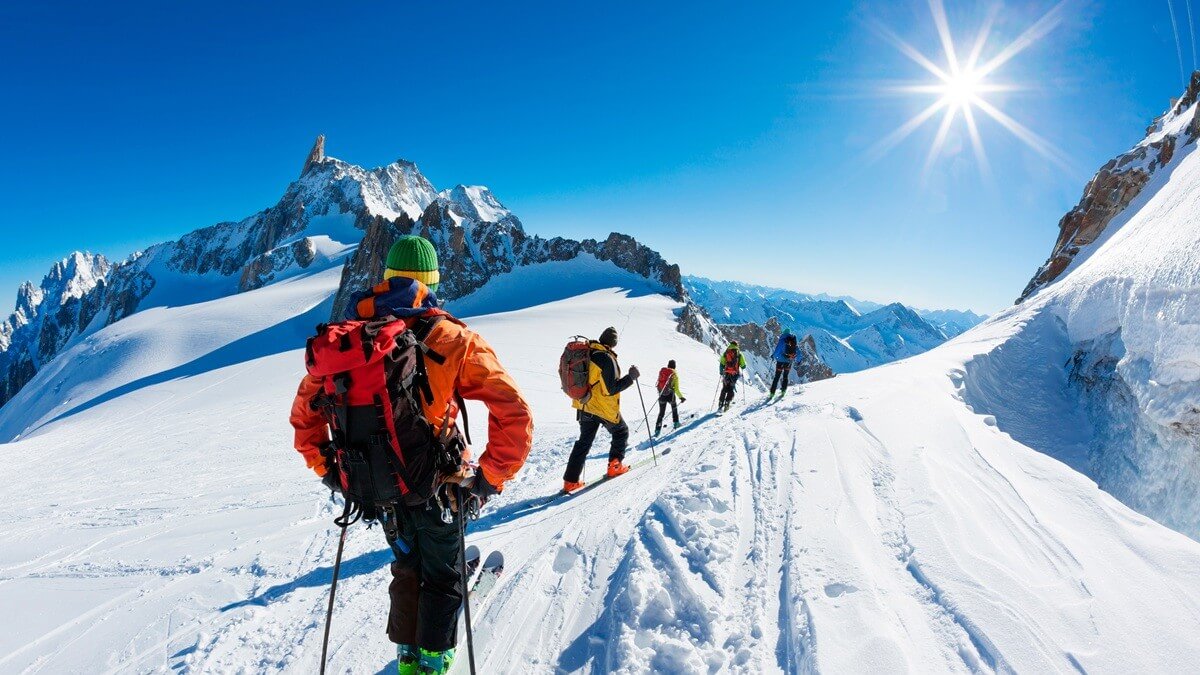
Whether you’re putting on skis for the first time, excited to cruise the blues or looking for something gnarlier, France is one of the best places in the world for it. From famous luxury destinations like Courchevel to family-friendly spots such as Les Gets, French ski resorts offer something for everyone.
This guide will help you decide where to go, how to get there, what to pack and how to manage your euros. It also covers important mountain rules and etiquette, as well as tips for saving on rentals and ski passes.
Looking for a multi-currency card to help you spend while there? Get the Wise card. It’s a simple way to spend up to 40+ currencies with fair exchange rates and low transparent fees*.
💳 Learn more about the Wise card
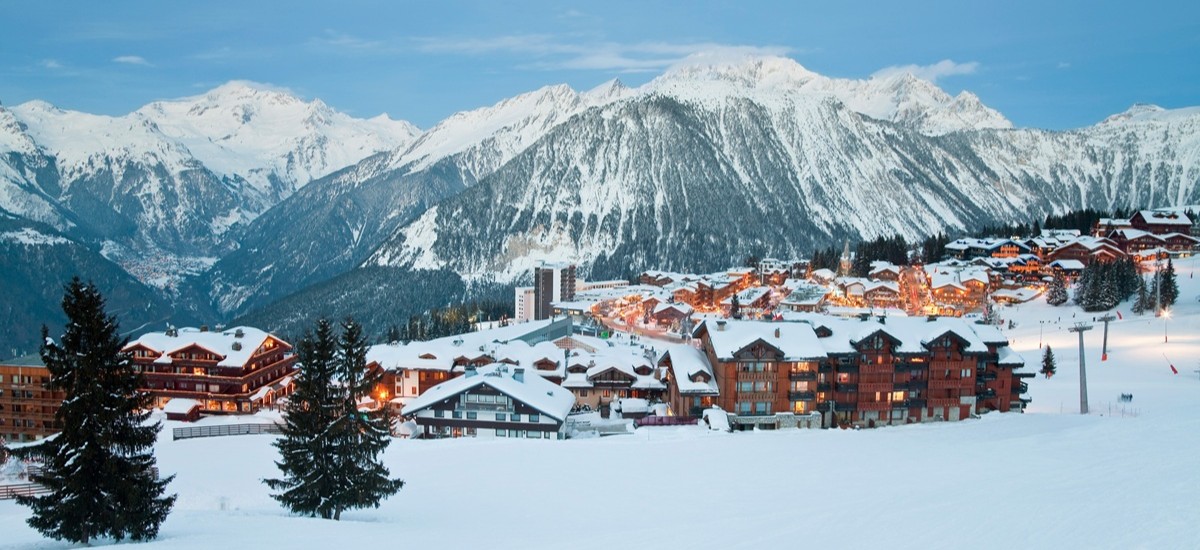
France’s ski resorts are known for world-class facilities, vast linked ski areas, and reliable snow throughout the Alps. Many are part of massive interconnected regions, so you can ski between villages without taking off your skis.
The French Alps stretch from Chamonix in the north to the southern resorts near Nice, with some of the most consistent snowfall in Europe. Whether you’re flying to Geneva or Lyon, or taking the train directly to the Alps, getting from the UK to France’s slopes is simple and well-connected.
Another big plus is the combination of excellent ski schools, great food, and a relaxed atmosphere. From Michelin-starred restaurants to laid-back mountain bars, there’s plenty of variety off the slopes too.
There’s no one-size-fits-all ski resort in France. Your ideal destination depends on your budget, experience level, and what kind of holiday you want. Below we’ve grouped some top choices by type.
For the budget-conscious skier, it’s also worth considering ski resorts in Italy, Bulgaria and Slovakia.
💡Tip: Look for the French Ministry of Tourism’s Famille Plus Montagne accreditation. This shows that a resort meets criteria for family-friendly slopes, childcare, activities and accommodation.5
Planning to go off-piste in France? It’s allowed, but you’ll be in avalanche terrain as soon as you leave the piste. Ideally, you should be an advanced skier with backcountry experience. It’s a good idea to hire a guide and take an avalanche safety kit, including a transceiver, probe and shovel.8

The main ski season runs from December to April, though some high-altitude resorts like Val Thorens open earlier and close later. January and February generally offer the best snow conditions, but March often brings longer, sunnier days and fewer crowds.
Prices vary widely depending on the time of year — expect higher rates during school holidays and Christmas. Booking early can give you better deals on accommodation and flights.
It’s common to fly from London or a regional airport to Geneva, Lyon, Grenoble, or Chambéry. Once you land, many resorts are within a 2–3 hour transfer. Booking flights early can mean major savings, and midweek flights are often cheaper and less crowded.
Worried about your carbon footprint? Swap out planes for trains. The Eurostar Snow service takes you from London to the French Alps with a quick change at Lille. This route is limited for now, but expected to expand for the 2025–26 season.9
It’s also possible to take the regular Eurostar to Paris or Lille before continuing to your resort via train, coach or car. Buy Eurostar tickets early to get them cheaper, you can book up to 120 days in advance, and flexible tickets allow free changes up to 7 days before departure.10
Consider driving to your French ski resort, crossing the Channel via the Eurotunnel or ferry. You can use your UK licence, but check your car insurance covers European travel.
Renting a car is an option too, though drivers usually need to be over 21 with at least a year on their licence. Make sure you understand the local driving rules and laws before driving in France as a Brit including winter tyre and chain requirements.
Catered chalets are great if you want convenience over flexibility. Meals are cooked for you and served at set times, and someone else takes care of the cleaning. Chalets often suit families and groups with a larger budget who want their own base for socialising and resting.
Hotels give you more variety, from budget options to five-star luxury. Services usually include daily housekeeping, a concierge and on-site restaurants.
Self-catered apartments give you the freedom to cook your own meals, set your own schedule and save money. They often suit families with kids and travellers who want more flexibility.
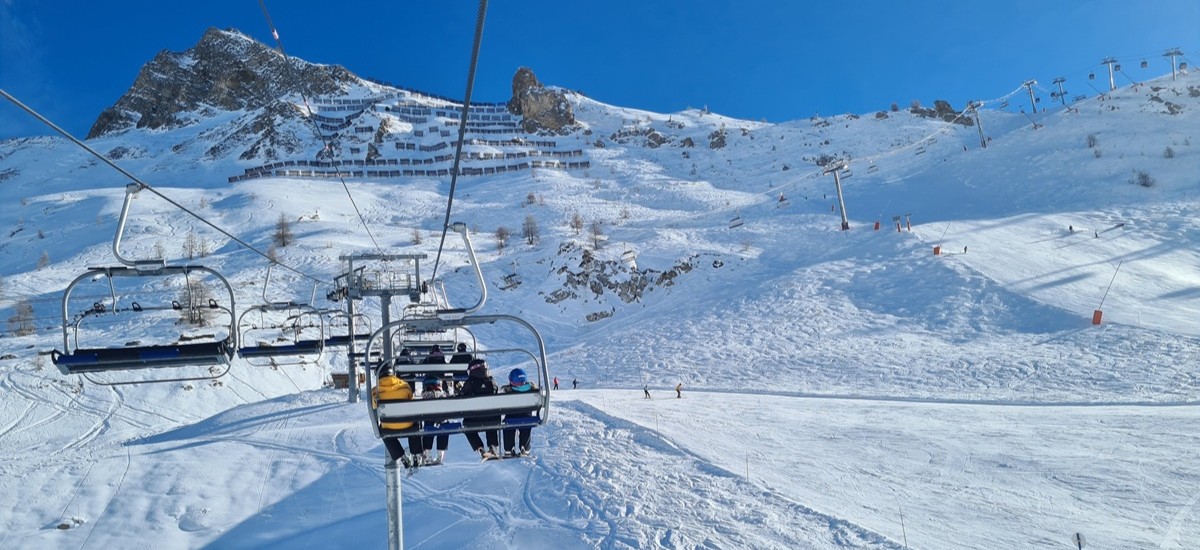
Standard travel insurance usually won’t cover a skiing or snowboarding holiday. Look for winter sports insurance that covers related injuries, mountain rescue and your equipment.
Some policies also cover piste closures, lost ski passes and unused rentals or lessons due to illness or injury.
As a tourist, you’ll usually have to pay a French hospital bill upfront and ask for a refund later using your GHIC card and travel insurance.
French resorts follow 10 rules of good conduct on the slopes:11
Other important rules include:12
Après-ski can mean anything from lively bars and DJs in Val Thorens to cosy wine bars in Les Gets. Expect live music, terrace drinks and plenty of cheese-based snacks like fondue or raclette.
If you’re not skiing or snowboarding every day, try snowshoeing, ice skating or tobogganing. Many resorts also offer spas, swimming pools and even dog sledding experiences.
Food is a highlight of any French ski trip. Many mountain restaurants serve local dishes like tartiflette, croziflette and fondue.
You can often find early bird and online deals by buying your resort pass in advance. Look out for family discounts and half-day passes, too.
Resorts often have their own rental shops conveniently close to the slopes, although it can be cheaper to go with independent providers. You’ll need to provide your height, weight, and ability level so staff can set up your equipment safely.
You’ll find English-speaking instructors in most French ski resorts. You can book private lessons for a personalised experience, or join group lessons if you want to cut the cost and meet new people.
Paying in euros? Save on currency conversion and transaction fees* with the Wise card. It’s a simple and secure way to spend up to 40+ currencies online, in-store and abroad.
Plus, you pay only a low fee* on withdrawals after the first £200 making it a great way to save whether you’re paying by cash or card in France.
Wise will not charge you for these withdrawals, but some additional charges may occur from independent ATM networks.
The average ski holiday in France costs just over €1,000 per person for a week.13 But prices vary widely depending on where you stay.
For example, a 7-night ski holiday package can cost around €3,000 per person in Courchevel, but less than €1,000 in Les Deux Alpes.14, 15
Organising the holiday yourself? On average, a 4-person self-catered studio can cost around €500 per week. Expect to pay around €200 per week to rent ski equipment for one adult, and around €300 for a 6-day adult pass. A 3-hour group ski lesson will typically set you back €150-200 per person.13
Remember to look for discounts, book early, travel midweek and make your own meals if you want to make big savings.
Whether you’re booking your hotel, paying for ski passes or buying a round of beers at aprés, do it with a Wise card. You’ll get fair exchange rates when paying in a local currency and you don’t have to worry about hidden costs or high transaction fees*.
Ready to get started? Open a Wise account in less than five minutes to manage money in up to 40+ currencies including Euros. Make your money go further wherever you’re headed this winter.
➡️ Learn more about the Wise account
Sources used in this article:
1. Ski Resort Info - Courchevel is largest ski area in the world
2. French Quarter - luxury ski resorts
3. We Ski - affordable resorts
4. Ski Solutions - après ski and nightlife
5. Top Snow Travel - family ski resorts
6. Ski Solutions - ski resort for beginners
7. See Chamonix - Chamonix advanced slopes and areas
8. See Chamonix - understanding avalanches
9. Protect Our Winters UK - Eurostar Snow packages
10. Eurostar - Eurostar pricing
11. Val d'Isère - skiing etiquette
12. Ski Racing - European rules on the slopes
13. Trip2France - average cost of skiing holiday
14. Ski Solutions - cost of Courcheval ski resort
15. Ski Solutions - cost of Les Deux Alpes ski resort
Sources last checked on: 16 October 2025
*Please see terms of use and product availability for your region or visit Wise fees and pricing for the most up to date pricing and fee information.
This publication is provided for general information purposes and does not constitute legal, tax or other professional advice from Wise Payments Limited or its subsidiaries and its affiliates, and it is not intended as a substitute for obtaining advice from a financial advisor or any other professional.
We make no representations, warranties or guarantees, whether expressed or implied, that the content in the publication is accurate, complete or up to date.

Heading to Paris or Marseilles? Wherever you're headed, read our guide to ATMs in France including locations, fees, and tips.
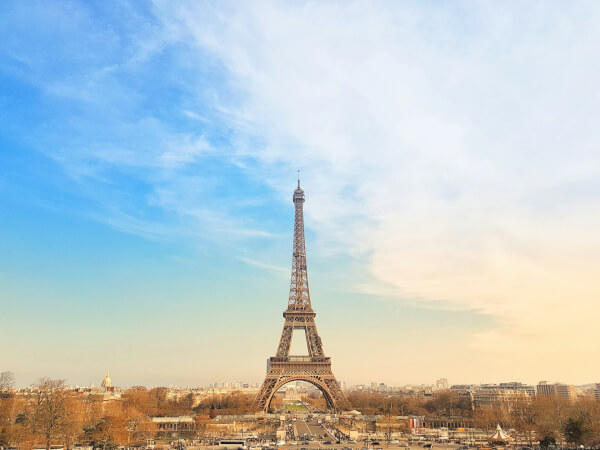
France is just a flight away. Learn how to shop tax-free at Louis Vuitton and many other stores, and obtain a VAT refund in cities like Paris as a tourist.

Planning a trip to France? Learn how to apply for a France Schengen visa from the UK, what documents you need and how to save on fees with Wise.

Read our essential guide to using Amex in France, including fees, exchange rates, tips and where American Express is accepted in France.
Check out our in-depth guide on everything you need to know about buying a prepaid France SIM card, including different providers, pricing, and features.

Should you pay with cash or card in France? A handy guide including cash etiquette, French ATMs and using your UK card.