How much does it cost to build a house in Poland?
How much does it cost to build a house in Poland as a UK expat? Find out in our essential guide, covering everything you need to know.


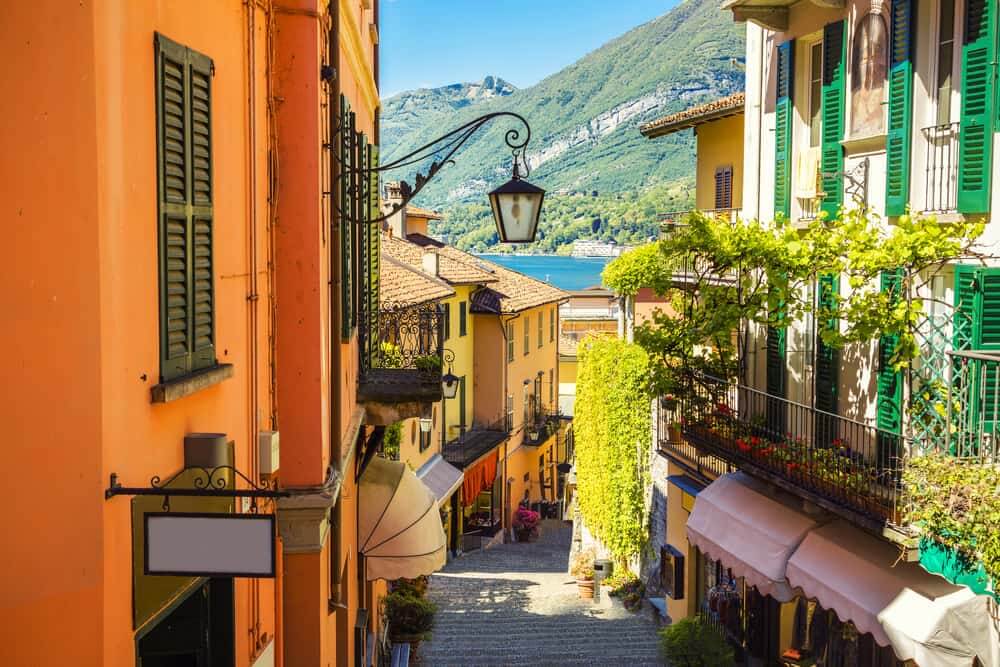
Considering moving to Italy from the UK? It’s easy to see why, as this country of wonderful food and wine, vibrant culture and romantic scenery has many alluring attractions.
Whether you’re thinking of buying property in Rome, Milan, Naples or anywhere in between, we’re here to help.
Read on for a comprehensive guide to buying property in Italy as a foreigner. We’ll look at how the property buying process works there, plus info on mortgages, fees, taxes and the latest Italian property prices.
And if you’re looking for ways to save money on currency exchange when buying property in Italy, check out the money services provider Wise.
You can send large transfers with Wise for low fees* and great exchange rates - making it ideal if you’re sending a secure international transfer.

Before you start your house hunt, it can be useful to know a little about how the process of buying property works in Italy.
Here’s a quick overview of the steps involved:
Before you do anything, it’s a good idea to get your finances sorted. This means setting a budget, getting a mortgage offer in principle from a lender and getting all your paperwork together.
You’ll also need an Italian tax number (codice fiscale). You can apply for this at an Italian consulate in the UK, or through a tax office in Italy. It may take a few weeks to come through, so it’s best to apply in advance.¹
Another important preparatory step is to open an Italian bank account, or at least make sure you have an international account in euros.
Now it’s time to start searching for your dream home, or for land if you’re taking the ambitious step of building your own home in Italy.
You can use online property portals and/or local estate agents to find properties. We’ll run through some tips later on how and where to start your search.
If you’ve found somewhere you like, arrange a viewing as soon as you can, and start researching the area in the meantime.
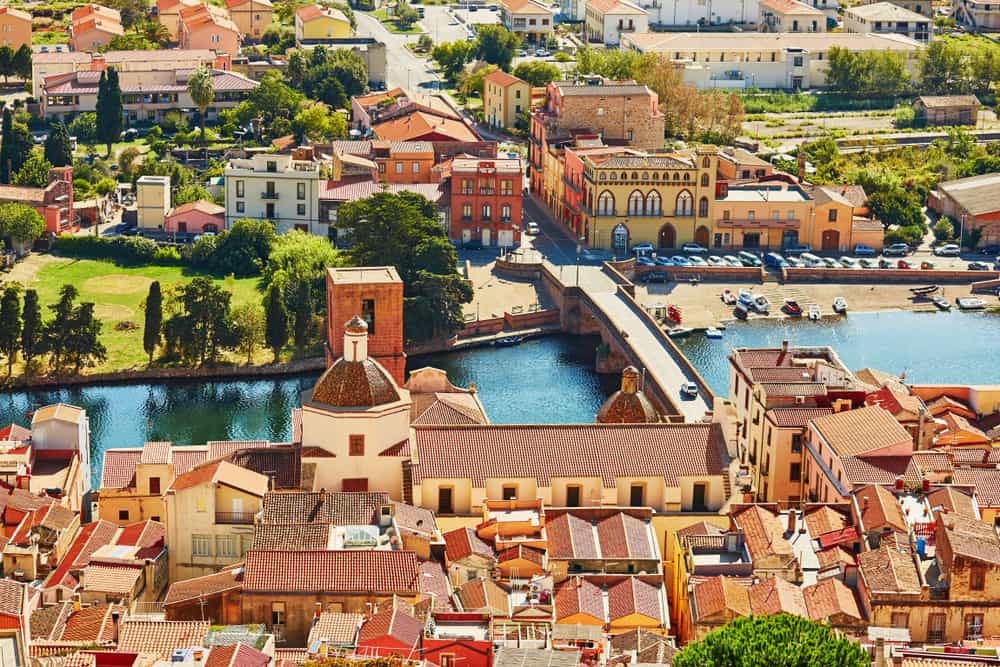
The next important step is to submit a competitive offer to the estate agent, or to the buyer directly. You can negotiate, just like in other countries.
While it’s not mandatory, it’s a good idea to find and appoint a property lawyer. They will check over and translate all documents and contracts, as well as carrying out due diligence on the transaction.
A personal recommendation is a good way to find a solicitor, but you can also find a list of English-speaking property solicitors on the UK Government website.
If your offer is accepted and you’re ready to proceed, you’ll usually sign and submit a letter of intent (also known as a letter of interest, or a purchase proposal contract).
It expresses your commitment to buying the property, and sets out the terms of negotiation between both parties. Your solicitor will be able to help you with this, including the very important task of including clauses as to whether the letter is legally binding or non-binding.¹
While your property lawyer gets on with due diligence tasks (such as carrying out searches and looking into the legal title of the property), you can arrange a building survey.
You’ll need to appoint a Geometra and/or Architetto, who will check the property for structural or other issues.
If the survey flags anything up, you may be able to go back to the seller to negotiate on price or arrange to have issues rectified before the sale completes.
In Italy as in many other European countries, a notary is a key player in property purchases. They are a public officer who ensures that the transaction, documents, contracts and processes are carried out in line with the law. They also handle the taxes and duties related to the sale.
As the buyer, you are responsible for appointing the notary and paying their fees. You can find one on the Consiglio Nazionale del Notariato (The National Council of Notaries) website here.
Now it’s time to sign and exchange contracts with the seller. This is a legally binding document which your solicitor should check through thoroughly before you sign it. It’ll set out the exact details of the transaction, including a proposed completion date.
At this stage, you’ll usually need to arrange a transfer for the deposit. Read our guide to the best UK banks for sending money overseas.
This could also be a good time to contact your mortgage provider to finalise the financing for your purchase.
This is the final crucial step, involving the following actions:
All of the main steps will need to be done in person at the notary’s office, and it’s crucial to have your solicitor there as it will usually be conducted in Italian (including documentation).
| 💡 Read more: How to transfer large amounts of money from the UK? |
|---|
Unless you have the cash upfront, you’re likely to need a mortgage to finance your Italian property purchase. UK banks aren’t likely to offer funds for overseas purchases, so you might need to try an Italian mortgage provider.
Many Italian banks do offer mortgages to foreign citizens and non-residents. However, you’re likely to get a lower loan-to-value (LTV) rate than Italian locals, so you may only be able to borrow around 50% to 60% of the property’s value.²
Banks in Italy also tend to have strict eligibility requirements, so you’ll need to make sure you meet them and have all the right paperwork before applying. This means contacting lenders in advance and doing some research.
It could be helpful to use a broker, who can help you find the right mortgage for you. Simply having someone on your side who speaks Italian and really understands the system can pay dividends. But bear in mind that this usually comes with a fee.
Alongside the agreed purchase price, you also need to budget for the property taxes and fees involved in your Italian property purchase.
Here are the essential costs you need to know about:¹
| Tax/fee name | Rate/fee |
|---|---|
| Registration tax | 2% for a main home 9% for non-residents New build properties exempt |
| Land registry taxes (including mortgage and cadastral taxes/duties) | 1% or €168 EUR |
| Notary fees | 1% to 2.5% |
| Legal fees | 1% to 2% |
| Real estate agency fees | Between 3% to 10%, shared between buyer and seller |
Over the last year, the Italian property market has seen an increase in house prices of 2.94% compared to 2023. The number of property transactions increased too, suggesting that demand among buyers is picking up.³
What this means as a buyer is that you may have to pay a little more for your Italian property. And you might face increasing competition from other buyers, so you’ll need to act fast and have an attractive offer ready if you want to secure your dream home.
But all things considered, the Italian property market is looking to be in reasonably good shape - so you should be able to invest with confidence if you find the right opportunity.
Yes, foreigners can buy property in Italy, but how it works depends where you come from.
EU nationals and citizens of countries that have a reciprocal agreement with Italy are free to buy homes in Italy without any special requirements of paperwork.
The good news for British buyers is that the UK has such a reciprocal agreement in place with Italy.⁴
So, all you’ll need is valid ID, an Italian tax number (codice fiscale) and an Italian bank account, along with the funds or finance to support your purchase.
There is no direct route to obtaining legal residency in Italy through the purchase of property. The country does have a ‘Golden Visa’ scheme, which allows foreign citizens to get residency through making an investment in the country. However, buying real estate is not one of the qualifying investments available.
This means that if you want to live in the country, you’ll need to follow a different route - such as getting a study, business or work visa, for example.
Now we come to the all important question - how much is property in Italy on average, and in different regions of the country? This will impact what you can afford to buy and on which areas you should focus your search.
According to cost of living database Numbeo, the cost of buying an apartment in Italy is between 33% and 47% cheaper per square meter than in the UK - depending whether you buy inside or outside a major city centre.⁵
Although of course, it depends on the type of home and the exact area you’re buying in.
To narrow it down a little further, here’s a guide to what you can expect to pay per square metre in some of Italy’s major cities:⁶
| City | Average apartment price per sq.m - city centre | Average apartment price per sq.m - outside city |
|---|---|---|
| Milan | 8,483 EUR | 4,472 EUR |
| Rome | 6,693 EUR | 3,333 EUR |
| Naples | 4,857 EUR | 2,614 EUR |
| Bologna | 4,393 EUR | 3,012 EUR |
| Turin | 3,657 EUR | 1,891 EUR |
| Bari | 3,160 EUR | 2,050 EUR |
Another thing to note when figuring out the price for property in Italy is that international transfers could get expensive, especially if the bank or provider adds a margin to the exchange rate to convert your pounds.
Consider checking out Wise to securely handle your large transfers with mid-market exchange rates and low, transparent fees*.
According to property site Idealista, some of the cheapest towns and cities for property in Italy in 2024 are:⁷
The two main routes to find property to buy in Italy are local real estate agencies and online property websites.
It could be a good idea to use an agent when looking for property in Italy, especially if you’re moving to Italy from the UK and are unfamiliar with the local property market.
Most buyers contract an agent or lawyer in their home country, who then works with the Italian real estate agent.
It’s not uncommon for real estate agents to work in dual languages, and depending on where you live you may find a local agent who speaks Italian.
However, there will usually be a fee to pay for the services of an agent, and you should make sure you’re clear on what you’ll get for your money before using one.
If you do decide to skip the estate agent or want to start by doing some window shopping, you can check out these popular Italian real estate websites:
One of the main things to watch out for when buying property in Italy, or in any foreign country, are scams.
To avoid scams and other pitfalls, make sure to get local advice and recommendations for a broker. You should also check for membership of a professional body when working with any property experts, brokers or agents.
Other important things to remember include:
Your dream home in Italy will be the one that closest fits your search criteria. The most important factors will be location, the type of home and of course, how much you can afford to spend.
If you’re not already living there, it’s worth making a trip to the specific town or city in Italy you’re interested in. You’ll want to check out the local area and view properties, making sure to pay attention to local transport links and amenities.
It’s a good idea to do as much research as possible before committing to purchase a property.
A key step is to assess the condition of the property, by hiring a Geometra or Architetto to carry out a building survey or inspection. This will flag up any major issues and give you a better idea of what you’re buying.
Before you can get the keys to your new home, you’ll have a few key tasks to run through.
These include taking out insurance, setting up your utilities and carrying out any energy efficiency renovations.
It’s strongly recommended to take out a buildings insurance policy starting from your completion date. In fact, you might find it's a mandatory condition of your mortgage offer.
If you know when your completion date will be, it makes sense to get some essentials set up in advance of moving in.
A prime example is utilities, such as heating, power and water. Get these sorted as early as you can, and the moving process should be a little smoother.
If you’ve bought an older Italian property, you might want to make some energy efficiency improvements to it. For example, rewiring the electrics or upgrading the air conditioning or heating system.
And that’s about it - our helpful, comprehensive guide to buying property in Italy for foreigners.
We’ve covered all the important stuff, including property prices, fees and taxes, mortgages and how to start your search. After reading this, you should have a better idea of how the buying process works in Italy, and be ready to start house hunting.
And, if you want to save money while buying your new property in Italy, make sure to use the Wise account to send your international transfer. It’s not a bank account and offers customers an alternative option to a conventional bank account, but has similar features.
Here are the main benefits for using Wise: |
|---|
|
Sources used:
Sources last checked on date: 05-Dec-2024
*Please see terms of use and product availability for your region or visit Wise fees and pricing for the most up to date pricing and fee information.
This publication is provided for general information purposes and does not constitute legal, tax or other professional advice from Wise Payments Limited or its subsidiaries and its affiliates, and it is not intended as a substitute for obtaining advice from a financial advisor or any other professional.
We make no representations, warranties or guarantees, whether expressed or implied, that the content in the publication is accurate, complete or up to date.

How much does it cost to build a house in Poland as a UK expat? Find out in our essential guide, covering everything you need to know.
How much does it cost to build a house in Greece as a UK expat? Find out in our essential guide, covering everything you need to know.

Read our comprehensive guide to buying a house abroad, including how to arrange finance for overseas property purchases.

Read our roundup of 8 of the best places to buy land in the world as a Brit, looking at average land prices, buyer’s costs and more.

Read our guide to selling property in India and bringing money to the UK, covering taxes, transfer methods and other essential information.

Read our essential guide to investing in US farmland from the UK, including rules on foreign land ownership, average prices per acre, and much more.