
Revolut business review: Plans, fees, and Australian alternatives
Read here for a review on Revolut Business in Australia. Compare multi-currency features, subscription plans, out-of-hours transfer fees, and alternatives.


Small businesses play a big role in our economy. Of the 2.6 million businesses operating nationwide, 97% have fewer than 20 employees, meeting the Australian Bureau of Statistics (ABS) definition of a small business.1
From following a passion to becoming your own boss and achieving financial freedom, Australians go into business for various reasons. The first step is deciding what you’ll do.
In this post, we’re covering the best businesses to start in Australia and the key things to consider.
| Table of Contents |
|---|


Starting a small Australian business can prove profitable if you’ve got a good idea and the business acumen to pull it off.
But don’t think it will be easy. According to the Bank of Queensland, 60% of start-up businesses fail within the first five years.2 Common downfalls include poor market research, financial mismanagement, mediocre marketing, insufficient funding, and the failure to adapt.
For the best chance of success, would-be entrepreneurs must assess the key considerations when starting a business in Australia.
Some of the things entrepreneurs might evaluate include:
From sole-trading tradesmen to e-commerce entrepreneurs, we’ve curated a list of viable business ideas for Australians in 2026.
Aussies love looking after their gardens. But few have the time or energy, especially among older demographics with mobility issues. Gardening is a great industry for sole traders and small business owners who enjoy working outside and aren’t afraid of a little ‘hard yakka.’

If you’re good with kids and have childcare qualifications, you could start a Family Day Care (FDC) business. Most operate from the educator's home and cater to small groups of children aged 1-12. Start-up costs are relatively low, but you must be an approved provider under National Law, hold relevant state approvals, and operate for 48 weeks per year.3
Entrepreneurial Aussies with a passion for fitness can make a decent living teaching others how to stay motivated and sculpt their physique. Some personal trainers work one-on-one with clients at public parks or private residences, while others partner with a local gym, or both.
The Australian petcare industry is worth a whopping $33 billion.4 A large part of our collective pet pampering goes towards grooming four-legged friends. Ideal for animal lovers, dog groomers can get started with modest upfront costs by working from home or a customised mobile grooming van.
Talented number crunchers could specialise in bookkeeping services. As a flexible, freelancing role, bookkeepers can choose their own hours and work remotely. Day-to-day tasks range from reconciling payments, ensuring compliance, and tracking cash flow. BAS-registered (Business Activity Statement) agents must meet experience and qualification requirements, including a Certificate IV in Financial Services (Bookkeeping or Accounting).5

Travel enthusiasts with strong sales and people skills could consider solo consulting or starting their own agency. Most independent travel agents first cut their teeth at a big-name nationwide franchise – Flight Centre, Hello Travel, etc. – before branching out on their own.
Know a thing or two about marketing, strategy, or management? You could start a business coaching other businesses. Coaches educate, support, and motivate entrepreneurs, keeping them accountable for core KPIs and teaching them key leadership skills.
Skilled hairdressers, beauticians, and nail technicians could start providing beauty services in their local area. Options include leasing commercial spaces, retrofitting a workspace at home, or providing mobile sessions at your clients’ residences. The beauty industry is worth big money in Australia, so there’s plenty of demand nationwide.
Digital marketing experts can work as freelancers or start their own small agency. Relevant skills range from search engine optimisation (SEO), social media marketing, pay-per-click advertising, and content marketing strategy. Attracting clients without a proven track record can be challenging. Many marketers learn the ropes at an agency first.
Modern digital marketing requires content from a broad range of creative disciplines, including graphic designers, copywriters, video editors, photographers, and user-generated content (UGC) creators. Creatives can sell services to Australian businesses directly, or via marketing agencies and freelancing platforms like Upwork or Fiverr.

If you enjoy working with people and have a valuable skill set to share, you could start tutoring online or in your local area. Tutors can teach a broad range of subjects, from math and music to science and languages. In wealthier inner-city suburbs, the parents of private school students will often pay an attractive hourly rate for quality in-person tuition. Tutors teaching students under 18 generally need a Working with Children Check (WWCC).⁶
The classic business idea for blue-collar workers is to become a sole-trading tradie. After establishing a client base, a wide range of disciplines – plumbers, electricians, mobile mechanics, painters, carpenters, handymen, concreters, etc. – can potentially earn much more than a salaried role. Many trades require certifications and/or tickets. Some successful, business-savvy tradies expand by switching to a company structure and hiring employees.
If you’ve got a background in a profitable field, you could create a small consulting business with minimal start-up costs. Specialists in fields such as marketing, IT, business, finance, HR, and design can earn good money by sharing their expertise with other business owners. Regulated industries require certifications, registrations, or memberships.
Got a knack for identifying gaps in the market? You could start an e-commerce store. Australian entrepreneurs sometimes find success selling low-cost offshore products to local consumers at hefty markups. You’ll want strong organisational skills and an intimate knowledge of digital marketing to pull this one off.
Many massage therapists trade independently from home, turning a disused room into a relaxing clinic complete with candles, wall hangings, and slow soothing tunes. Demand is high throughout Australia, but so is competition – you’ll have to hustle hard to build a client base. Dedicated shopfronts attract walk-through traffic but incur higher overheads.
Like many repair services, mending and sewing are becoming less financially viable in Australia. But skilled seamstresses working from home with no rental expenses can still make a living by dutifully mending footwear and clothes. Like many small in-person businesses, the hard part is getting the word out and building a client base.
Many small Australian start-ups require administrative support but can’t afford to employ someone in-house. Virtual assistants fill the gap by helping clients arrange meetings, book travel, review finances, liaise with clients, and manage social media accounts, often on a freelance basis. Just be aware you’ll be competing with workers from lower-wage English-speaking countries, such as the Philippines.

Got skills in horticulture and an eye for creative design? You could merge the two to begin a florist business, growing your own flowers at home to arrange into colourful bouquets and floral displays. Many budding florists start trading as a small side hustle from home before expanding with their first retail store.
You don’t have to invest in a fancy restaurant fit-out to enter the hospitality industry. Many successful restaurateurs started with a small food truck, building a strong local following before investing in a brick-and-mortar shopfront. While the start-up cost is lower, you’ll still need to complete paperwork, such as street trading licenses, vehicle health and safety inspections, and council registrations.

Aussies with exceptional organisational and people skills could start an event-planning business. Most start small with intimate weddings and corporate events, before building a network and branching out into bigger shindigs. Local and state governments often seek help managing community events.
Launching a new venture in Australia means keeping a close eye on your cash flow right from day one, especially if your business involves sourcing products from offshore, hiring remote virtual assistants, or serving overseas clients. Traditional solutions often eat into early profit margins with high international transaction fees and marked-up exchange rates.
A Wise Business account helps solve these cross-border financial challenges by letting you pay international invoices and receive payments in major foreign currencies like a local. Currency conversion occurs with a low transparent fee, at the mid-market exchange rate with no hidden markups.
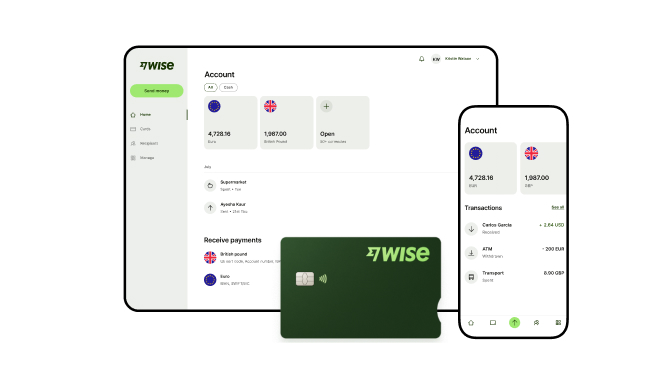
A Wise Business account allows users to send, receive, and hold in multiple currencies. Experience hassle-free global transactions by transacting like a local business. Here's what you get with a Wise Business account:
Sign up for the Wise Business account! 🚀
This general advice does not take into account your objectives, financial circumstances or needs and you should consider if it is appropriate for you.
**Capital at risk, growth not guaranteed. Interest is the name of a custody and nominee service provided by Wise Australia Investments Pty Ltd in partnership with Franklin Templeton.
Sources:
*Please see terms of use and product availability for your region or visit Wise fees and pricing for the most up to date pricing and fee information.
This publication is provided for general information purposes and does not constitute legal, tax or other professional advice from Wise Payments Limited or its subsidiaries and its affiliates, and it is not intended as a substitute for obtaining advice from a financial advisor or any other professional.
We make no representations, warranties or guarantees, whether expressed or implied, that the content in the publication is accurate, complete or up to date.

Read here for a review on Revolut Business in Australia. Compare multi-currency features, subscription plans, out-of-hours transfer fees, and alternatives.

Compare the best payment gateways for WooCommerce in Australia, including features, fees, payment methods, and how to choose the right integration.

Learn how the Stripe payment gateway works in Australia, including features, fees, integration options, and tips for accepting online payments.

Need a fast, frictionless, and cost-effective payment solution for your online store? We cover the best payment gateways for ecommerce.

Compare OFX vs Airwallex for Australian businesses. Explore their features, multi-currency accounts, expense management, integrations, and fees.

Learn how to set up online payments for a small business in Australia, including payment methods, providers, costs, setup steps, and common challenges.


