Chase vs. Wells Fargo: which bank is better for you?
What bank is better, Chase or Wells Fargo? Compare checking, savings, and international fees to find the best option for everyday banking and expats.



The Philippines can be attractive for US remote workers because of its English-speaking business environment, time zone overlap, and strong service economy. But working from the Philippines is still an immigration, tax, payroll, and payment-planning decision.
US remote workers need to assess whether the stay is legal, your employer or clients allow the work location, how taxes are handled, and how you will manage income and expenses across currencies.
This guide explains the main points to check before working remotely from the Philippines.
| Wise Business can help you send and receive global payments with ease. |
|---|
| Open a Wise Business account online |
US citizens should check current Philippines entry, exit, and visa requirements before travel. The US State Department says tourist visas are not required for tourist travel under 30 days, and that travelers should use the Philippine Embassy and Bureau of Immigration for current visa and exit-clearance information.1
That short visitor rule should not be treated as remote-work permission for every situation. A tourist stay, a long-term remote-work arrangement, and local employment are different compliance questions.
Before traveling, confirm:
| Question | Why it matters |
|---|---|
| Length of stay | Determines whether short visitor rules are enough |
| Work location approval | Employers may restrict work from another country |
| Client location | Local Philippine clients can create different issues |
| Tax residence | Long stays may affect tax and reporting |
| Insurance | Healthcare and evacuation coverage can matter |
| Payment setup | Income and expenses may involve USD and PHP |
The Philippines has moved toward a specific framework for digital nomads, but remote workers should check current official implementation details before relying on it. Visa categories, application routes, income requirements, health insurance rules, and permitted activities can change.
If you plan to stay longer than a short visit, check with the Philippine Bureau of Immigration, the Philippine Embassy or consulate, and a qualified adviser. Do not rely on old travel blogs or social media posts, especially if your employer, clients, or tax position are sensitive.
US citizens and resident aliens generally must report worldwide income to the IRS, including income earned while living abroad.2 That means working from the Philippines does not automatically remove US filing obligations.
Employees should also get written employer approval. An overseas work location can affect payroll, cybersecurity, workers' compensation, benefits, data handling, export-control rules, and customer contracts. Employers may prohibit or limit work from countries where they are not set up to manage these risks.
Freelancers and business owners should check:
Before working remotely from the Philippines, prepare:
The State Department advises US travelers in the Philippines to exercise increased caution due to some areas at higher risk of crime.1 Location choice should therefore be part of the planning process, not an afterthought.

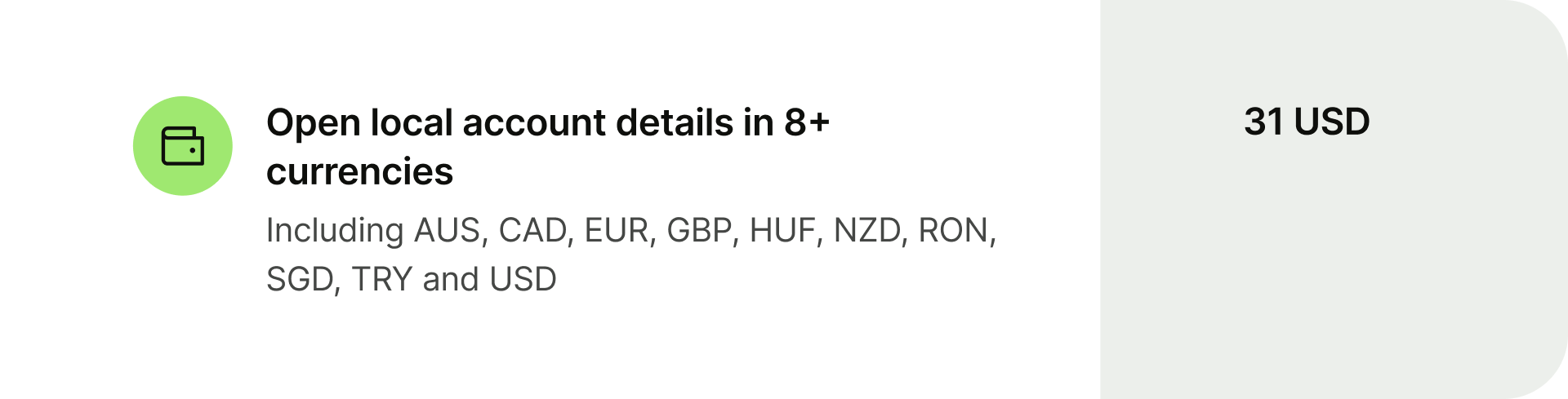
Remote workers may earn in USD but spend in Philippine pesos. Business owners may also pay contractors, software vendors, suppliers, and tax obligations in different currencies.
Plan for:
Wise Business can help remote business owners manage international payments, hold multiple currencies, and keep cross-border transaction records easier to reconcile. That can be useful if you invoice clients outside the Philippines while paying expenses in more than one currency.
Wise is not a bank, but a Money Services Business (MSB) provider and a smart alternative to banks. The Wise Business account is designed with international business in mind, and makes it easy to send, hold, and manage business funds in multiple currencies. You can get major currency account details for a one-off fee to receive overseas payments like a local. You can also send money to 140+ countries.
Open a Wise Business account online
⭐️ Trustpilot: Excellent 4.3 out of 5 stars
| Some key benefits of Wise Business include: |
|---|
|
Working remotely in the Philippines can be practical, but the setup needs to be deliberate. Confirm your immigration route, employer or client approval, US tax obligations, local tax exposure, insurance, and payment workflow before committing to a long stay.
The safest plan treats remote work abroad as an operating decision: documented, compliant, and easy to reconcile.
Possibly, but the answer depends on length of stay, visa status, employer approval, client location, and tax position. Check current official rules before traveling.
Generally, yes. The IRS says US citizens and resident aliens generally must report worldwide income, including income earned abroad.2
Not always. Tourist entry rules and remote-work permission are different questions. Long stays, local clients, or employer-directed work may require additional advice.
| Editor & Business Expert: | ||
|---|---|---|
 | Panna is an expert in US business finance, covering topics from invoicing to international expansion. | You can read more useful business articles on her author profile. |
Sources
*Please see terms of use and product availability for your region or visit Wise fees and pricing for the most up to date pricing and fee information.
This publication is provided for general information purposes and does not constitute legal, tax or other professional advice from Wise Payments Limited or its subsidiaries and its affiliates, and it is not intended as a substitute for obtaining advice from a financial advisor or any other professional.
We make no representations, warranties or guarantees, whether expressed or implied, that the content in the publication is accurate, complete or up to date.

What bank is better, Chase or Wells Fargo? Compare checking, savings, and international fees to find the best option for everyday banking and expats.

Learn how to file Form 5472 for your foreign-owned LLC. Avoid IRS penalties with this step-by-step compliance guide.

Find the best registered agent for your foreign LLC. Compare top services by price, reliability, and compliance support.

A foreign-owned single-member LLC lets non-US residents run a US business. Learn setup steps, tax rules, and compliance tips.

Running a foreign-owned multi-member LLC in the US? Learn ownership structures, tax obligations, and filing requirements.

Is the Amex Business Platinum worth it? Review rewards, perks, lounge access, and fees to decide if it fits your business.