Chase vs. Wells Fargo: which bank is better for you?
What bank is better, Chase or Wells Fargo? Compare checking, savings, and international fees to find the best option for everyday banking and expats.



Import export businesses connect buyers and sellers across borders. Some import products into the US for resale. Others export US-made products to international buyers. Some never own inventory at all and instead earn revenue as sourcing agents, trade consultants, customs support providers, or B2B matchmakers.
The opportunity is real, but so is the compliance work. Importers and exporters must understand product classification, duties, shipping, and payment risk.
This guide covers practical import export business ideas for US entrepreneurs, plus the key steps to choose a niche and start safely.

Specialty foods can work well when there is strong demand from restaurants, grocers, immigrant communities, online shoppers, or premium gift buyers. Examples include sauces, spices, teas, coffee, snacks, olive oil, specialty grains, shelf-stable desserts, and regional ingredients.
Why it can work:
What to check:
The export side can be attractive for US brands that already sell domestically and want to reach overseas buyers. SBA notes that nearly 96 percent of consumers live outside the US. It also says exporting can help businesses increase profits, reduce market dependence, and stabilize seasonal sales.1
Examples include:
Exporters should research target-country import rules, labeling, distributor requirements, and payment terms before shipping.
Many US businesses want packaging that is recyclable, compostable, reusable, lighter, or more brandable. Import opportunities may include mailers, molded fiber packaging, glass containers, paper tubes, compostable bags, refill pouches, and specialty retail packaging.
Why it can work:
What to check:
Beauty products can generate strong margins, especially when the product has a clear niche, such as skincare, hair care, grooming, fragrance, tools, or salon supplies.
Why it can work:
What to check:
Avoid making medical or therapeutic claims unless you understand the regulatory consequences.10
US auto parts, performance parts, restoration components, and specialty accessories can appeal to international buyers, especially for American vehicle models.
Examples include:
What to check:
This can work well as a catalog or B2B distribution business if you have strong product knowledge.
Used and new US equipment may be attractive to buyers in developing markets, infrastructure projects, farms, mines, workshops, and construction businesses.
Examples include:
What to check:
This business can have high ticket values, but each shipment needs careful documentation.
Pet products are a strong consumer niche because owners buy repeatedly and often care about design, durability, and safety.
Ideas include:
What to check:
Non-food pet accessories are usually simpler than pet foods or supplements, though product safety still matters.
Apparel imports are common, but competition is high. The best opportunities are usually niche-specific rather than generic.
Examples include:
What to check:
Apparel can work, but new importers should start with a narrow line and validate demand before placing large orders.
Home goods can work well when products have a clear style, origin story, or functional advantage.
Examples include:
What to check:
Bulky products can lose margin quickly if freight and returns are not managed carefully.
You do not always need to import goods yourself. A sourcing agency helps US businesses find overseas manufacturers, compare quotes, verify suppliers, coordinate samples, inspect production, and manage communication.
Revenue models include:
This idea works best if you know a region, language, product category, or manufacturing process well.
Many small businesses want to export but do not understand documentation. A services business can help with export readiness, buyer research, document checklists, Schedule B research coordination, AES filing support through authorized channels, and internal compliance procedures.
| ⚠️ Important: Legal, customs brokerage, and export filing work can require specific authorization or licensing, depending on the activity. For example, Census says authorized agents filing Electronic Export Information must have proper authorization and be physically located in the United States.7 Do not offer regulated services beyond your qualifications. |
|---|
This business helps foreign brands enter the US market or US brands find foreign distributors.
Services may include:
This can be a good import export business idea if you have sales, industry, or language expertise but do not want inventory risk.

Before starting any import export business, understand these basics.
CBP says an importer number is commonly the IRS EIN for US businesses or the Social Security number for sole proprietors.4 The importer of record is responsible for customs clearance, duties, and compliance.
CBP says importers are not legally required to hire a customs broker to clear goods. Many still do because brokers can help with paperwork, bonds, and CBP processes.5 Even when using a broker, the importer remains responsible for knowing and meeting requirements.
Imported products need tariff classification. Exported products often require Schedule B or HTS classification. Classification affects duties, reporting, and controls.
Trade.gov says Electronic Export Information filing through AES is generally required when the value of the commodity under each Schedule B number is over $2,500, or when an export license is required.6 Census says AES filers must be certified or use authorized channels.
BIS explains that the Export Administration Regulations help determine whether items and activities are subject to export control requirements.9 Some products, technologies, destinations, end users, or uses may require a license.
CBP notes that imports may also be regulated by agencies such as FDA, EPA, DOT, CPSC, FTC, or USDA.2 Product category matters.
Use this filter before choosing a niche:
For beginners, the best import export business ideas are usually narrow, lightweight, nonperishable, low-compliance, and targeted at a clear audience.
When starting an import export business, foreign exchange losses can cut into your profit margins. Each transaction that adds cross-border fees or a markup to the exchange rate can chip away at your profits. This is where Wise Business can help.
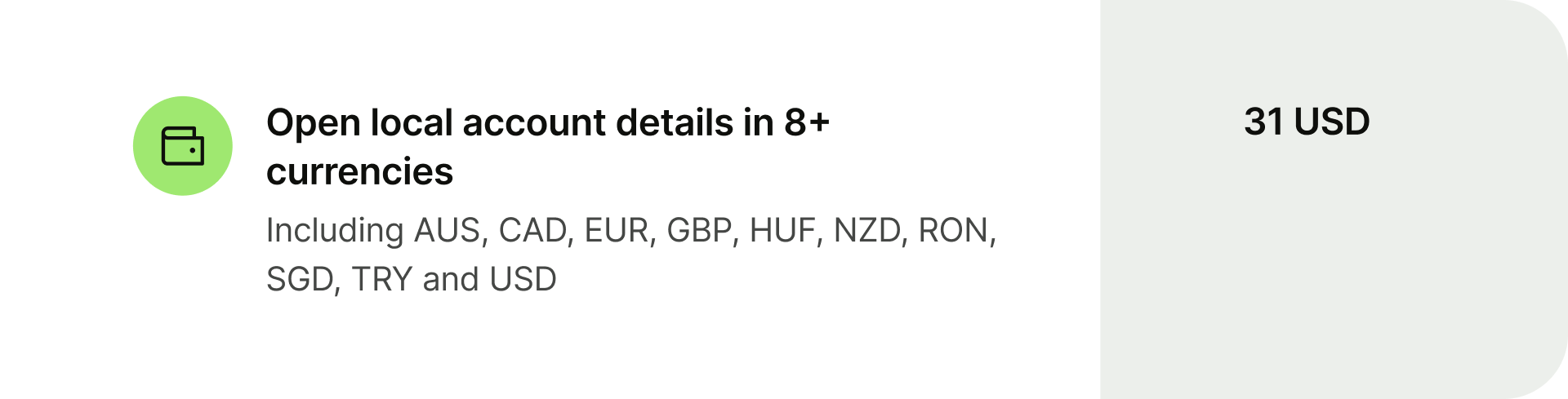
Wise is not a bank, but a Money Services Business (MSB) provider and a smart alternative to banks. The Wise Business account is designed with international business in mind, and makes it easy to send, hold, and manage business funds in multiple currencies. You can get major currency account details for a one-off fee to receive overseas payments like a local. You can also send money to 140+ countries.
Open a Wise Business account online
⭐️ Trustpilot: Excellent 4.3 out of 5 stars
| Some key benefits of Wise Business include: |
|---|
|
The best import export business depends on your experience, market access, and compliance knowledge. For beginners, niche consumer products, B2B sourcing services, and lightweight goods are often easier than regulated products, perishables, or heavy machinery.
CBP says an importer or exporter acting on their own account is not required to be licensed solely to conduct transactions with CBP.3 However, specific products may need permits or approvals from other agencies, and customs brokers must be licensed if conducting customs business for others.
Startup cost depends on the model. A sourcing or consulting business can start with low overhead. An inventory-based import business needs money for samples, product orders, freight, duties, storage, insurance, marketing, and returns.
Common documents include commercial invoice, packing list, bill of lading or airway bill, customs entry, certificates of origin, product-specific permits, and export filing records when required. Requirements vary by product and country.
| Editor & Business Expert: | ||
|---|---|---|
 | Panna is an expert in US business finance, covering topics from invoicing to international expansion. | You can read more useful business articles on her author profile. |
Sources
*Please see terms of use and product availability for your region or visit Wise fees and pricing for the most up to date pricing and fee information.
This publication is provided for general information purposes and does not constitute legal, tax or other professional advice from Wise Payments Limited or its subsidiaries and its affiliates, and it is not intended as a substitute for obtaining advice from a financial advisor or any other professional.
We make no representations, warranties or guarantees, whether expressed or implied, that the content in the publication is accurate, complete or up to date.

What bank is better, Chase or Wells Fargo? Compare checking, savings, and international fees to find the best option for everyday banking and expats.

Learn how to file Form 5472 for your foreign-owned LLC. Avoid IRS penalties with this step-by-step compliance guide.

Find the best registered agent for your foreign LLC. Compare top services by price, reliability, and compliance support.

A foreign-owned single-member LLC lets non-US residents run a US business. Learn setup steps, tax rules, and compliance tips.

Running a foreign-owned multi-member LLC in the US? Learn ownership structures, tax obligations, and filing requirements.

Is the Amex Business Platinum worth it? Review rewards, perks, lounge access, and fees to decide if it fits your business.