Xero pricing Australia: Plans, costs & features guide
Explore Xero pricing in Australia. We break down all 4 plans, hidden costs, and features like payroll & multi-currency. Find more.


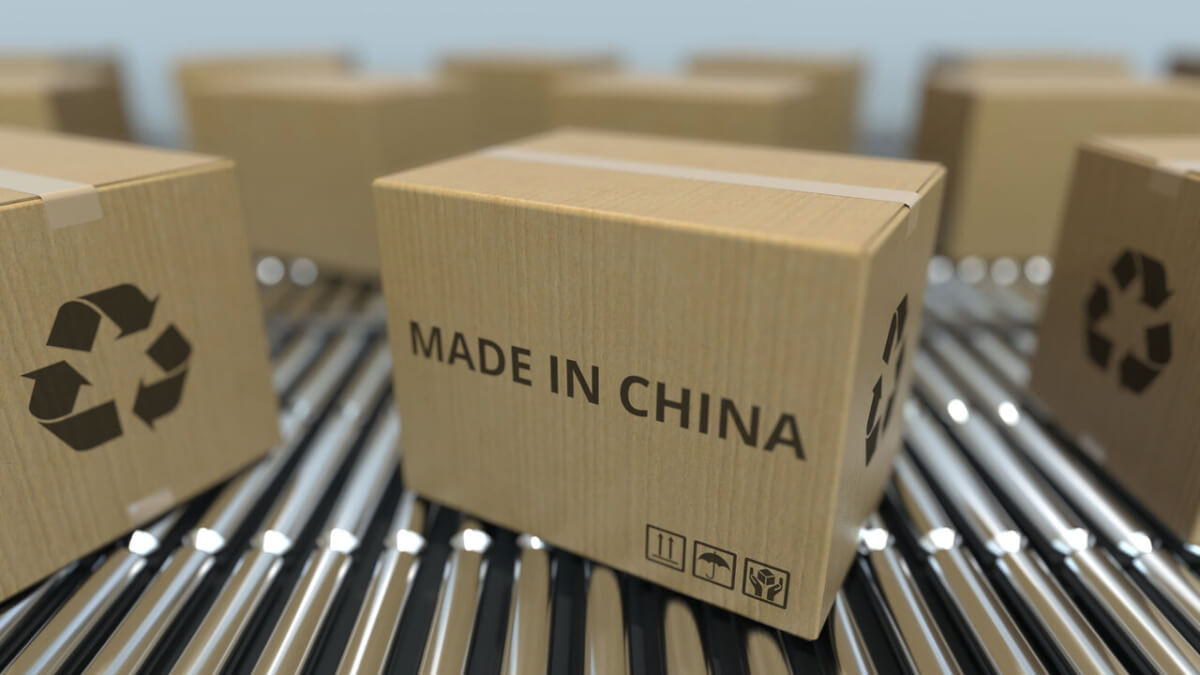
Thinking of setting up a global supply chain for your business? Sourcing from China can be cheaper and great for scaling quickly, but finding a reputable supplier isn’t easy. You’ll have to negotiate prices and consider things like shipments and import duties.
In this blog, we’ll cover everything you need to know about buying direct from China suppliers. There are tips on how to find reputable vendors, what you’ll need to do to get goods into Australia, and how you can pay overseas suppliers/vendors.
| Table of contents |
|---|

Buying direct from China means working with manufacturers or wholesalers in China and purchasing products straight from them, rather than relying on a ‘middleman’ like a local distributor or agent. When done right, direct sourcing gives access to lots of products at low factory prices, which can improve margins, especially for startups.
However, there is more to sort out and manage. You can’t just place an order with a local distributor and then sit back and wait to receive it several days later.

If you’re based in Australia, you’ll usually have to:
Many vendors will also have minimum order quantities (MOQs) and other requirements, like upfront deposits.
Now, let’s look at the pros and cons of buying direct from China. As we’ve already covered, you can get goods for less money, but there are trade-offs or challenges to consider when setting up relationships with third parties overseas.
The easiest way to find a reliable Chinese supplier is through online marketplaces, but you can also visit trade shows and use sourcing agents for a more tailored approach.

Here are a few of the best channels to consider.
Alibaba is the world’s largest B2B marketplace — it has millions of suppliers across pretty much every product category you can think of. There’s an English language interface, too.
To start finding trustworthy vendors, you can search for a product and then filter wholesalers by reviews, lead time, manufacturing certifications, and more. It’s then a case of negotiating with them directly and making an order. You’ll also have some protection through the Alibaba Trade Assurance program².
If you’re just starting out as a dropshipper or want to buy things in lower quantities, you might value the smaller-scale offerings at AliExpress. There are no minimum order requirements, but you still get access to a vast catalogue of ready-to-ship items in lots of categories. Prices are slightly higher. However, it is more flexible, and the logistics are easier to manage.
| 👆Click here to read on comparison between Alibaba vs Aliexpress |
|---|
Made-in-China’s tagline, ‘Connecting Buyers with Chinese Suppliers,’ captures its purpose succinctly. It offers quality assurance and manufacturer verification, which is a good start when prioritising reliability and long-term relationships over ultra-cheap prices³. There's also a ton of product categories, from manufacturing machinery to arts and crafts.
If you are willing to travel overseas, you can visit big trade shows and events held in China, like the Hong Kong Trade Development Council Fair and the Canton Fair. These are very useful for meeting suppliers in person, which can help forge stronger, lasting relationships.
Sourcing agents are individuals or companies in China that smooth the process of finding and negotiating with trustworthy suppliers by vetting them and managing logistics on your behalf. However, they are in effect intermediaries, which negates some of the upsides of going direct. There are additional costs, too.
| 👆Check out our handy guide on small business wholesale suppliers in Australia |
|---|
There’s more to manage when sourcing from China compared to a wholesaler in Australia, but what’s actually involved in getting products from
Start by defining the products you want to source (specs, pricing, quantities, etc.) and using platforms like Alibaba to find potential suppliers. Ideally, you want to shortlist three to five vendors, looking closely at things like their trading history, communication quality, and customer service.
To make sure the supplier is reputable and everything is above board, request copies of business licences and certifications (like ISO and CE). Follow this up with online research — check reviews and feedback, and search the company name with terms like ‘scam’ or ‘complaint’ to spot red flags.
If everything looks okay, contact the vendor to request some samples to check the quality of the products and packaging before committing to a large order.
This is a big one that you might be unfamiliar with if you haven’t worked with large vendors in Australia. During negotiations, you should discuss any MOQs, pricing for each unit, lead times for goods, and what sort of payment terms will work for both parties. Most suppliers should be flexible, especially if they see potential for repeat business.
Once you’re happy with everything, you can go ahead and sign a purchase agreement. The terms should include:
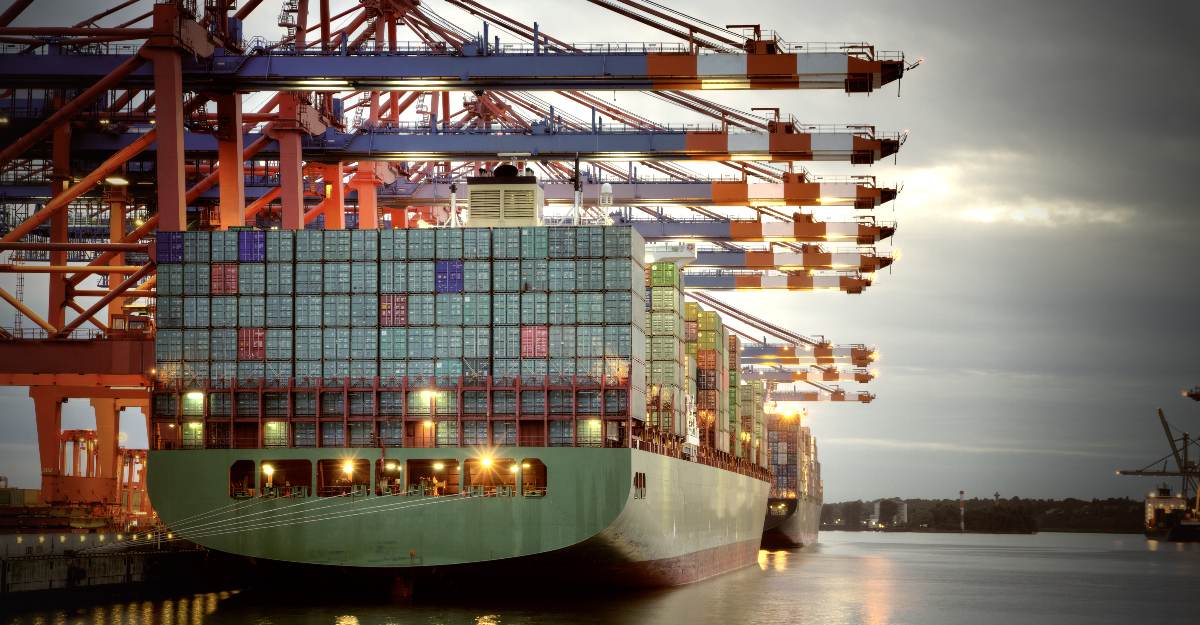
When you’ve made the order, work with your supplier to sort out shipping. There are two main options: sea freight (cheaper and slower) and air freight (more expensive and faster).
Also, request a Certificate of Origin (COO) to access the lower 0% customs duty⁴. Without this document, you’ll have to pay the default 5% rate if goods are valued over $1,000 AUD⁵.
To make things easier, you can use a freight forwarder to sort out transportation and customs clearance and manage all the necessary paperwork. It’ll cost you extra, but it does reduce some of the stress and complexity of buying direct.
| 👆[Read our guide on shipping from China to Australia |
|---|
Payment security is a big factor to consider when buying from China. It can feel like a leap into the unknown if you’re working with and paying a new supplier overseas. You do have a few payment options, each with different risks and costs.
These include:
Paying suppliers in China regularly will be expensive if you plan on using most traditional bank accounts. There will be a percentage fee for every international transaction, plus other hidden costs, high currency conversion fees, and long settlement times to consider. It can make global business much more challenging than it needs to be.
Wise Business helps simplify and cut the cost of sending money to suppliers abroad. You can pay suppliers in 40+ currencies from one multi-currency account with low, transparent fees.

Wise Business helps streamline overseas business payments without foreign transaction fees, saving up to 3x compared to other providers.
Tired of hidden fees and complex processes when making overseas payments?
Start sending with a Wise Business account! 🚀
This general advice does not take into account your objectives, financial circumstances or needs and you should consider if it is appropriate for you.
1. What is a Minimum Order Quantity (MOQ) and can it be negotiated?
A minimum order quantity (MOQ) is the smallest number of units a supplier will produce for you or sell to you in a single order. It’s usually negotiable, especially if you’re a first-time buyer or testing new products.
2. How do I handle quality control when the factory is thousands of miles away?
It is more difficult, but you can work with third-party inspection companies to check the quality of products before they ship to Australia. You can also request photos or videos during production to get a better idea of what’s happening behind the scenes.
3. What are the safest ways to pay a Chinese supplier?
For your first order, it might be safest to use escrow services like Alibaba Trade Assurance so you can verify the quality of goods before paying. For regular B2B business, money transfer services like Wise provide a fast and secure way to transfer funds with full tracking and payment updates.
4. Do I need an import licence to buy from China?
Generally, you don’t need to get a licence to import most goods from China to Australia⁶. However, you might have to apply for specific permits or approvals to bring in goods for certain product categories like food or chemicals. Make sure to check all the import guidelines in Australia beforehand.
5. How much are import duties and taxes from China?
Most goods can be imported from China to Australia at a 0% customs rate thanks to the ChAFTA agreement, provided you have a Certificate of Origin (COO). However, you’ll still have to pay 10% Goods and Services Tax (GST) on the total cost of goods and ‘extras’ like freight and insurance⁷. GST is always applied when importing, even if you aren’t registered to pay GST in Australia.
Sources:
*Please see terms of use and product availability for your region or visit Wise fees and pricing for the most up to date pricing and fee information.
This publication is provided for general information purposes and does not constitute legal, tax or other professional advice from Wise Payments Limited or its subsidiaries and its affiliates, and it is not intended as a substitute for obtaining advice from a financial advisor or any other professional.
We make no representations, warranties or guarantees, whether expressed or implied, that the content in the publication is accurate, complete or up to date.

Explore Xero pricing in Australia. We break down all 4 plans, hidden costs, and features like payroll & multi-currency. Find more.

Wondering how to reactivate your ABN? Find out more on ABN reactivation, eligibility, required documents, and overall process.

Discover how Xero integration connects works and connects to over 1,000 apps, from ecommerce to payments. Read here.

Learn how to create a compliant tax invoice in Australia. We cover ATO requirements, GST rules, mandatory fields, and more.
Aussie guide on finding the right dropshipping supplier. Explore directories vs wholesalers, checklists, and saving on international payments.

What's involved in hiring your first employee in Australia? Learn about legal requirements, payroll, onboarding, and more.