What are retained earnings? Guide for Australian businesses
Learn about retained earnings, the formula, balance sheet impact, and how to use accumulated profits for sustainable growth. Read here.


Despite stiff competition, there’s still money to be made through dropshipping. According to an IMARC Group forecast, the Aussie dropshipping sector will experience steady market growth at 22.54% (CAGR) over the coming years, reaching US$41.3 billion in 2033.1
But to capitalise on this growing sector, the Aussie entrepreneur needs to find the right supplier. The ideal candidate offers a delicate balance between low pricing, quality merchandise, fast shipping, and responsive service.
Finding such a supplier is tricky in a crowded marketplace full of broken promises and shoddy products. We’re here to help with a guide on how to find dropshipping suppliers.
| Table of contents |
|---|

Dropshippers only handle the marketing, shopfront, and payments. It's the suppliers who must do product procurement, storage, packaging, shipping and returns.
A typical sales process for a dropshipper looks something like this:
Most dropshipping suppliers fall into three categories: directories, wholesalers, and manufacturers.
An easy way to find a supplier is through a dropshipping platform. Many budding dropshippers prefer them for the convenience and lower risk.
Aimed at e-commerce entrepreneurs, these user-friendly online marketplaces connect dropshippers with trusted, pre-vetted suppliers worldwide. The bigger dropshipping directories give you access to a bewildering array of products — over 100 million in some cases.
Dropshipping directories integrate with a wide range of e-commerce stores to automate payment and ordering processes. As they only work with authorised suppliers, you’re less likely to encounter shady operators or outright scams. Directories can also offer lower minimum order quantities (MOQs), the smallest number of units you can purchase per order. That’s ideal for dropshippers eager to test out a new idea.
As we know, dropshipping directories give you access to a wide range of wholesalers. But there’s a different, potentially more lucrative approach: contacting the wholesaler directly.
By cutting out the platform “middleman,” you can negotiate significant per-unit discounts. Known as “wholesale dropshipping,” this strategy appeals to experienced e-commerce entrepreneurs.
Wholesalers often stock a wide selection of products across different niches. That said, no single wholesaler can match the gigantic product range of somewhere like AliExpress.
Most direct wholesaler-to-dropshipper arrangements involve higher MOQs than those on directories, making it best for products with proven demand. You’ll also have to vet the supplier yourself for quality, consistency, and shipping.
Communication and contracting can be challenging due to language barriers. Plus, you won’t get the convenient e-commerce integrations that directories offer.
The final approach is dealing directly with the manufacturer. By creating their own products in-house, manufacturers can offer substantially lower prices per unit than wholesalers or directories.
The catch is that many manufacturers prefer to deal with wholesalers rather than dropshippers. Most factories lack the facilities to store, package, and post individual orders. As such, many will refer you to a preferred wholesaler or platform.
Manufacturers that can accommodate dropshipping will often enforce sky-high MOQs. That’s pretty risky, as you don’t want to end up with 4,000 portable potato warmers nobody will buy.
While manufacturers offer the highest profit margins, this supplier type is the hardest to nail down. Only consider this route if you’re an established dropshipper with proven product demand.
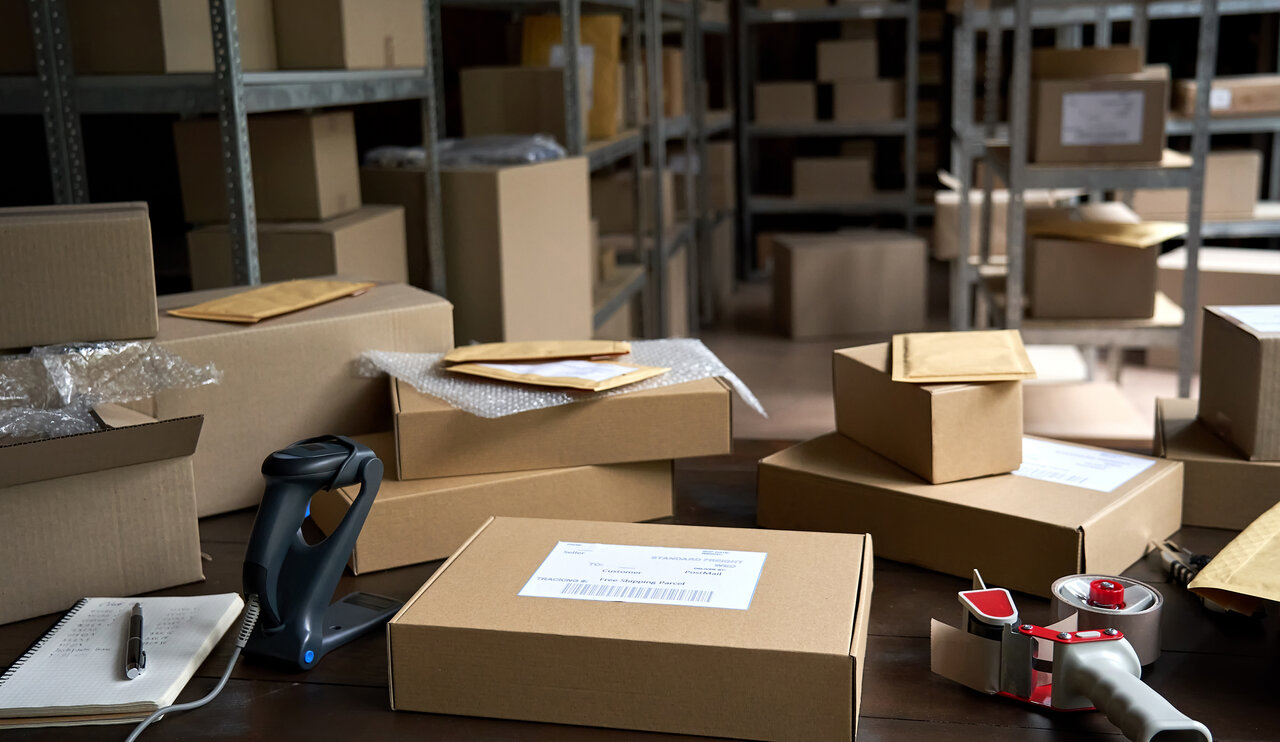
Finding a dropshipping supplier involves either signing up for a directory or conducting independent research.
The simplest way to find a supplier is through a directory. Some have subscription or platform fees, while others charge commissions on each order.
Products listed in dropshipping directories usually contain essential information on prices, materials, weight, size dimensions, shipping, and MOQs. That saves time as you don’t need to get details from the supplier. Dropshippers can compare the top options and order 1 unit of each to gauge their quality.
Some of the top dropshipping websites in Australia include:
For offshore directories, consider the following, many of whom also have Australia-based warehouses.
A cursory Google search will yield a range of suppliers, both in Australia and abroad. However, product quality and reliability could leave something to be desired.
One option for sourcing a specific supplier is through an existing marketplace like eBay. Find a top-selling product similar to what you want to sell. Next, contact the supplier to see if you can negotiate a direct relationship.
Alternatively, order a product from an established e-Commerce store, then look up the return mailing address to identify the supplier and get in touch with them.
Networking in e-commerce social media groups can provide valuable insights from fellow entrepreneurs. Facebook, Reddit, and Discord have large active communities.

Finding a dropshipping supplier is easy – finding a good one is a whole different matter. This checklist can help you side-step the deadbeats and find the best possible supplier for your needs.
Sadly, there are stacks of dodgy suppliers flogging shoddy products and offering lousy customer service. Taking time to research reputations can pay big dividends.
Verify how long the supplier has been operating and search their name online. Compare Trustpilot ratings and Google reviews with testimonials from dropshipping forums.
Even if you think you’ve found the perfect supplier, it’s wise to order a sample first. Holding the product in your hands lets you better evaluate materials, quality, market positioning, and value.
Look for a product with a low MOQ so you don’t end up with a bunch of unusable products should you decide not to proceed.
Some customers will prioritise promptness. Compare processing times, estimated delivery times, shipping costs, and tracking options to find the best fit for your market.
With any luck, your reputation research will help determine whether the supplier’s claimed timeframes are consistent and realistic.
What looks good on paper might not be the best deal.
Evaluate the total cost to the consumer, including shipping costs, your profit margin, and any hidden charges like subscription or per-order fees.
Will the supplier respond quickly? Do language barriers impede interactions?
Contact the supplier by various channels to evaluate their customer support. Ask product-related questions and enquire about return procedures.
When you’ve found the right supplier, keep these tips in mind to maintain a long and mutually beneficial business relationship.
The beauty of the dropshipping model is that it minimises delayed payments arising from cashflow complications. You pay suppliers at the wholesale price using funds from the customer.
However, depending on the payment method, international transfers can lead to higher costs and processing delays. Currency fluctuations, foreign exchange fees, and international transfer charges can make sourcing from offshore suppliers a costly prospect, even though their prices are so low.
A fast, transparent, and well-priced international transfer service can help dropshippers increase profit margins by reducing fees.
Designed with Australian online entrepreneurs in mind, Wise Business facilitates speedy international transfers using the mid-market exchange rate. A transparent pricing policy ensures you can see exactly how much each transfer will cost, perfect for dropshippers trying to optimise their bottom line.
Simultaneous low-cost payouts to worldwide suppliers are possible through the Wise batch payment tool, which is easy to implement and can be automated via an API.

Wise Business helps streamline overseas business payments without foreign transaction fees, saving up to 3x compared to other providers.
Tired of hidden fees and complex processes when making overseas payments?
Start sending with a Wise Business account! 🚀
This general advice does not take into account your objectives, financial circumstances or needs and you should consider if it is appropriate for you.
Sources:
*Please see terms of use and product availability for your region or visit Wise fees and pricing for the most up to date pricing and fee information.
This publication is provided for general information purposes and does not constitute legal, tax or other professional advice from Wise Payments Limited or its subsidiaries and its affiliates, and it is not intended as a substitute for obtaining advice from a financial advisor or any other professional.
We make no representations, warranties or guarantees, whether expressed or implied, that the content in the publication is accurate, complete or up to date.

Learn about retained earnings, the formula, balance sheet impact, and how to use accumulated profits for sustainable growth. Read here.

Learn how to calculate GST in Australia. Understand inclusive vs exclusive pricing, claim GST credits, and avoid common pitfalls to ensure business compliance.

Demystify business turnover. Learn how to calculate gross income, understand gst thresholds, and distinguish turnover from profit for your business.

Discover what a VAT number is and how it differs from Australian GST. Learn why the ABN matters for international business and more. Read here

Understand IBAN, how they differ from BSB codes, and when you need them for international transfers. Learn to navigate global payments.

Learn how to accept online payments in Australia. Learn about methods like gateways, links, and bank transfers and managing fees, security, and compliance.