Guide to cash management solutions for Australian businesses
Explore the best cash management solutions in Australia. Learn how cash management systems work, key features to look for, and more.



As an Australian business accepting payments online, you’ll likely have to handle disputes from time to time. Chargebacks offer a way for customers to reverse card payments when something goes wrong, but they can be frustrating for businesses due to the extra fees and admin, plus the potential for lost revenue.
In this guide, we’ll explain exactly what is a chargeback, how the process works in Australia, some of the costs involved, and how you can reduce the risk and impact of chargebacks.
| Table of Contents |
|---|


A chargeback is the reversal of a debit or credit card payment after a customer disputes a transaction with their bank or card provider. Rather than requesting a refund and waiting for the business to respond, the customer instead asks their bank to investigate the transaction with a view to returning the funds.
Chargebacks can happen on both credit and debit cards and are often used when a transaction appears fraudulent, or the customer is unhappy with the service (i.e., goods not received).
There are a few parties involved in the chargeback process. These are the:
From these parties, the issuing bank usually leads the chargeback investigation, while the merchant (business) can provide evidence defending the transaction.
In contrast to a chargeback, a refund is initiated by the business and is a very common way to return funds to a customer if they, for example, have purchased goods and then sent them back (typically during a 30-day return window). Offering returns is a part of consumer law in Australia¹, and it’s usually voluntary and handled between the customer and merchant.
With a chargeback, it’s initiated through the customer’s bank or card provider, rather than directly with the consent of the business. The customer is, in effect, bypassing the business by attempting to get the funds forcibly reversed.
When handling these chargebacks with a payment processor, you may see them referred to as ‘disputes’. A dispute is the filing of the claim, while a chargeback is the act of forcefully reversing the funds.
Now, let’s look at how a chargeback works. It can only begin after the transaction has cleared and settled in a business’s account. This is when a customer may file a chargeback to reverse the process and get the funds back.
While the exact process and rules can vary by bank and card scheme, it generally follows these steps:
First, the cardholder notices a transaction that they believe is either fraudulent, incorrect, or invalid, and then contacts their bank or card provider to file a dispute. In Australia**, customers have up to 120 days to lodge a dispute²**, depending on the card network and reason for the claim.
Next, the bank investigates if the dispute appears legitimate. They’ll review the transaction details and match them up to the customer’s claim, plus look at any fraud or payment data that’s linked to the card purchase. If the bank believes the dispute may be valid, it will initiate the chargeback process and temporarily reverse the transaction (pending the outcome of the case).
Now the business’s acquiring bank or payment processor informs them that a chargeback has been raised. At this stage, the merchant (business) can either opt to accept the charge or dispute it by providing supporting evidence.
If the business believes the transaction was legitimate, it can gather and submit evidence through a process known as representment. This requires quite a bit of admin on the business side to pull things together. Evidence can include:
Now it’s time for the issuing bank to review all the evidence, weighing up the argument from both sides to come to a decision about whether the chargeback should be upheld. If the bank rules in the customer’s favour, the funds are permanently returned to the cardholder. If the merchant wins the dispute, the funds may, but not always, be returned to the business.
In some cases, disputes can escalate further to arbitration through the card network, though this isn’t as common.
While chargebacks can be aggravating for small businesses, they exist primarily to protect consumers from fraud and payment issues.
Fraudulent purchases
The original purpose of chargebacks was to prevent fraudulent transactions. If a stolen card is used or a customer notices a payment they didn’t authorise, they can dispute the transaction with their bank by filing a dispute.
Friendly fraud
When a legitimate customer disputes a valid purchase, this is known as “friendly fraud”, and is often due to misunderstandings or confusion. For example, the customer might have forgotten about a subscription renewal or not realised that a family member made the purchase.
Goods or services not received
A customer may request a chargeback if an order didn’t arrive, or the business stopped responding to any messages or complaints.
Product not as described
A customer may dispute a transaction if the item they received is vastly different from what was advertised, ie, it’s of poor quality or missing features.
Duplicate or incorrect charges
Chargebacks also happen because of processing errors, like being charged twice or having a payment for a subscription taken even when the service has been cancelled.
When a customer files a chargeback, businesses are typically charged a separate fee by their acquiring bank or payment processor to handle everything. This fee helps to cover some of the administrative costs of managing the dispute, and it’s not usually repaid when ‘winning’ the case.
Unfortunately, these fees can have a big impact on micro and small businesses in Australia. Just a single chargeback can lead to:
Higher chargeback rates are like a ding to credit history, often resulting in stricter payment processing terms or even account restrictions from payment providers. All of these downsides can put small businesses on the back foot.
The payment processor or acquiring bank has the biggest impact on these fees – they usually outline how much it will cost per-dispute in their pricing information.
It can also be affected by the:
Chargebacks can take a while to get resolved – anything from a few days to several months for everything to get sorted. In Australia, the exact time frame will depend on the complexity of the cases, the card scheme rules, whether the merchant opts to dispute the claim, and the quality of evidence submitted.
PayPal notes that it can take up to 75 days or longer to fully resolve a chargeback dispute³.
For businesses, disputed funds are effectively left in limbo and can remain frozen or unavailable for extended periods, which can have a big operational and financial impact, especially for smaller merchants with tight margins.
Unlike a normal refund, chargebacks also create a “double loss” scenario where the businesses have to forgo both revenue and the product or service they delivered. There’s also the strain on time and resources – small businesses without dedicated finance teams will have to review and collect records and documents to support their claim.
Because chargebacks can set a small business back, it’s vital to put some best practices and contingencies in place to reduce the chances of transactions being escalated into disputes and chargebacks.
Strategies you can use to minimise the impact include:
If you’re notified that a customer has filed a dispute, here’s how to respond:
It’s also important to assess if disputing a chargeback is actually worth it – in some cases, the time and admin costs can outweigh the money you made from the transaction.
Handling unexpected card disputes can put a strain on your cash flow and take up valuable business hours. Wise Business helps solve this administrative challenge by providing a straightforward way to manage chargebacks when they happen. If a customer initiates a dispute, Wise temporarily holds the matching amount from the account. Businesses are then notified with the details so that claims can be reviewed.
From there, businesses can choose to accept the chargeback or defend their revenue by submitting clear evidence, such as proof of delivery or signed customer agreements. Since the ultimate decision is made by the customer's card provider, Wise ensures proper documentation is passed along efficiently to support your case throughout the standard review window.
Expanding a business globally opens up exciting opportunities, but also new challenges like receiving payments across borders. Hidden foreign transaction fees and hefty currency conversions involved with international payments can eat into your profits and time.
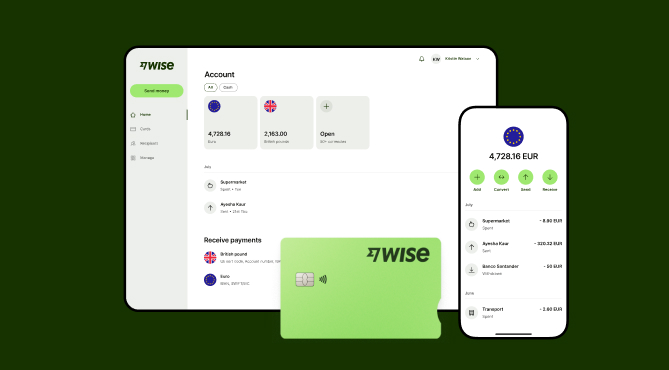
Wise Business serves as a cost-effective solution where you can receive money from around the world at the speed and price of local payments.
Transform the way you receive payments with Wise Business:
Sign up for the Wise Business account! 🚀
This general advice does not take into account your objectives, financial circumstances or needs and you should consider if it is appropriate for you.
1. What happens if a merchant doesn't respond to a chargeback?
The issuing bank is likely to rule in the customer’s favour automatically if a merchant doesn’t respond to a chargeback within the required timeframe. This means the customer will permanently retrieve the funds, while the business typically pays their payment processor’s chargeback fee.
2. Will a chargeback hurt my credit score?
Chargebacks won’t have a negative impact on your business credit score. However, a higher chargeback ratio can make it harder to get favourable terms with payment processors. Filing a legitimate claim doesn’t usually affect a customer’s credit score, either.
Sources:
*Please see terms of use and product availability for your region or visit Wise fees and pricing for the most up to date pricing and fee information.
This publication is provided for general information purposes and does not constitute legal, tax or other professional advice from Wise Payments Limited or its subsidiaries and its affiliates, and it is not intended as a substitute for obtaining advice from a financial advisor or any other professional.
We make no representations, warranties or guarantees, whether expressed or implied, that the content in the publication is accurate, complete or up to date.

Explore the best cash management solutions in Australia. Learn how cash management systems work, key features to look for, and more.

Learn the best bookkeeping practices for startups in Australia, common mistakes to avoid, and the best bookkeeping software for micro businesses in 2026.

Compare the best ecommerce platforms for Australian businesses. Explore features and pricing, plus how Wise Business can help with global ecommerce payments.

Learn what direct debit is, how direct debit payments work in Australia, and how businesses can set up direct debit solutions to get paid on time.

Need a payment processing solution for your business? We’re covering everything you need to know to start payment processing in Australia.

What is a merchant fee? We’re covering everything the budding Aussie entrepreneur needs to know, from definitions to processes, types, and strategies.