Revolut business review: Plans, fees, and Australian alternatives
Read here for a review on Revolut Business in Australia. Compare multi-currency features, subscription plans, out-of-hours transfer fees, and alternatives.



Starting a business in Australia? You’re in good company. There were 436,000 new startups in 2024, with many choosing the Pty Ltd structure¹. This blog go into detail about how to register and set up a Pty Ltd company in Australia, covering all the important rules and paperwork.
We’ll also introduce Wise as a way to manage your finances with a separate business bank account, which is one of the key requirements when registering a company.
| Table of contents |
|---|

Sign up for the Wise Business account! 🚀
A Pty Ltd, or Proprietary Ltd, company is a structure that offers limited liability to its owners. It’s the most common type of business in Australia, but there’s lots to consider and get sorted before setting up and registering one.
The ASIC calls these formative steps “building blocks”. They are the legal and admin requirements that lay the foundation for your company to ensure it’s formed correctly.
You’ll need a unique name for your company. If you aren’t ready to register just yet, ASIC lets you reserve one for up to two months before you start the process for a $61 fee². There’s also a handy tool to check the availability of different names before you decide.
All company directors also require a director ID — a unique identifier to verify who you are and prevent fraud. You’ll need this before you’re appointed, so don’t leave it too late to apply.
Pty Ltd companies have directors and shareholders. You’ll need at least:
You’ll also have to decide how shares are distributed and the rules or constitution that guide how the company is internally managed. You can be governed by:
As a director of a Pty Ltd, you will have more responsibilities and legal obligations to meet compared to operating as a sole trader or partnership. You’ll be expected to:
These are high standards to meet, and there are risks of penalties and even criminal charges if you don’t meet your legal duties. That’s why it’s important to get to grips with all the obligations before you start a company.
The government states that you need to open a separate business bank account when starting a company for tax purpose but also to help manage your business finances separately³.
This is also a good time to think about how you’ll receive payments from customers and pay suppliers as a company. A multi-currency account could give you a competitive edge if you’re working or doing business with clients in Australia and overseas.


Sign up for the Wise Business account! 🚀
Registration is where your exciting business idea becomes a reality and transforms into a legally recognised entity. It’s not the whole part of setting up a Pty Ltd company, but it’s a critical step. You won’t be able to trade without it.
It involves submitting a Form 201 to ASIC and providing supporting details and documents to establish the legal structure your company will use. Registration has other benefits too (even though it’s mandatory). You’ll get:
It’s also a requirement for other activities that are crucial for setting up and running your business. For example, Wise will ask you for your Australian Company Number (ACN) and other registration details to verify your business bank account.
Registering your Pty Ltd status is one aspect of setting up a company. There are a few things you need to do before and after, too. Here’s an in-depth step-by-step guide on how to get your Proprietary Limited company legally up and running in 2025.
Start by searching ASIC’s database to find a name that’s unique and available. Make sure it’s a good fit for your brand, too. Your company name must always end with ‘Pty Ltd’ or ‘Proprietary Limited’ and not be misleading or too similar to existing companies.
This might be a trickier part if you don’t have experience with setting up businesses. You need to make a decision on:
You’ll need most of the information you’ve gathered in preparation for setting up your company. This includes:
This is the main part of the process. You can register your company directly with ASIC via its online portal. This involves completing a digital Form 201, the key document for registering as an Australian company, with all the relevant details.
The process shouldn’t take long — you’ll typically get approval within minutes to a few days. There is a one-off registration fee of $576 to pay to register a company⁴.
Once you’ve paid and received approval, you’ll get:
The ACN will identify your company, but you also need to apply for an Australian Business Number (ABN) to operate legally. You can get this at the same time when registering your company, or afterwards via the Business Registration Service.
You might also need to register for:
It’s a legal requirement to separate your personal and business finances. Traditional banks offer a range of accounts designed for business, but there can be very specific eligibility criteria. It can also take a while to get approval.
With business bank account alternatives like Wise Business, you can skip the conventional banking delays, queues and hidden fees. You can set up your business multi-currency account that’ll give you all the tools to manage money in Australia and across borders, and keep your cash flow under control from day one.
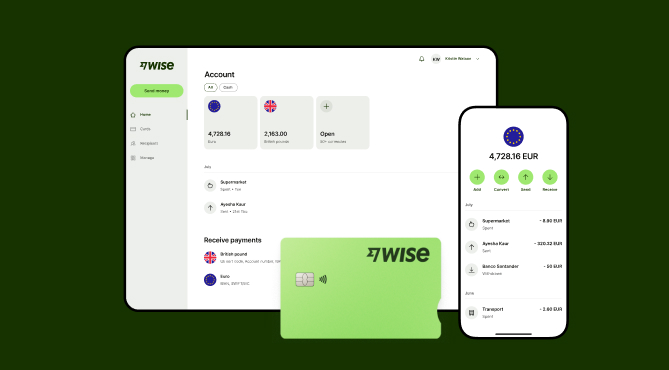
What's more, you'll benefit from the following with a Wise Business account:
Sign up for the Wise Business account! 🚀
Depending on the type of company, you might need to acquire licences and permits to conduct legal business in states and territories across Australia. Check with the government in your region and any other relevant industry bodies to make sure you have the right authorisations before you start trading.
Finally, you’ll need to create systems to maintain company records and meet all your legal obligations. The consequences for non-compliance can be severe, so don’t skip this step. Your company needs to be fully prepared.
The actual registration process is quite fast. It can be completed on the same day and approved within a few business days. The preparation phase is likely to take longer, though. It depends on how quickly you can gather the documents you need, choose a structure, and set up your business banking.
Preparation is the top priority when setting up a Pty Ltd company in Australia. Take the time to get everything in place before you start the process. There are quite a lot of legal obligations and specific rules unique to companies (share structure, constitution etc.) Fully understanding what your personal obligations are and what your company must do is essential. Then it’s a case of picking a name, registering your company, and sorting out your finances.
Sources:

Want more insights? Sign up to the Wise Business newsletter 💼
*Please see terms of use and product availability for your region or visit Wise fees and pricing for the most up to date pricing and fee information.
This publication is provided for general information purposes and does not constitute legal, tax or other professional advice from Wise Payments Limited or its subsidiaries and its affiliates, and it is not intended as a substitute for obtaining advice from a financial advisor or any other professional.
We make no representations, warranties or guarantees, whether expressed or implied, that the content in the publication is accurate, complete or up to date.

Read here for a review on Revolut Business in Australia. Compare multi-currency features, subscription plans, out-of-hours transfer fees, and alternatives.

Compare the best payment gateways for WooCommerce in Australia, including features, fees, payment methods, and how to choose the right integration.

Learn how the Stripe payment gateway works in Australia, including features, fees, integration options, and tips for accepting online payments.

Need a fast, frictionless, and cost-effective payment solution for your online store? We cover the best payment gateways for ecommerce.

Compare OFX vs Airwallex for Australian businesses. Explore their features, multi-currency accounts, expense management, integrations, and fees.

Learn how to set up online payments for a small business in Australia, including payment methods, providers, costs, setup steps, and common challenges.