ICC eSIM review: plans, prices, coverage and alternatives
Read our ICC eSIM review for Singapore travellers. Compare plans, prices, coverage, activation, top-ups, device support and alternatives before buying.



The Schengen area covers 29 European countries, allowing travellers to move between participating countries without routine internal border checks. Singapore passport holders generally don’t need a Schengen visa for short tourist visits, but foreign residents in Singapore may need one depending on their nationality.
For travellers who require one, a Schengen visa generally covers stays of up to 90 days in any 180-day period. This guide explains who needs a visa, where to apply, the required documents, fees and processing times.¹
We'll also introduce the Wise card, a handy travel companion to make seamless card payments when you're overseas.
| Table of Contents |
|---|

Whether you need a Schengen visa depends primarily on the passport you hold. Singapore passport holders normally qualify for visa-free short stays, while some foreign residents must apply before travelling.
| Passport or traveller² | Short-stay Schengen visa? | What to do |
|---|---|---|
| Singapore passport | No | Check the current visa-free entry requirements |
| Malaysian passport | No | Check the current visa-free entry requirements |
| Indian passport | Yes | Apply for a Schengen visa |
| Indonesian passport | Yes | Apply for a Schengen visa |
| Filipino passport | Yes | Apply for a Schengen visa |
| Myanmar passport | Yes | Apply for a Schengen visa |
| Chinese passport | Yes | Apply for a Schengen visa |
| Other passports | Check current rules | Verify with the EU and relevant consulate |
*Details correct at time of research - 26th August 2026
For most holidays and other short visits, no. Singapore passport holders can generally enter the Schengen area without a Type C short-stay visa for up to 90 days in any 180-day period. This may cover tourism, visiting family and qualifying business travel, but it does not permit every type of work or study.
The visa you may need depends on the purpose and length of your trip. A Type A visa is used for certain airport transits, while a Type D visa is a national long-stay visa that may be required if you plan to remain for more than 90 days, work, study or relocate. Type D requirements are set by the individual destination country.¹
The Type C application guidance in this article is therefore most relevant to foreign residents applying from Singapore with a passport that requires a Schengen visa. Singapore passport holders should still check the entry requirements, ETIAS status and permitted activities before travelling.
The European Travel Information and Authorisation System (ETIAS) is the EU’s planned pre-travel authorisation for eligible visa-exempt visitors.³
ETIAS is not yet operational. Once introduced, Singapore passport holders are expected to need an approved ETIAS before travelling for a qualifying visa-free stay.
The EU states that the specific launch date will be announced in advance. Check the official ETIAS website before travelling rather than applying through unofficial websites.
A Schengen visa is a short-stay visa for travellers who don’t qualify for visa-free entry. It generally allows its holder to spend up to 90 days within a 180-day period across the Schengen area, subject to the visa’s conditions.
The main short-stay visa categories include:
| Schengen visa form | What it allows |
|---|---|
| Single-entry visa | One entry into the Schengen area during the visa’s validity |
| Multiple-entry visa | Multiple entries during the visa’s validity, subject to the permitted-stay limit |
| Airport transit visa | Transit through an airport’s international transit area without entering the Schengen area |
Single- and multiple-entry short-stay visas generally fall under Type C, while an airport transit visa is Type A. A Type D visa is different: it is a national long-stay visa issued under an individual country’s rules, usually for stays exceeding 90 days, such as certain work or study arrangements.
The Schengen area contains 29 countries, including most EU member states and four members of the European Free Trade Association.
The countries are:
Ireland and Cyprus are not currently part of the Schengen border-free area.
The country responsible for processing your application depends on your itinerary:
You should normally apply from the country where you legally reside. If you’re legally resident in Singapore, you can generally submit your application in Singapore.
Make sure your flights, accommodation and itinerary support the destination through which you apply.
It depends on the destination country. Some Schengen countries accept applications through VFS Global or another external service provider, while others manage applications through their embassy or consulate.
Use the relevant embassy’s official website to confirm:
Avoid booking through a third-party website until you have confirmed that it is authorised by the relevant government.
The application process generally involves these steps:
Submitting an application does not guarantee that a visa will be issued.
You can generally apply up to six months before your intended trip. Applications should normally be submitted at least 15 days before departure.
Applying close to your travel date may leave insufficient time if the authorities request more documents or take longer to reach a decision.
Requirements vary by destination, nationality and personal circumstances. A typical application may require:
Check the destination country’s current checklist before applying. Documents should reflect the trip you genuinely intend to take.
The photograph submitted with your application should:⁴
Follow the exact instructions provided by the embassy or application centre handling your application.
You can get the harmonised Schengen visa application form⁵ online or through the embassy or visa application center you plan to apply to.
Yes. Visa applicants generally need travel medical insurance covering the entire Schengen area for the duration of the intended stay.
The policy must meet the applicable minimum coverage and include expenses such as emergency medical treatment, hospitalisation and repatriation.
Check the destination country’s current insurance requirements before purchasing a policy.
The standard fee depends on the applicant’s age, nationality and application category. An external visa centre may charge an additional service fee.
| Application type | Standard visa fee |
|---|---|
| Standard adult application | 90 EUR (about 133 SGD) |
| Children age 6 - 12 | 45 EUR (about 66 SGD) |
| Applicants from Armenia, Azerbaijan, and Belarus | 35 EUR (about 52 SGD) |
| Applicants from Cabo Verde | 67.5 EUR (about 100 SGD) |
*Details correct at time of research - 26th August 2026. Currencies converted from EUR using the live mid-market rate on 26th August 2026.
The usual processing time is 15 calendar days, but an application may take up to 45 days when additional assessment or documents are required.¹
Processing could also take longer during busy travel periods. Apply early and avoid making non-refundable arrangements unless the official instructions require confirmed bookings.
Receiving a Schengen visa does not automatically guarantee entry. At border control, you may be asked to provide:
The Entry/Exit System (EES) is operational at Schengen external borders.⁶ Border procedures and waiting times may vary by country and crossing, so check the latest official guidance for your route before travelling.
EES is a border-control system, not an online application. Where applicable, border authorities may record information including your travel-document details, facial image and fingerprints.
ETIAS is different from EES. Once launched, ETIAS will be a pre-travel authorisation for eligible visa-exempt travellers. It is not yet operational.³
The border-control officer makes the final entry decision, even when a traveller holds a valid visa or qualifies for visa-free entry.
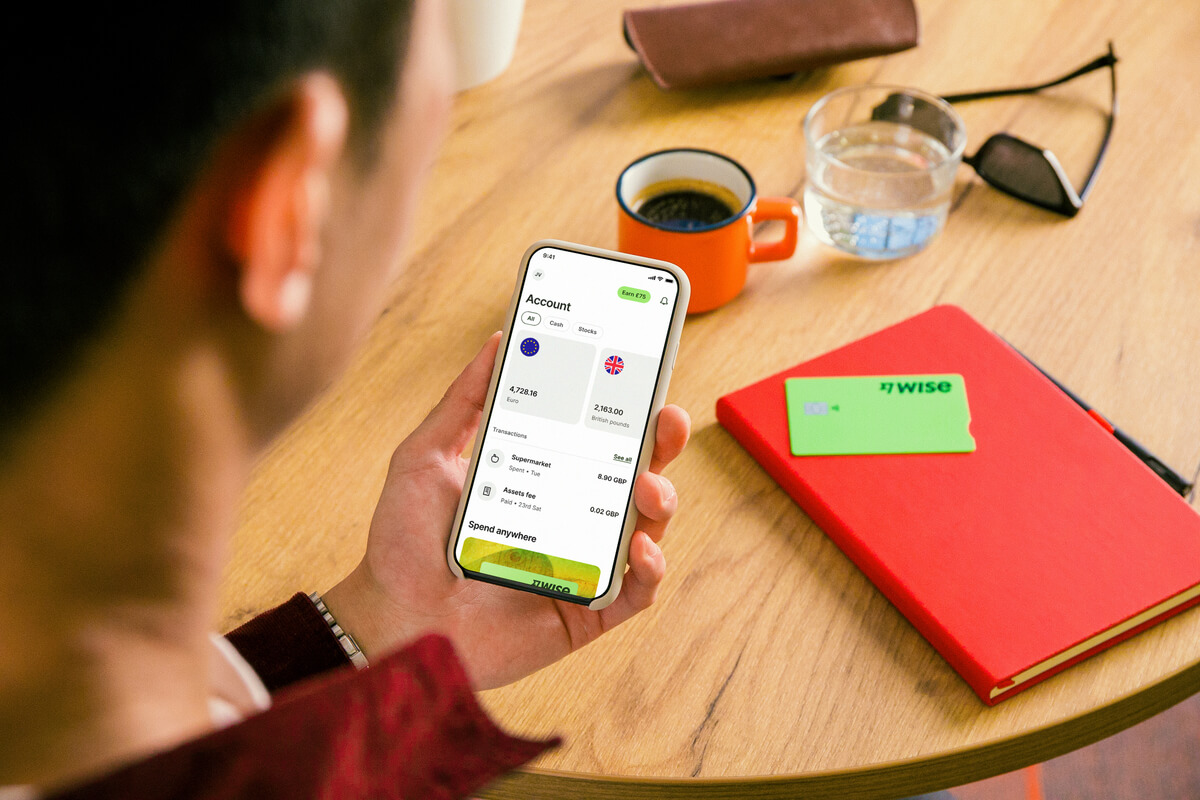
The Wise card lets you spend in 40+ currencies at the mid-market rate including MYR, JPY, CNY, and USD so you know you'll be getting a great deal in over 150+ countries. Simply create a free Wise account, order a card and top-up SGD to get started.
Virtual cards are free and can be added to your Google or Apple Pay wallet, while a physical Wise card can be ordered for a low fee of 8.50 SGD. Having a physical Wise card allows you to make chip and pin payments, as well as free ATM withdrawals up to the value of 100 SGD each month, before low fees start.
While abroad, you can choose to spend with directly in SGD and let auto-conversion do the trick, or convert to your desired currency with your Wise account. Either way, you’ll get the exchange rate you see on Google, with low, transparent fees from 0.26%.
Plus, you can activate Wise Interest to earn returns* on your SGD and other currencies, meaning your travel money could be growing right up until you spend it.
*Growth is not guaranteed. Capital at risk.
*Please see terms of use and product availability for your region or visit Wise fees and pricing for the most up to date pricing and fee information.
This publication is provided for general information purposes and does not constitute legal, tax or other professional advice from Wise Payments Limited or its subsidiaries and its affiliates, and it is not intended as a substitute for obtaining advice from a financial advisor or any other professional.
We make no representations, warranties or guarantees, whether expressed or implied, that the content in the publication is accurate, complete or up to date.
Read our ICC eSIM review for Singapore travellers. Compare plans, prices, coverage, activation, top-ups, device support and alternatives before buying.

Read our Holafly eSIM review for Singapore travellers. Compare data plans, prices, coverage for China and Japan, setup, pros and cons, and alternatives.

Read our Saily eSIM review for Singapore travellers. Compare plans, prices, coverage, activation, pros and cons, and see if Saily is a good choice.

Can you bring a power bank on a flight from Singapore? Check the 2-device limit, 100Wh and 160Wh rules, cabin baggage policy and airline limits.

What is a DCC fee? Learn how dynamic currency conversion can add costs to overseas card payments and how choosing local currency may help you save abroad.
What is a transit visa? Learn when you may need one for a layover, how airport transit visas work, and how to save money while travelling overseas with Wise.