GCash Klook Card Review: Perks, Benefits, and How It Works
A detailed review of the GCash Klook Card, covering travel perks, welcome rewards, fees, exchange rates, and how it compares to the GCash Visa card.




Filipinos heading to any of the 29 Schengen visa countries for a visit of up to 90 days will need to submit a Schengen visa application based on their specific plans. This could
This guide walks through the Schengen visa requirements, which can vary depending on where specifically you’re going to, and important details like the Schengen visa photo requirements. We'll also introduce the Wise card, a handy travel companion to make seamless card payments when you're overseas.
| Table of contents |
|---|
The Schengen visa allows non-EU nationals to visit a country - or multiple countries - in the Schengen area for up to 90 days in any 180-day period¹. Schengen visa validity is set at 90 days in a 180 day window for the single and multiple entry visa options.
There are 3 types of Schengen visa:
At the time of research there are 29 countries included in the Schengen visa. While these countries can change over time, the visa currently applies to the following:
Austria, Belgium, Bulgaria, the Czech Republic, Croatia, Denmark, Estonia, Finland, France, Germany, Greece, Hungary, Iceland, Italy, Latvia, Liechtenstein, Lithuania, Luxembourg, Malta, the Netherlands, Norway, Poland, Portugal, Romania, Slovakia, Slovenia, Spain, Sweden and Switzerland.
As you’ll see, this list includes many EU countries, but not all. Plus, there are some countries which aren’t EU members which are in the Schengen area. Check that all the countries you intend to visit are covered by Schengen, as some are notably left off the list - such as the UK.
*Details correct at time of research - 2nd June 2025
Yes. Filipinos need a visa to visit the Schengen area for short stays of up to 90 days, usually for tourist or business purposes. Different visas are needed if you intend to work or study in a particular country.
You’ll need to apply for your Schengen visa following the process of the country you’re heading to in Europe. This means that the exact steps you take can vary depending on your plans.
Generally, the Schengen visa requirements for Filipinos mean you need to show your passport, proof you can pay for yourself in Europe, and also evidence to show you’re planning on leaving once your visa expires. There’s also a Schengen visa fee to pay.
The Schengen visa is not a work visa. It’s intended for short term visits for tourist purposes mainly. If you intend to work in Europe you’ll need to follow the work visa application process of the specific country you’re going to.
| 👀 Looking to receive USD, GBP, AUD and more? Check out our guide on how to use Wise in the Philippines |
|---|
Because the Schengen visa is a visa for a whole block of countries, rather than a single country, the process to apply for a Schengen visa as a Filipino might look a little bit different to other applications you’ve submitted in the past. Here’s an outline - bear in mind that the specific process used by one country may not be exactly the same as another. This means you’ll need to read the instructions carefully based on the country you’re applying to.
Step 1 - Decide how to apply
The Schengen area covers many different countries, so first you’ll need to work out which embassy you need to work with, to make your application. There’s not one single easiest Schengen visa for Filipinos - the details of where you apply depend on the country or countries you want to go to.
Step 2 - Gather your documents
The documents needed for your application - and the process you follow - might vary a little depending on the embassy or consulate which handles your application. Usually you must provide:
The documents you need to prepare to make your application depend on the purpose of your stay in the Schengen area. You may need to show bank statements as evidence of your financial means, and details of your planned accommodation during your stay. Some visitors must also provide proof they’ll leave the Schengen area after their visa expires - such as proof of your job here in the Philippines, and an onward return flight ticket.
Step 3 - Make your application
The steps needed to submit your application depend on the country you’re going to. In many cases you can at least start the process online by filling in the country’s application form, and uploading documents. In some locations you need to complete the application in person, either at the embassy of the country you apply to, or at a visa application service center which they operate. Your fingerprints will be collected when you submit your application.
The normal processing time for a visa application is 15 days, but you can start your application at any time in the 6 months before you plan to travel.
Step 4 - Receive your Schengen visa
Once your visa has been approved you’ll be notified following the processes of the embassy you applied through.
The Schengen visa application fees which are set by the EC are as follows:
If you’re applying through a visa service centre - a requirement in some destination countries - there may also be an additional service fee added. Check all the details before you start your application, with the country you’re applying to.
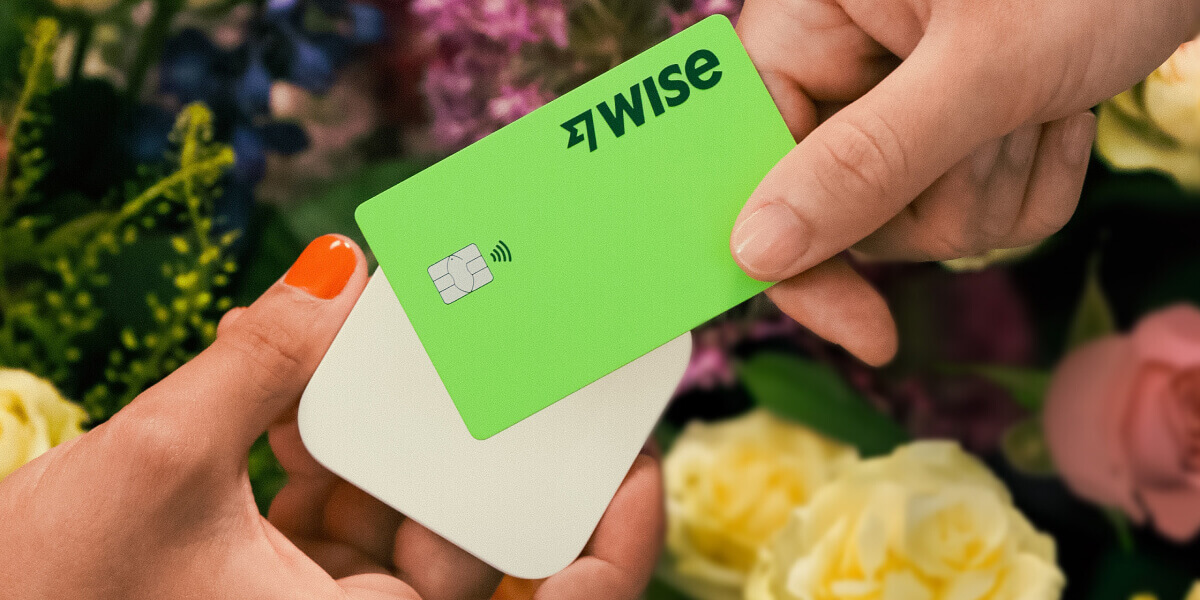
Once you get your Schengen visa, you’ll be looking for a way to seamlessly and conveniently spend in EUR, DKK, SEK and more with low, transparent fees.
The Wise card lets you spend in 40+ currencies at the mid-market rate including USD, SGD, GBP, and JPY so you know you'll be getting a great deal in over 150+ countries. Simply create a free Wise account, order a card and top-up PHP to get started.
A physical Wise card can be ordered for a low fee of 369.60 PHP. Having a physical Wise card allows you to make chip and pin payments, as well as 2 free ATM withdrawals to the value of 12,000 PHP each month, before low fees start.
In supported countries, Wise also lets you pay with QR codes, giving you another easy way to pay when cards or cash aren't your first choice. That means you can use Wise for card payments, cash withdrawals, and QR payments, all from the same account.
While abroad, you can choose to spend directly in PHP and let auto-conversion do the trick, or convert to your desired currency with your Wise account. Either way, you’ll get the exchange rate you see on Google, with low, transparent fees from 0.57%. A cheaper and easier way to spend foreign currency.
Pricing/fees: Please see Terms of Use for your region or visit Wise Fees & Pricing for the most up to date pricing and fee information
You can find the Schengen visa application form here, but it’s also worth checking the process based on the country you’re going to. Some countries have a fully digital application stage which allows you to submit your information directly into their system, rather than on a different form.
The Schengen visa photo size is 35 - 40mm in width³. Your head must take up the majority of the photo, and you need to be looking directly at the camera with your eyes open. You may wear glasses but they must not reflect the light in the image.
You can apply for your Schengen visa in the Philippines up to 6 months before you intend to travel. The normal processing time is 15 days, but this can not be guaranteed, so submitting your application early is a smart plan.
Do check respective bank websites for the latest information and promotions
Wise Pilipinas is regulated by the Bangko Sentral ng Pilipinas. For any questions or concerns, check out our Help Centre, or log into your account to talk to us by phone, email or chat.
Sources:
*Please see terms of use and product availability for your region or visit Wise fees and pricing for the most up to date pricing and fee information.
This publication is provided for general information purposes and does not constitute legal, tax or other professional advice from Wise Payments Limited or its subsidiaries and its affiliates, and it is not intended as a substitute for obtaining advice from a financial advisor or any other professional.
We make no representations, warranties or guarantees, whether expressed or implied, that the content in the publication is accurate, complete or up to date.
A detailed review of the GCash Klook Card, covering travel perks, welcome rewards, fees, exchange rates, and how it compares to the GCash Visa card.

A complete global list of visa-free and visa-on-arrival countries for Filipinos, with entry rules and regional breakdowns.

Here are some of the cheapest places to travel from the Philippines to get the most value for your money at your next affordable getaway.
Looking for the most budget-friendly travel insurance providers in the Philippines? We reviewed the cheapest options for international travel.

Travelling abroad and wondering how much Travel Tax is in the Philippines? Learn more about how and where to pay for it.

Looking for an easy getaway? Find top destinations in Asia that Filipinos can visit without a visa and plan your next hassle-free holiday from the Philippines.