How to make an invoice?
Discover how to make an invoice for business n the Philippines. Explore BIR requirements, essential components, steps, and common challenges.


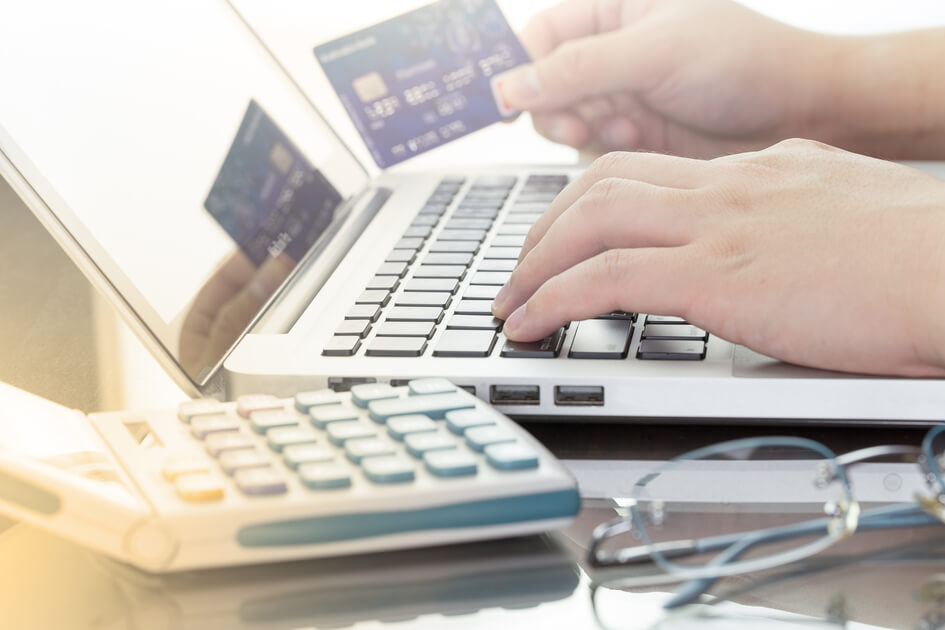
The Philippines is going digital — fast — with forecasts showing its e-commerce market nearly tripling in value by 2033. Most buyers pay on mobile — and expect fast, familiar options.
Choosing the right payment gateway Philippines option is a revenue decision. You need a reliable, secure and user-friendly checkout that supports local wallets, cards and bank transfers, reduces failed payments, and protects against fraud. That keeps customers happy and lifts conversion.
This guide will help you navigate the many payment gateway options available for Philippine businesses. We'll also mention how a Wise Business account can be a helpful tool for cross-border commerce by enabling companies to get paid like a local in multiple currencies, hold and convert at the mid-market rate and avoid unnecessary foreign exchange costs — all in one multi-currency account.
| Table of contents |
|---|
A payment gateway securely connects your checkout to the processor that moves funds to your business account.
It encrypts data, applies checks like 3D Secure and passes a token to authorize the charge. In the Philippines, gateways also support everyday local options: cards; e-wallets like GCash and Maya; QR Ph; online banking via InstaPay and PESONet; and over-the-counter payments.
The right choice isn’t just technical — it drives sales. The Philippine e-commerce market is projected to grow from 24.53 billion USD in 2024 to 75.59 billion USD by 2033¹, so your checkout must meet rising expectations for speed, familiarity and safety. If you’re evaluating payment gateway Philippines options, focus on what protects revenue and keeps payments smooth.
Here’s why the right gateway matters:
Payment gateways move money from your customer to you.
But if you want to receive, hold, convert, and send payments across currencies without surprises like hidden exchange rate markups, or exorbitant conversion fees, you might want to consider Wise Business.

| 💡If you're a business in the Philippines trying to go global, you've probably hit a wall of confusing foreign exchange fees when collecting payments from international customers. Wise Business helps you cut through all that complexity—be it a local bank transfer or a wire transfer. By simplifying how you receive payments, you're free to pursue what matters—growing a local brand with global sights. |
|---|
➡️Get started with Wise Business today
Once you know the role of a gateway, use a simple framework to compare payment gateway Philippines options: methods and fees first, then integration and security.
Start with what your buyers actually use — then shortlist providers that cover those methods end-to-end. If you are comparing options on the payment gateway in the Philippines, prioritize breadth and reliability over niche add-ons.
We recommend checking support for:
Next, model your real costs instead of relying on headline rates. Build a simple sheet using your average order value, monthly volume and expected method mix. Compare:
Finally, look beyond price. Approval rate and checkout speed move conversion more than a small fee delta. Ask for historical authorization rates by method and your industry, then run a pilot before you commit. With pricing mapped, check how quickly you can ship — and how well the provider protects every transaction.
The best gateway is the one your team can launch, monitor and maintain quickly. Evaluate integration depth and operational fit, then verify security with current attestations.
Look for the following:
Validate security and reliability:
A provider that nails these areas will shorten your build, protect revenue and scale as you grow — the core criteria for any payment gateway Philippines shortlist.
| Gateway | Payment Methods | Best for | Look out for: |
|---|---|---|---|
| Dragonpay² | Credit cards, online banking, GCash, Maya, over-the-counter | Local coverage and cash-assisted checkout | Interface and performance can vary by channel — pilot your top journeys |
| PayMongo³ | Cards, GCash, Maya, QR Ph, over-the-counter | Fast API integration for startups and SMEs | Onboarding and support times can vary — plan lead time |
| GCash⁴ | Wallet and QR payments | Reaching millions of local wallet users | Wallet and transfer limits; peak-time access may be limited |
| Maya Business⁵ | Cards, Maya wallet, QR Ph, instalments | Omni-channel acceptance in the Philippines | Compare fees by method and confirm settlement timelines |
| Xendit⁶ | Cards, wallets, bank, BNPL — market-specific | Regional coverage across Southeast Asia | Method availability and fees differ by country — confirm PH mix |
| 2C2P⁷ | Cards, wallets, bank, alternative methods | Enterprise acceptance and regional routing | Heavier setup for bespoke flows vs out-of-the-box checkouts |
| Stripe⁸ | Cards, wallets — including GCash via partners, bank methods | International scaling with strong developer tools | Some local methods require enablement; watch foreign exchange and cross-border fees |
| PayPal⁹ | PayPal balance, cards | Cross-border B2C with brand trust | Fees and currency conversion can be higher vs local options |
*Details correct at time of research — 12 November 2025
If you serve mainly Filipino customers, prioritize a payment gateway Philippines partner that is already trusted by local buyers and supports their favorite methods.
Dragonpay² is a long-standing local gateway with broad coverage across cards, online banking, major wallets and over-the-counter cash at partner stores. A good fit if your customers prefer cash-assisted or bank-based checkout.
Here’s why you might consider it:
Here’s what to watch for:
Here’s how pricing works¹⁰:
PayMongo³ accepts cards, GCash, Maya, QR Ph and over-the-counter channels. Developer-friendly and small and medium-sized-business-ready, with PCI DSS Level 1, real-time fraud checks and SOC 2 Type 2.
Here’s why you might consider it:
Here’s what to watch for:
Here’s how pricing works¹²:
GCash⁴ is the leading wallet in the Philippines and is widely accepted via QR Ph and gateway partners. Adding GCash often reduces friction for domestic consumers and improves mobile checkout.
Here’s why you might consider it:
Here’s what to watch for:
Here’s how pricing works¹³
Card acceptance, wallet payments, QR Ph and merchant tools for e-commerce and in-person use⁵. A good fit if you want an all-in-one local stack.
Here’s why you might consider it:
Here’s what to watch for:
Here’s how pricing works¹⁴:
Operates across Southeast Asia — including the Philippines. Developer-first, PCI DSS Level 1¹⁵. It helps if you plan to expand to Indonesia, Malaysia, or other markets.
Here’s why you might consider it:
Here’s what to watch for:
Here’s how pricing works¹⁶:
2C2P⁷ is enterprise-grade with regional reach, PCI DSS Level 1 and 3D Secure support. Suits larger merchants and complex routing across Southeast Asia¹⁷.
Here’s why you might consider it:
Here’s what to watch for:
Pricing: Not listed — merchants contact sales and receive quoted MDR/fees.
Stripe⁸ is an international platform with extensive APIs, subscriptions and global methods. In the Philippines, pair cards with local options like GCash to match buyer habits.
Here’s why you might consider it:
Here’s what to watch for:
Pricing: Stripe offers country-specific pricing; contact sales for Philippines pricing⁸.
PayPal⁹ supports card and PayPal-balance payments and is recognized by consumers worldwide. It is strong for marketplaces and cross-border B2C.
Here’s why you might consider it:
Here’s what to watch for:
Here’s how pricing works¹⁸::
When you search for payment gateway Philippines, most examples show online stores. In practice, gateways help many sectors collect faster, cut cash handling and reduce manual reconciliation. If you sell services, run events, or bill customers on a schedule, the right setup can offer payment links, subscriptions, installments and real-time confirmation.
Here are examples of non-ecommerce businesses that benefit from payment gateway Philippines solutions:
Choosing the right Philippines payment gateway provider is half the job; the other half is a disciplined back office.
Set clear, measurable targets for approval rate, chargebacks, refund resolution time and payout timing. Make sure your provider shares granular data so finance and product can act on it.
Use our shortlist of Philippines payment gateway options to kickstart your research process. And don’t forget to plan for growth with a Wise Business multi-currency account that lets you receive payments like a local and allows you to pay out to global suppliers, often with less fees.
➡️Check out Wise Business today!
Sources:
Sources checked on: 7th September 2026
*Please see terms of use and product availability for your region or visit Wise fees and pricing for the most up to date pricing and fee information.
This publication is provided for general information purposes and does not constitute legal, tax or other professional advice from Wise Payments Limited or its subsidiaries and its affiliates, and it is not intended as a substitute for obtaining advice from a financial advisor or any other professional.
We make no representations, warranties or guarantees, whether expressed or implied, that the content in the publication is accurate, complete or up to date.

Discover how to make an invoice for business n the Philippines. Explore BIR requirements, essential components, steps, and common challenges.

Discover and learn more about the most common online payment methods in the Philippines, including digital wallets, cards, and bank transfers.
Compare the best invoicing software for small businesses in the Philippines and learn which ones fit your needs best.

Learn how to accept credit card payments in the Philippines. Find different ways to accept payments, fees, challenges, and more.
Discover how payment links work, and how they help businesses get paid faster and more securely, and ensure smooth online transactions.
GCash QR allows merchants in the Philippines to accept local payments easily. This guide shows you how to get GCash QR code for your business.