Top 10 Countries With the Most OFWs: Where Filipinos Work Abroad
Discover the top countries with the most OFWs in 2026. Learn where Filipinos work abroad, salary opportunities, and how to send money home smarter.


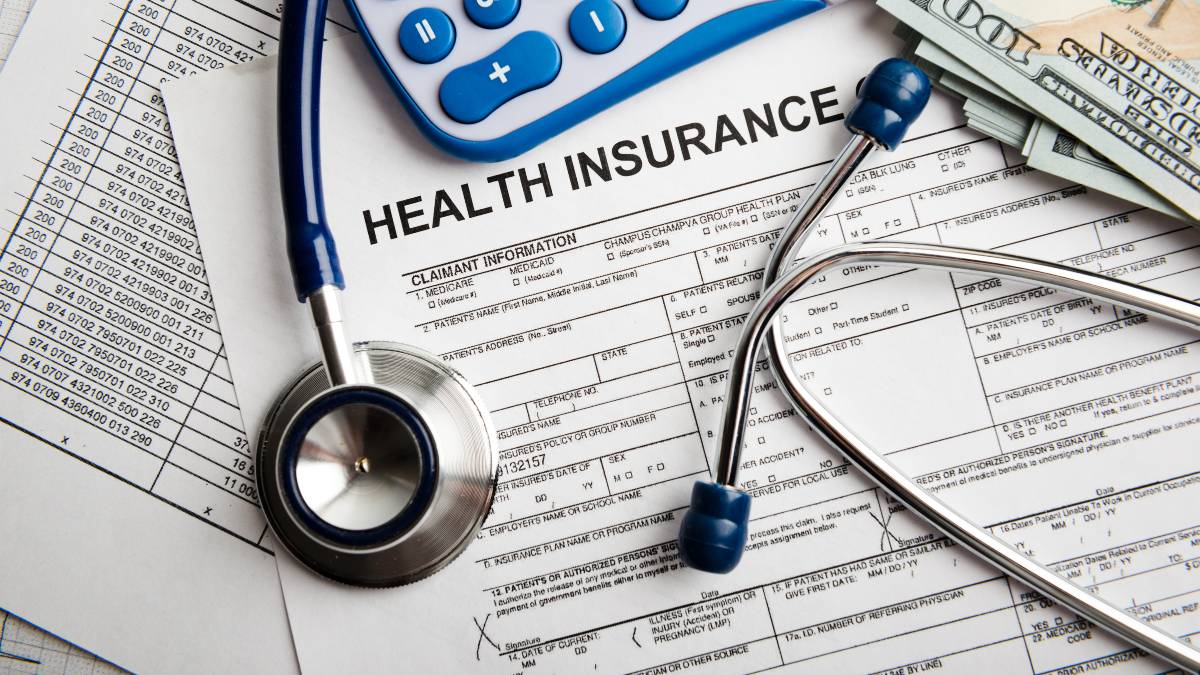


Planning to work, study, migrate, or stay abroad long term? Depending on your destination and visa type, you may need to complete a medical examination before your visa, work clearance, school enrolment, or overseas employment documents are approved.
Medical exams are not required for every traveller. Short-term tourists usually do not need one unless a country, visa category, school, employer, or special health rule specifically requires it. For OFWs, students, long-term visitors, and immigrant visa applicants, health checks are more common.
In this guide, you’ll find a list of common medical examinations for abroad, sample costs in the Philippines, and tips to help you complete your medical smoothly.
We'll also introduce the Wise account, a handy companion to make your money go further with low, transparent fees.
| Table of Contents |
|---|


A medical examination for abroad is a health screening required by a destination country, employer, school, or government process before a person can enter, work, study, or stay overseas. For visa or immigration purposes, the exam usually must be completed with an approved panel physician or accredited clinic.¹
The exam may help confirm that:
The requirement depends on your destination, visa type, length of stay, job, and health history.
OFWs and work visa applicants usually need a medical certificate from a DOH-accredited clinic authorized to conduct medical exams for OFWs. For direct-hire professional and skilled workers, the DMW/POEA checklist includes a valid medical certificate as part of the requirements.⁷
Students may need vaccination records, TB screening, a school health form, or a visa medical, depending on the country and school.
Long-term visa, permanent residence, and immigrant visa applicants are more likely to need a medical exam. For example, U.S. immigrant visa applicants in the Philippines must complete their medical exam with St. Luke’s Medical Center Extension Clinic before the visa interview.⁶
Short-term tourists usually do not need a medical exam. However, one may be required for longer stays, special visas, certain work or study activities, or country-specific health rules.
There is no single standard medical exam for all countries. The exact tests depend on your visa, country, age, job, and clinic instructions. Common exams include:
| Medical exam | What it checks |
|---|---|
| Physical examination | General health, height, weight, blood pressure, heart and lung check, and medical history |
| Chest X-ray or TB screening | Tuberculosis and other lung conditions |
| Blood tests | HIV, syphilis, hepatitis B or C, kidney function, liver function, blood sugar, or other country-specific checks |
| Urinalysis | Kidney issues, urinary tract infections, sugar or protein in the urine |
| Vaccination check | Required or recommended vaccines based on visa type, age, school, or destination |
| Drug test | Usually employer-, agency-, job-, or clinic-specific, not a universal visa requirement |
| Specialist tests | Additional checks if the doctor finds something that needs further review |
For example, SLEC lists Canada visa medical requirements for applicants aged 15 and above as physical examination, chest X-ray, HIV, syphilis, and serum creatinine. Australia visa medical requirements at SLEC vary by age and visa type.⁸
For U.S. immigrant visa applicants, certain vaccinations may be required before visa issuance, unless a vaccine is not medically appropriate.¹⁰
Drug testing should not be assumed as part of every visa medical. Hi-Precision, for example, lists drug testing as optional in some pre-employment packages.¹¹
Medical requirements can change, so always check the official immigration website, embassy instructions, or approved panel clinic before booking your exam.
| Destination or visa type | Possible medical requirements |
|---|---|
| Canada | An immigration medical exam may be required for some temporary residents, long stays, super visa applicants, or jobs where public health must be protected. |
| Australia | Health exams depend on the visa subclass, length of stay, country TB risk, planned work or activities, and medical history. |
| United States immigrant visa | U.S. immigrant visa applicants in the Philippines must complete the medical exam at SLEC before the visa interview. |
| GCC or Middle East work/residence visas | Wafid/Gulf Health Council medical checks may include clinical exam, lab tests, mental status checks, and chest X-ray. |
| Japan medium- to long-term stay | Japan Pre-Entry Tuberculosis Screening applies to certain nationals, including Filipinos, who plan to stay in Japan as mid- to long-term residents, with some exemptions. |
For Japan JPETS, SLEC lists pulmonary evaluation and IGRA for ages 0 to 4, and pulmonary evaluation and chest X-ray for ages 5 and above.
There is no single fixed price for a medical exam for abroad in the Philippines. The cost depends on the destination country, clinic, visa type, age, required tests, vaccines, and whether you need repeat tests or specialist consultations.
As a rough guide, costs can range from a few thousand pesos for basic screenings to around ₱30,000 or more for certain visa medicals and added requirements.
Sample SLEC-listed fees include:
| Visa medical or screening | Sample SLEC-listed fee |
|---|---|
| Australia visa medical, ages 15 and up | ₱7,680 for temporary visa; ₱8,450 for permanent visa |
| Canada visa medical, ages 15 and above | ₱13,270 |
| Japan JPETS, ages 5 and above | ₱8,755 |
| U.S. visa medical, below 15 years old | ₱13,910 |
| U.S. visa medical, ages 15 and above | ₱28,650; SLEC notes ₱29,995 effective July 10, 2026 |
These are examples only. Fees can change, and extra tests, vaccines, psychiatric evaluations, referrals, or specialist consultations may cost more.
You cannot guarantee that you will “pass” a medical exam by preparing the night before. The best approach is to follow instructions and provide accurate health information.
Before your appointment:
During the appointment, follow the clinic’s photo, payment, and document rules. Ask whether results will be sent directly to immigration or given to you in a sealed envelope. Do not open sealed medical results unless instructed.
Not meeting a medical requirement does not always mean automatic rejection. Depending on the country and condition, you may be asked to take more tests, repeat a test, submit specialist reports, complete treatment, sign a health undertaking, or wait for further assessment.
However, some health conditions can affect visa approval, especially if they create a public health risk, public safety concern, or do not meet the destination country’s health requirement. Canada, for example, has health inadmissibility rules for danger to public health, danger to public safety, or excessive demand on health or social services.
Always follow the instructions from the embassy, immigration office, panel physician, or visa officer handling your case.
Validity depends on the country and visa type. Do not assume all medical exams are valid for 3 to 6 months.
Examples:
Because validity can affect your visa timing, schedule your medical exam based on official instructions.
Preparing to go abroad can get expensive. Medical exams, visa fees, document processing, flights, accommodation, and school or work-related costs can add up quickly.
If you need to send money abroad, pay international fees, receive funds, or manage different currencies, compare your options before making transfers.
Wise can help with international money needs when preparing for work, study, or travel abroad.
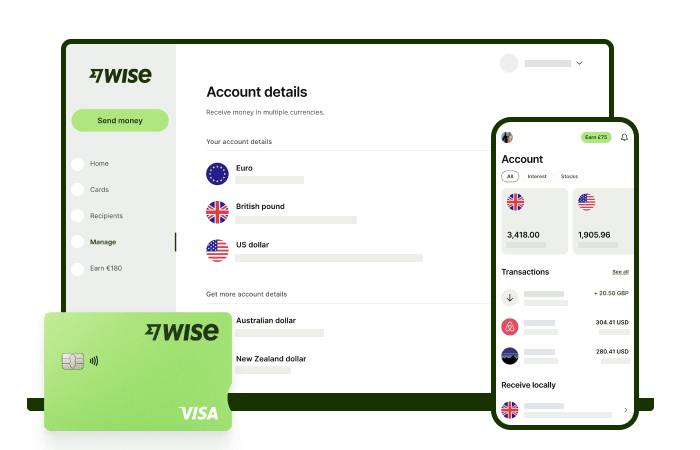
The Wise account is an easy way to hold and exchange 40+ currencies, including PHP, USD, CNY, and more. All you need to do is create a free account to get started.
With Wise, you can exchange currencies at the mid-market rate each time, with low, transparent conversion fees from 0.57% and absolutely no markups. Plus, you can order a Wise card for convenient spending at the same great rate, without any foreign transaction fees.
In supported countries, you can also use Wise to pay with QR codes, which means you can pay like a local without needing cash or a separate local wallet. This can be especially handy when you're travelling in places where QR payments are widely accepted.
At times you need cash, you can also make up to 2 free ATM withdrawals to the value of 12,000 PHP when you're overseas. You'll even get 8+ local account details to get paid conveniently to your Wise account in PHP and a selection of other major global currencies.
Sending money or making payments abroad? Wise also offers fast, low cost transfers to 140+ countries - you can track your transfer in your account and your recipient will also be notified when a transfer reaches them.
✍️ Sign up for a free account now
Common medical tests for abroad include a physical exam, chest X-ray, blood tests, urinalysis, and vaccination review. Depending on your country, visa type, age, job, and health history, you may also need TB tests, HIV and syphilis tests, hepatitis tests, kidney function tests, drug testing, or specialist exams.
There is no fixed price. Basic screenings may cost only a few thousand pesos, while official visa medicals can cost much more. SLEC-listed examples range from ₱3,220 for some Canada applicants aged 0 to 4, to ₱28,650 for U.S. visa applicants aged 15 and above, with a listed increase to ₱29,995 effective July 10, 2026. Extra tests, vaccines, and referrals can increase the total cost.
Focus on preparing properly rather than trying to “pass.” Get enough rest, avoid alcohol, follow clinic instructions, bring the right documents, disclose your medical history honestly, and complete any required follow-up tests quickly.
It depends on the country. Canada and Australia medical results are generally valid for 12 months, U.S. immigrant visa medical reports must be less than 6 months old when entering the U.S., GCC/Wafid certificates are valid for 2 months, and Japan JPETS TB Clearance Certificates are generally valid for 180 days.
In many cases, you may be asked to take further tests, repeat a test, submit specialist documents, or complete treatment before your application continues. Whether you can retake the exam or reapply depends on the destination country, visa type, and medical finding.
Most short-term tourists do not need a medical exam. However, requirements can change depending on the country, visa type, length of stay, public health rules, and your travel history. Always check the official visa checklist before applying.
*Please see terms of use and product availability for your region or visit Wise fees and pricing for the most up to date pricing and fee information.
This publication is provided for general information purposes and does not constitute legal, tax or other professional advice from Wise Payments Limited or its subsidiaries and its affiliates, and it is not intended as a substitute for obtaining advice from a financial advisor or any other professional.
We make no representations, warranties or guarantees, whether expressed or implied, that the content in the publication is accurate, complete or up to date.

Discover the top countries with the most OFWs in 2026. Learn where Filipinos work abroad, salary opportunities, and how to send money home smarter.