Comparing the Best Corporate Cards for NZ Businesses
Looking for the best corporate cards for your New Zealand-based business? We’re covering a few choice options in this business card comparison article.



Kiwis spent a whopping $6.09 billion online in 2024, up 5% from the previous year.1 As e-commerce expands, digital businesses must learn how to accept online payments securely and efficiently.
But with challenges like compliance, fraud, clunky checkouts, and pricey foreign exchange fees, that’s easier said than done. In this guide, we’re covering the most common online payment methods and practical strategies to streamline payment flows.
We’ll also introduce Wise Business, a cost-effective solution for accepting online payments from New Zealand and abroad.
| Table of Contents |
|---|


To add convenience and improve conversion rates, savvy Kiwi traders offer a range of payment options.
Almost all Kiwis have a credit or debit card. Moreover, modern web browsers store their digits for quick access, making cards convenient and accessible for everyone.
But the method requires some effort from the seller. A merchant account with your bank may be needed. You may also need a payment gateway, a third-party portal that temporarily redirects customers and handles compliance and security.
Consumer convenience comes at the cost of payment gateway and merchant service fees (MSF). Rates vary between providers, but you can expect the following per-transaction card fees for a low-risk category:
Popular digital wallets, such as Apple Pay, Google Pay, Samsung Pay, and PayPal, facilitate secure card payments at similar rates through payment gateways.
Receiving payments from a local New Zealand bank account is free. Same-bank transfers generally arrive instantly, while most interbank transfers finalise within an hour. The downside is that bank transfers require more effort for customers, and you may need a system to monitor and reconcile incoming payments.
Zero fees mean domestic bank transfers are popular for larger, high-value orders. Online service providers, such as accountants and designers, also commonly use them to bill clients.
International transfers can be pricey. Most banks charge between $5 and $35 per overseas transfer and mark up the foreign exchange rate by 1-2%. Banking alternatives, like Wise Business, use the mid-market exchange rate to offer a lower price.
Buy Now, Pay Later (BNPL) services, such as Afterpay, allow consumers to purchase an item and pay it off in installments. The BNLP provider pays the retailer in full upfront and collects payments from the customer at pre-determined times. The buyer generally won’t pay interest, but may be subject to various fees.
BNPL services appeal to customers who don’t want to pay for an item upfront, or simply can’t afford to. Offering this payment method may improve conversion rates.
The catch for merchants is that fees are a fair bit higher than cards or e-wallets. Most BNPL services charge 4-7% of the total order value plus a fixed fee of approximately $0.30.
Like cards, BNPL is often processed through a third-party payment gateway.
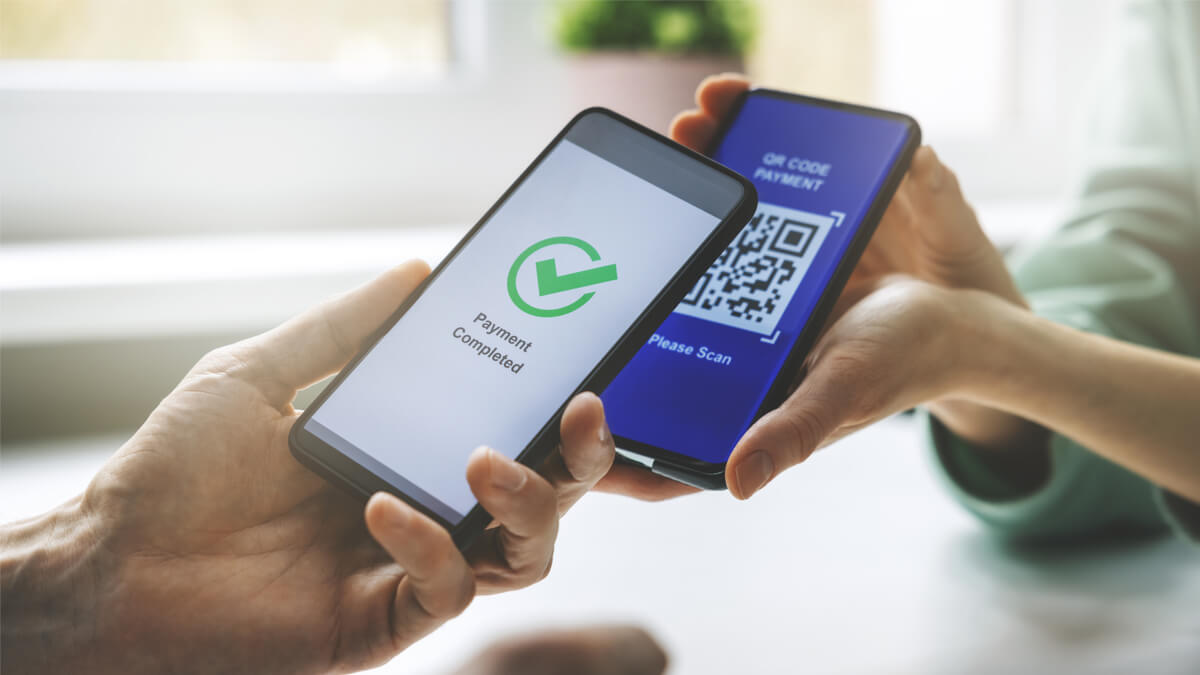
A little strategic thinking goes a long way for reducing friction and minimising cart abandonment.
The internet is brimming with fraudsters wielding stolen credit card numbers and hackers scoping their next data breach. Adopting best practices can help avoid costly losses.
Online businesses may wish to partner with PCI DSS-compliant (Payment Card Industry Data Security Standard) providers, implement MFA, set strong, unique passwords, and adopt HTTPS and the latest SSL security protocols. Web app firewalls, anti-virus software, regular monitoring, and external vulnerability scans also strengthen security.
Consider running a background check on select personnel and providing basic cybersecurity training. Some financial service providers offer fraud-monitoring tools to stop fraudulent transactions in their tracks.
Kiwi companies must comply with New Zealand legal requirements when trading online. The Privacy Act 2020 sets guidelines for handling personal information. Requirements include only collecting what you need, explaining how, why, and when data is collected, and keeping personal information safe.3
The Fair Trading Act 1986 prohibits misleading pricing, hidden fees, inaccurate descriptions, sneaky surcharges, and unfair contractual terms.4
Here’s a step-by-step breakdown on how to accept payments online, regardless of your chosen method.
There are some hurdles to consider when accepting online payments.
For New Zealand-based online businesses trading abroad, Wise Business offers a cost-effective alternative to payment gateways. Our low, transparent international transfer fees let you pay suppliers at the mid-market exchange rate and see exactly what you’ll pay upfront – no hidden markups.
Wise Business also provides useful tools for receiving online payments, including cross-currency accounts, automated invoices, and QR codes.
Cross-currency accounts
A one-off $40 fee lets you open a multi-currency account to move funds in 21+ currencies just like a local. Send invoices to overseas clients that they can pay in their own currency. The mid-market exchange rate applies when converting currencies.
Accepting card payments
While it’s not a payment gateway, Wise Business offers a range of tools for receiving card payments at reasonable rates – no coding required. Domestic and international customers can pay by card through invoices, QR codes, or payment links.
QR codes & payment links
Send a secure QR code that opens a payment link customers can use to settle their bill instantly by card. Alternatively, send through a simplified payment link instead.
Invoices
Generate polished, professional-looking invoices with a few clicks. Clients can choose to pay them by card or through a localised bank transfer directly into your Wise account. Invoices automatically calculate GST to make tax time easier.
Software integrations
Wise Business integrates with the top accounting programs, including QuickBooks, Xero, and Zoho Books. Freelancers and e-Commerce entrepreneurs can trade on big global marketplaces – Amazon, Etsy, and Upwork – without inflated FOREX fees.
Expanding a business globally opens up exciting opportunities, but also new challenges like receiving payments across borders. Hidden foreign transaction fees and hefty currency conversions involved with international payments can eat into your profits and time.
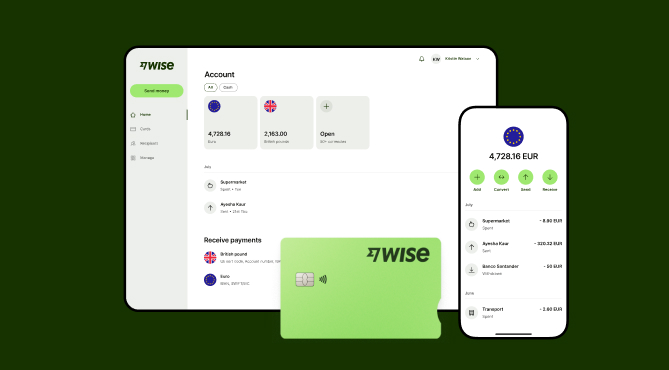
Wise Business serves as a cost-effective solution where you can receive money from around the world at the speed and price of local payments.
Transform the way you receive payments with Wise Business:
Sign up for the Wise Business account! 🚀
This is not financial or investment advice - Wise has not taken into account your objectives, financial circumstances or needs and you should consider if it is appropriate for you.
1. How can businesses in New Zealand best accept payments online?
New Zealand businesses can receive funds through payment portals; or QR codes and payment links from alternatives like Wise Business.
2. What are the safest ways for New Zealand businesses to accept payments from international customers?
One of the safest ways to accept overseas payments is through a bank transfer where PCI compliance and fraud detection are in place.
Sources:
*Please see terms of use and product availability for your region or visit Wise fees and pricing for the most up to date pricing and fee information.
This publication is provided for general information purposes and does not constitute legal, tax or other professional advice from Wise Payments Limited or its subsidiaries and its affiliates, and it is not intended as a substitute for obtaining advice from a financial advisor or any other professional.
We make no representations, warranties or guarantees, whether expressed or implied, that the content in the publication is accurate, complete or up to date.

Looking for the best corporate cards for your New Zealand-based business? We’re covering a few choice options in this business card comparison article.

We’re covering everything the Kiwi business owner needs to know about EFT payments, from definitions to benefits, types, and challenges.