

Currency in Brazil: What you need to know

With its beautiful beaches and vibrant culture, it's no wonder you're drawn to the South American country of Brazil. It's different from Ireland in many aspects, from food and music to climate and currency.
Brazil doesn't use the Euro, so if you need to send or spend money there, you'll need to work around that. We're going to look at the currency in Brazil, how you can convert your euros, and how the Wise Account can help you do that.
Pay and withdraw money in Brazil
with Wise 🌍
What is the currency in Brazil?
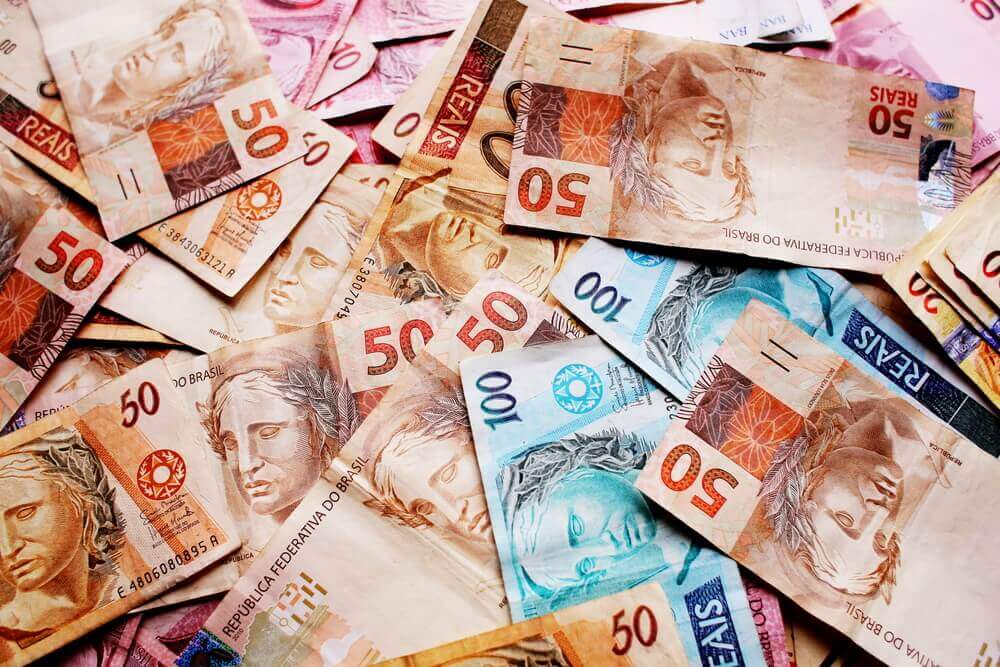
Since 1994 the currency of Brazil has been the Brazilian Real. It’s represented by the symbol R$ and the currency code on the foreign exchange market is BRL. One real is made up of 100 units they call centavos, the same as one euro can be broken down into 100 cents.¹
When it comes to physical money Brazil uses coins for the smaller denominations and notes for larger denominations. Here’s what you’ll come across if you visit.
| Brazilian Coins | Brazilian Notes |
|---|---|
Can you pay in Euro in Brazil?
In Brazil the only currency merchants are legally able to accept is the Brazilian real. This means you’ll have to convert your Euros before you can spend any money.²
How to convert Euro to Brazilian real?
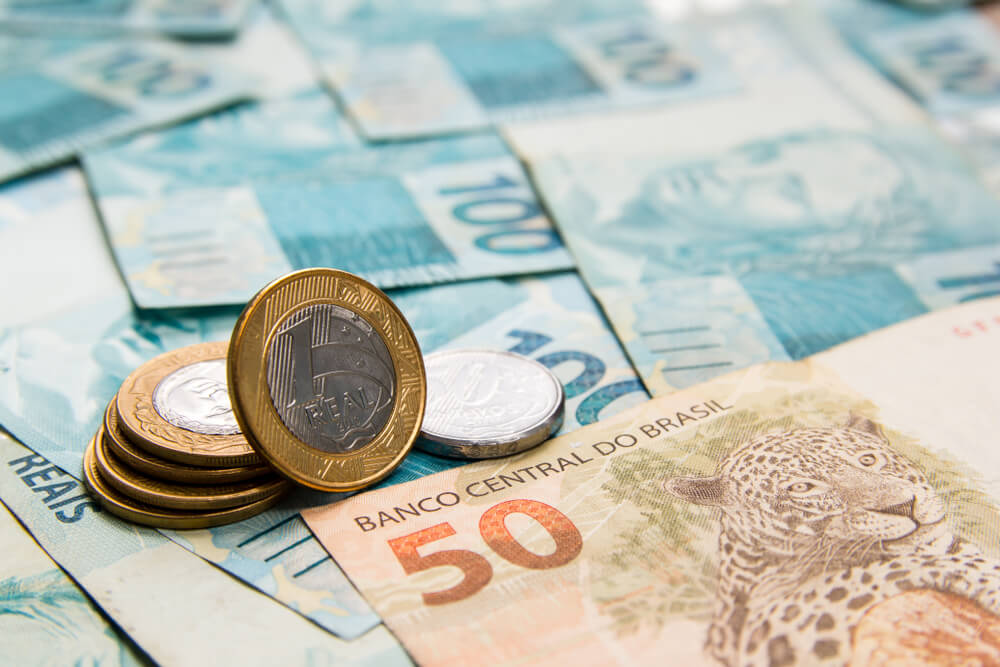
There are many ways you can convert Euros to Brazilian real, with some being more cost effective than others.
Getting Brazilian real in Ireland
At places like Western Union, a currency exchange office or bank it may be possible to get Brazilian cash before you leave Ireland.
Important: To enter Brazil carrying more than the equivalent of R$10,000, travellers must submit the “Traveler’s Electronic Declaration of Goods (e-DBV)” to Customs, declaring the amount held in cash, checks, and travellers checks.²
Make sure you look into the fees and exchange rate before doing this, as it can get quite expensive, and it might be cheaper to convert it after you arrive.
Exchanging cash in Brazil
If you bring Euro in cash you’ll need to convert it at a foreign currency exchange office that’s been authorised by the Central Bank of Brazil.²
When exchanging cash it’s a good idea to compare the rates and fees at a few places to make sure you’re getting the best value for money. Also, keep in mind that these establishments often rely on an exchange rate markup to make their profit.
Before you go, it's worth checking the official rate for comparison. You can do this by checking the Wise currency converteronline tool, for example, where you'll see the mid-market exchange rate values updated every minute.
| 🔎 Read also: Can I use my Revolut card abroad? |
|---|
Card conversion
During your time in Brazil you may be able to pay for items using your bank card. When you do this, your bank will exchange Euro for Brazilian real at an exchange rate that’s determined by the bank and any fees for the transaction are also applied.
If you have a Wise Account you can order a Wise debit card and use that for your daily spending in Ireland and in 150+ countries.
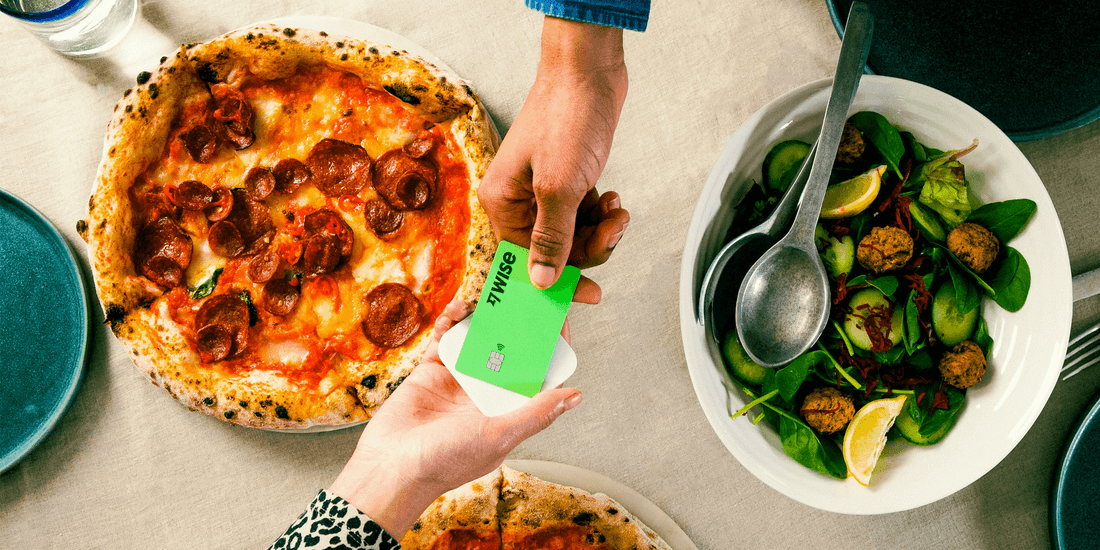
The euros in your account will be automatically converted to local currency and Wise applies a conversion fee. You'll always get the mid-market exchange rate when doing conversions, with no markups or hidden fees, which might not happen with some traditional banks.
Whenever you spend with the Wise card, you'll get a notification on your phone confirming the amount and any conversion fees. So you can always know how much you are spending in both currencies.
Open your Wise Account
and order a debit card 💳
ATM withdrawal in Brazilian real
Using your bank card you can withdraw cash from a Brazilian ATM. When you do this you’ll often be asked whether you want to be charged in your home currency or Brazilian real.
If you choose your home currency the ATM will determine the exchange rate in what’s called a Dynamic Currency Conversion (DDC).
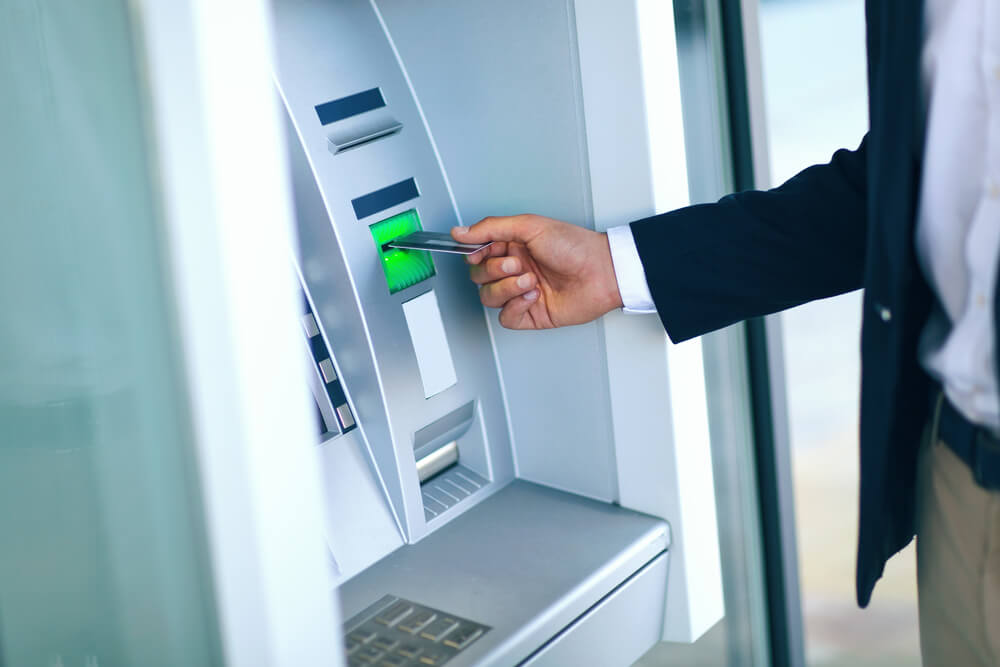
⚠️ While it might be easier to know what you’re paying, the problem with DDC is it can end up being more expensive due to additional fees and the ATMs exchange rate (which is normally not the most favourable one), plus you’ll still get charged any foreign transaction fees that apply to your card.³
Alternatively, if you're charged in Brazilian real, your bank will take care of the conversion. If you’re with a provider that offers a fair exchange rate this can be a cost effective way to get Brazilian cash.
Using a Wise debit card, you can withdraw cash at most foreign ATMs. You'll exchange your at the mid-market rate, which is the middle point between the buy and sell point on the global currency market.
With Wise, you can make free ATM withdrawals up to €250 each month, with no limit on the number of withdrawals. After that, a 2.69% fee applies. Check below:
| Wise ATM withdrawals fees | Less than 250 EUR per month | More than 250 EUR per month |
|---|---|---|
| Any number of withdrawals | Free | 2.69% of the amount over 250 EUR |
🔎 Important: ATM providers can charge international cards a fee for withdrawing money. Always keep an eye on that.
Please see Terms of Use for your region or visit Wise Fees & Pricing for the most up to date pricing and fee information.
Send Brazilian real online
If you are not planning to visit Brazil but need to send money to someone in the country, you can do it online through a bank transfer or using a money transfer specialist.
If you send money online through your bank they’ll generally use the SWIFT system to transfer money to a foreign bank. There are fees for this so again it’s best to check your bank's fee schedule to see what a transfer will set you back.
The other option is using an international money transmitter such as Wise. When you send money with Wise you’ll know the exchange rate and all of the fees upfront, before you commit to the transfer.
Facts about Brazil currency
Here’s few more things to know about Brazilian currency:
- Each Brazilian bank note is a different size and colour to help make it easier for people with impaired vision to tell the difference.¹
- The current series of real has a number of security features to help prove authenticity including a holographic strip, security thread and colour changing numbers.⁴
Sources used:
- Corporate Finance Institute - Brazilian Real (BRL)
- Banco Central Do Brasil - Traveling to Brazil
- Forbes - What Is Dynamic Currency Conversion And How To Avoid Paying It
- Banco Central De Brasil - Second Series of Real
Sources last checked on date: 12 July 2023
*Please see terms of use and product availability for your region or visit Wise fees and pricing for the most up to date pricing and fee information.
This publication is provided for general information purposes and does not constitute legal, tax or other professional advice from Wise Payments Limited or its subsidiaries and its affiliates, and it is not intended as a substitute for obtaining advice from a financial advisor or any other professional.
We make no representations, warranties or guarantees, whether expressed or implied, that the content in the publication is accurate, complete or up to date.