Best Dublin currency exchange places (2024)
Find your way around Dublin currency exchange.


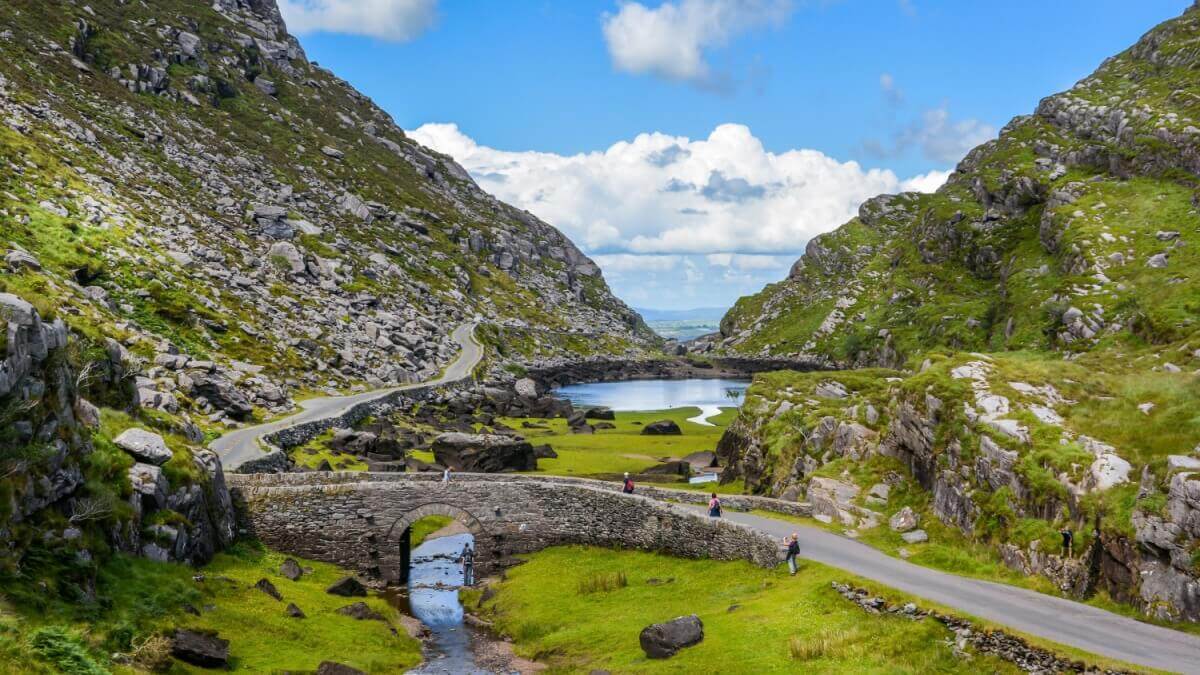
Planning a road trip to Ireland? It’s a beautiful country, with plenty to see, and having your own vehicle can mean the journey is as much fun as the destination itself.
But what do you need to know about driving in Ireland as an American? This guide walks through everything so you’re ready to arrive, collect your vehicle, and hit the open road.

Yes. If you have a valid US driving license you can use this in Ireland for a visit of up to 12 months as a tourist¹. If you want to you can also get an international permit through the AAA, but this is not strictly necessary.
If you’re going to be in Ireland for longer than a year you’ll need to convert your license to a local one to drive legally.
If you need to exchange your US license for an Irish license you can do so in person at an Irish National Driving License Service Center.
There’s a fee of 55 EUR for exchange - and some people may also be required to take medical or eye tests².
It’s important to read up on the driving laws in Ireland before you drive there. You can find lots of helpful information online³, including the full rules of the road.
| Some particular notes to be aware of: |
|---|
|
Motor insurance is mandatory in Ireland. If you’re hiring a car on arrival, the vehicle hire company will talk you through your options as you can often upgrade from the minimum insurance required for peace of mind.
Third party insurance is the minimum cover needed to drive legally⁵, but selecting comprehensive insurance with low excess fees can be a smart move and will mean you don’t need to worry so much about being out of pocket in the event of an accident, theft or other problems.

Withdrawing your travel money with a card once you arrive in Ireland will usually get you a more favorable exchange rate compared to changing cash in the US. Choose a Wise account and card, and you could get an even better deal on spending and withdrawals in Ireland.
Wise Accounts can hold 40+ currencies and always offer the mid-market exchange rate for spending and withdrawals*.
That means you can top up your Wise Account in dollars, and switch to [currency] as and when you need to — or have the Wise card auto convert to the currency you need with the lowest available fee for convenience.
It’s free to open a Wise Account online or in the Wise app, with no minimum balance and no monthly fee — take a look today to see how much you can save.
Let’s walk through a few important considerations before you get behind the wheel of a vehicle in ireland.
In Ireland you drive on the left unless you’re overtaking. If you’re not used to driving on the left, it may be worth spending a little time on quieter roads before you make any longer trips, to get accustomed to the different feel of the car.
Irish road signs are usually easy enough to understand - but don’t be surprised to see a mixture of English and Gaelic language being used. In some areas, you’ll only see Gaelic used, so reviewing the most important signs you may come across in advance is definitely a smart plan.
It’s also important to remember that in Ireland you’ll see lots of roundabouts at intersections. Make sure you understand the priority on a roundabout to avoid confusion or even accidents.
In an emergency call 999 to get help from the police, ambulance or other emergency services. If you have a minor accident you’ll need to swap insurance details with the other party, and get each other’s contact details in case there is follow up needed by the insurers.
Irish weather is famously changeable. In poor conditions - such as heavy rain or fog - you’ll need to drive very defensively. If weather changes suddenly - particularly with ice or snow - road surfaces may not be treated in time, making conditions dangerous. Keep an eye out for weather forecasts and adjust your plans accordingly.
| Driving safely in Ireland: tips and tricks |
|---|
|
There are many different car rental companies in Ireland, including many global brands you might be familiar with already.
Most major brands have a presence in Irish airports, and you may also be able to hire to collect and drop off in different locations if you’re planning a longer trip and don’t need the car for the full time.
Check out options like Enterprise®⁶ and Hertz®⁷, and take a look at the airport you’re flying into to see which brands are represented there.
You’re pretty spoiled for choice for where to go - so you may need to decide simply based on how much time you have.
If you’re planning an epic trip, the Wild Atlantic Way⁸ might appeal. It’s a staggering 2,500 km long, down the west coast of Ireland, on the very edge of Europe.
While you may not be able to take in the full stretch, you could consider doing a segment or two - depending on where you want to focus on you could fly into Cork, Shannon, Ireland West or Donegal, or go overland from Dublin.
If you’re looking for something a little shorter, consider the Braveheart drive in Wicklow⁹. The film Braveheart may have been about Scotland, but a lot of it was actually filmed in Ireland - this route takes in many of the places that the film Braveheart was filmed on a scenic wander which is easily accessible if you fly into Dublin airport.
Another film inspired drive could take you to the Dingle Peninsula¹⁰ - where some of Star Wars was filmed. Technically part of the Wild Atlantic Way, this is a manageable 50 km or so, giving you plenty of time to check out some other areas as well. For this section of the Wild Atlantic Way flying into Kerry is usually the most convenient option.
There’s no shortage of places you could pick for a scenic road trip in Ireland. Whether you want to get right out into the wild, or cover some of the towns and cities along the way, there are many different routes which are easily manageable once you’ve figured out driving on the left.
Use this guide to start your research and be sure to read up on the rules of the road before you get behind the wheel so your trip goes off without any incident.
Sources:
Sources checked on 05.24.2024
*Please see terms of use and product availability for your region or visit Wise fees and pricing for the most up to date pricing and fee information.
This publication is provided for general information purposes and does not constitute legal, tax or other professional advice from Wise Payments Limited or its subsidiaries and its affiliates, and it is not intended as a substitute for obtaining advice from a financial advisor or any other professional.
We make no representations, warranties or guarantees, whether expressed or implied, that the content in the publication is accurate, complete or up to date.

Find your way around Dublin currency exchange.

If you’re headed on a trip to the Emerald Isle, you can expect to be able to use most international debit and credit cards. However, it’s always a good idea...

Ireland’s tourists have grown steadily throughout the years, with over 7.5 million annual overseas visitors. While many hail from mainland Europe, Ireland is...