Best Time to Visit Korea from The Philippines: What to do, weather, visas, and more
Wondering when the best time to visit Korea from the Philippines is? Learn more about weather, seasons and what to do throughout the year in Korea.


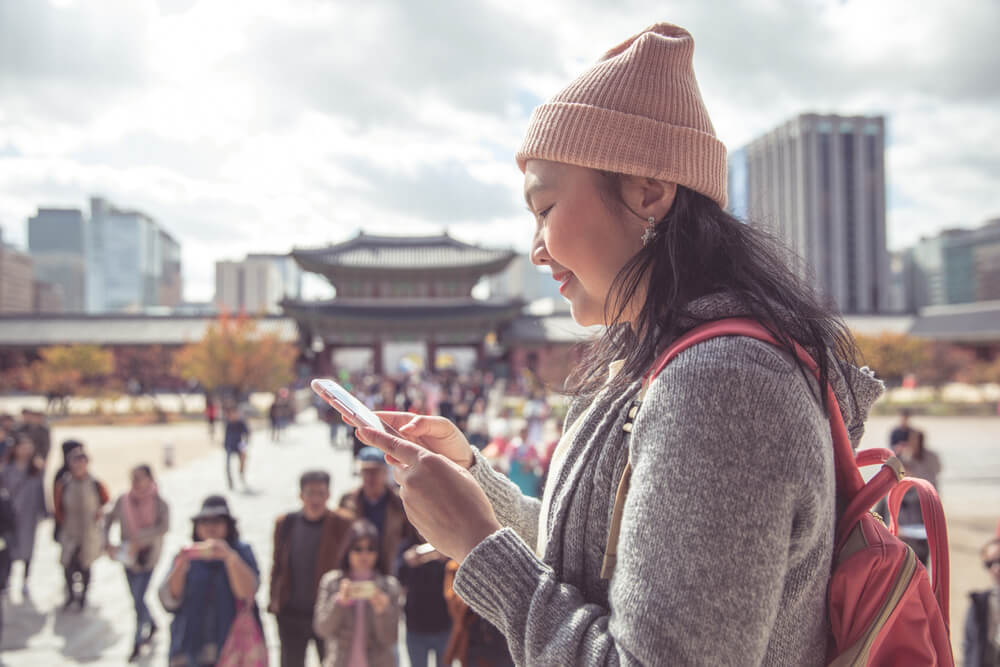


South Korea can fit very different trips into one holiday: palaces and shopping districts in Seoul, a nature day outside the capital and coastal neighbourhoods in Busan.
Planning a South Korea trip from the Philippines? This 8-day Korea itinerary gives first-time visitors enough time in Seoul and Busan without squeezing in Jeju or another city. The route starts and ends at Incheon International Airport (ICN), with a return to Seoul one day before the flight home.
Before booking, read our guide to South Korea visa requirements for Filipinos. The current tourist-visa and arrival requirements are also summarised below.
We'll also introduce the Wise card, a handy travel companion to make seamless card payments when you're overseas.
| Table of Contents |
|---|


Seven days can work for Seoul and Busan, but returning from Busan on the same day as an international flight from Incheon may feel rushed. Eight days gives you a buffer night in Seoul.
Choose the version that matches your plans:
Seoul and Busan are both large enough for separate holidays. Combine them only if you’re comfortable changing hotels and taking two intercity train journeys.
For this route, book a round trip between the Philippines and Incheon. Compare the total fare and check the terminal.
From ICN, Airport Railroad, airport buses and taxis connect the terminals with Seoul. Check the airport’s current transport information and the final service if you land late.⁵
Arriving in Seoul and departing from Busan may save a train journey if suitable flights are available. Compare the total fare and connections; don’t assume a convenient nonstop Busan–Philippines flight will operate on your date.
Most Filipino tourists also need to pay Philippine travel tax unless exempt or eligible for a reduced rate. Confirm whether it’s included in the ticket.⁴ Read our guide to Philippine travel tax.
Spend five nights in Seoul and two nights in Busan, with the final night back in Seoul before your flight. This route groups the main sights by area and gives Nami Island and coastal Busan dedicated days.
| Day | Main activities | Overnight |
|---|---|---|
| Day 1 | Arrive in Seoul and explore near the hotel | Seoul |
| Day 2 | Gyeongbokgung, Bukchon and Insadong | Seoul |
| Day 3 | Nami Island day trip | Seoul |
| Day 4 | Seongsu, the Han River and Hongdae or Myeongdong | Seoul |
| Day 5 | KTX to Busan, Gamcheon and Nampo-dong | Busan |
| Day 6 | Haedong Yonggungsa, Haeundae and Gwangalli | Busan |
| Day 7 | Return to Seoul and final shopping | Seoul |
| Day 8 | Airport transfer and departure | — |
The summary below covers the trip’s main logistics, including the airport, hotel split, transport and overall pace.
| Detail | Suggested plan |
|---|---|
| Duration | 8 days and 7 nights |
| Arrival airport | Incheon International Airport |
| Departure airport | Incheon International Airport |
| Hotel split | 5 nights in Seoul and 2 nights in Busan |
| Main areas | Seoul, Nami Island and Busan |
| Local currency | South Korean won (KRW) |
| Main transport | Subway, buses, Airport Railroad, KTX and taxis |
| Travel style | Moderate to busy, with one hotel change and one day trip |
Budget for flights, seven hotel nights, KTX fares, food, local transport, attractions, visa costs, insurance, data, shopping and emergencies.
These current official prices can help with a small part of the budget:⁶ ⁷
| Example expense | Indicative price |
|---|---|
| T-money transport card before adding credit | 3,000 KRW |
| Standard adult Seoul subway journey using T-money | From 1,400 KRW |
| Gyeongbokgung adult admission | 3,000 KRW |
KTX and Nami Island prices depend on the service, date or ticket. The figures above were viewed on 7 August 2026. Use the current KRW to PHP rate when budgeting in pesos.
Allow time for immigration, baggage collection and the journey from ICN. Choose Airport Railroad, bus, taxi or a transfer based on your hotel and arrival time.⁵
Myeongdong, Hongdae, Jongno and Seoul Station are practical bases. Myeongdong and Jongno suit the historic centre, while Hongdae works well for Airport Railroad access and evenings out.
Leave your luggage at the hotel if the room isn’t ready. Keep the afternoon flexible for delays.
Stay within one neighbourhood and have dinner nearby. Try barbecue, bibimbap, fried chicken or noodles.
After a late arrival, skip timed attractions. Buy or load a transport card and check the palace hours.
Start at Gyeongbokgung Palace. Adult admission is currently 3,000 KRW, and it closes on Tuesdays. Check its seasonal hours.⁷
Allow at least two hours. If renting hanbok, compare the duration, return time, deposit and included accessories.
Continue to Bukchon Hanok Village and Insadong. Bukchon is residential, so keep noise down and follow access rules.
Have lunch around Insadong or Ikseon-dong, then browse craft shops, cafés and side streets. You could replace part of the walk with a nearby museum.
Shop or eat in Myeongdong. Compare skincare prices, check tax-refund conditions and remember baggage limits.
Leave early. Travel independently by rail and local transport or book a guided tour. Compare the meeting point, inclusions, cancellation terms and number of stops.
Nami Island admission includes the ferry fare. Check the official visitor information for current tickets, ferry arrangements and weather notices.⁸
Walk the island’s paths and waterfront. Some tours add a rail bike, garden or another Gapyeong attraction.
More tour stops usually mean less time at each place, particularly with weekend traffic.
Eat near your hotel after returning. Avoid a non-refundable evening booking after a day tour.
Alternatively, use this day for Suwon, a DMZ tour or more of Seoul.
Start around Seongsu for cafés, shops and pop-ups, then walk through Seoul Forest. As temporary events change, keep specific stores optional.
Choose a slower Han River stop or continue to Gangnam. There, focus on one area such as COEX, Bongeunsa or Gangnam Station.
Choose Hongdae for food and nightlife or Myeongdong for shopping. Pack for Busan, keeping valuables and medication in your hand luggage.
Travel to Seoul Station and take a direct KTX to Busan. Reserve through KORAIL, especially around weekends and public holidays.⁹
Leave your bags at the hotel. Nampo-dong or Seomyeon suits Day 5, while Haeundae is convenient for Day 6. Choose based on your priorities.
Travel to Gamcheon Culture Village, allowing for hills, steps and local buses. Respect its residential spaces.
Continue to Nampo-dong, BIFF Square or Jagalchi Market if time allows. Save Haeundae for Day 6.
Eat around Nampo-dong, Jagalchi or Seomyeon, checking the last bus or train.
Start early at Haedong Yonggungsa. Allow extra travel time, wear practical shoes and dress respectfully.
Continue to Haeundae. Choose the beach, Dongbaekseom or a booked coastal attraction rather than rushing through every stop.
For the Sky Capsule or another timed experience, reserve with the official operator and check the boarding station. Weather can affect coastal plans.
Finish around Gwangalli for dinner and check the route back before staying late.
Leave enough time to reach Busan Station and find the platform. Keep the KTX ticket accessible and check for service notices.⁹
Returning on Day 7 creates a useful buffer before the international flight.
Check into your final Seoul hotel or leave your bags. Shop around Myeongdong, Namdaemun, Hongdae or a department store based on what remains on your list.
Pack purchases, confirm baggage limits and keep tax-refund receipts with eligible goods.
Leave for ICN with enough time for the airport journey, check-in, security, immigration and any tax-refund steps. Check Airport Railroad or airport-bus schedules for your terminal.⁵
Avoid distant sightseeing on departure day. A nearby breakfast or short walk is reasonable when you have a later flight.
Complete or update Philippine eTravel within 72 hours before returning.³ Save the QR code and keep your passport, boarding pass and baggage receipt accessible.
Use these practical tips to plan when to visit, prepare your visa and entry documents, get around and stay connected during your trip.
South Korea has four seasons. Spring and autumn are generally mild, summer is hot and humid, and winter can be cold and dry. The rainy period overlaps part of late June and July.¹⁰
Weather differs by season and between Seoul and Busan, so check both forecasts when packing. Comfortable shoes and layers are useful for long outdoor days.
Philippine passport holders generally need a visa before travelling to mainland South Korea for tourism. Check the Korean Embassy in the Philippines for the latest C-3-9 tourist-visa requirements, application channel and supporting documents.¹
Requirements vary and can change. If an itinerary is requested, use your genuine flights, accommodation and plans. Avoid non-refundable bookings solely for a visa document unless the instructions require them.
Korea’s official e-Arrival Card is free and can be submitted within three days before arrival. The site includes a navigator for checking whether you need to submit one; some travellers and group-visa holders are exempt.²
Complete Philippine eTravel within 72 hours before leaving the Philippines and before returning.³
Information checked on 7 August 2026.
Seoul and Busan have extensive subway and bus networks. A T-money card can simplify journeys, but some top-ups may require cash.
Use KORAIL’s official English website for Seoul–Busan train schedules and reservations.⁹ Tickets can sell out around holidays, so don’t leave a fixed intercity journey until the last minute.
If your phone supports eSIMs and isn’t locked, compare data, validity, hotspot rules and activation. Save hotel addresses and train bookings offline.
See our guide to the best eSIMs for international travel.
Plan how you’ll pay and what you want to bring home, as payment options can vary between hotels, department stores, restaurants, markets, transport services and smaller businesses.
Popular pasalubong includes skincare, makeup, snacks, stationery and K-pop merchandise. Check baggage and Philippine customs rules before buying large quantities.
Read our guide to what to buy in Korea.
Carry both. Cards are useful in hotels, department stores, convenience stores and many restaurants. Cash can still help at traditional markets, smaller businesses and when loading some transport cards. South Korea uses the South Korean won (KRW).
An ATM or terminal may offer to convert your payment into PHP. This is dynamic currency conversion (DCC), where the operator uses its own exchange rate, which may include a markup or fee.¹¹
To decline DCC, choose KRW, “local currency” or “without conversion”. Your card provider will handle the conversion, although its usual overseas or withdrawal fees may still apply.
Learn more about using cash or card in South Korea.
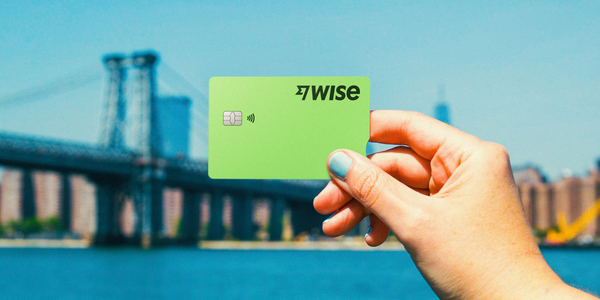
The Wise card lets you spend in 40+ currencies at the mid-market rate including USD, SGD, GBP, and JPY so you know you'll be getting a great deal in over 150+ countries. Simply create a free Wise account, order a card and top-up PHP to get started.
A physical Wise card can be ordered for a low fee of 369.60 PHP. Having a physical Wise card allows you to make chip and pin payments, as well as 2 free ATM withdrawals to the value of 12,000 PHP each month, before low fees start.
In supported countries, Wise also lets you pay with QR codes, giving you another easy way to pay when cards or cash aren't your first choice. That means you can use Wise for card payments, cash withdrawals, and QR payments, all from the same account.
While abroad, you can choose to spend directly in PHP and let auto-conversion do the trick, or convert to your desired currency with your Wise account. Either way, you’ll get the exchange rate you see on Google, with low, transparent fees from 0.57%.
Yes. It gives you four sightseeing days in and around Seoul, two nights in Busan and a buffer night before flying home.
Generally, yes. Check the Korean Embassy in the Philippines for current C-3-9 tourist-visa requirements.¹
Yes. Allow five or six days for Seoul and three or four for Busan. This means fewer hotel changes and more time in each city.
Consider Myeongdong, Hongdae, Jongno or Seoul Station in Seoul, and Nampo-dong, Seomyeon or Haeundae in Busan. Stay near public transport.
Not in eight days. Adding Jeju would require another flight and hotel change, leaving less useful time in Seoul and Busan. Add at least two or three days or save Jeju for another trip.
You can adapt it using your genuine dates, flights, accommodation and planned activities. Check the latest official document checklist and submit only information that matches the trip you intend to take.
Sources:
*Please see terms of use and product availability for your region or visit Wise fees and pricing for the most up to date pricing and fee information.
This publication is provided for general information purposes and does not constitute legal, tax or other professional advice from Wise Payments Limited or its subsidiaries and its affiliates, and it is not intended as a substitute for obtaining advice from a financial advisor or any other professional.
We make no representations, warranties or guarantees, whether expressed or implied, that the content in the publication is accurate, complete or up to date.

Wondering when the best time to visit Korea from the Philippines is? Learn more about weather, seasons and what to do throughout the year in Korea.

Learn more about Korean visa application and requirements, and find out if South Korea is visa-free for Filipinos.

Wondering what things to buy in Korea before going back to the Philippines? Find out more about what pasalubong you should get.