International transfers with ABANCA: fees, times and alternatives
Sending an international transfer with ABANCA? Learn about transfer limits, hidden exchange rate markups, and how to save money by comparing with Wise.


If you are an expat, freelancer, or resident living in Spain, you have probably noticed that Revolut is everywhere. It’s no longer just a niche travel card for holidays.
Today, many residents use Revolut for everyday Spanish banking, from sending money via Bizum to receiving their monthly salary through instant SEPA transfers1.
But can it really replace a traditional Spanish bank? This guide covers everything you need to know: how to open a Revolut account in Spain, how the card works for daily life, what fees to watch for, and when you may still want a traditional Spanish bank account. It also covers when Wise may be the best option for international transfers and holding multiple currencies.
| Key Topic | Summary |
|---|---|
| Using Revolut | Revolut cards are widely accepted anywhere Visa or Mastercard is accepted, including shops, restaurants, online stores, and many ATMs. |
| Opening an account | You apply through the Revolut app and verify your identity with documents. Residents may need to provide ID and residency details. |
| Fees | Standard includes free ATM withdrawals up to €200 or 5 withdrawals per month2, and weekday FX without extra fees up to €1,000 per month3 |
| Main account or backup account? | Revolut works well for spending, transfers, and salary payments, but some may want a traditional Spanish bank for mortgages4. |
Absolutely. Revolut is incredibly popular in Spain, and its Visa and Mastercard debit cards are accepted almost universally. You can link your Revolut card to Apple Pay, Google Pay, or your preferred mobile wallet immediately and use it for your daily Spanish expenses:
For most residents, Revolut works well for normal daily spending in euros. You can top up your account, receive transfers, and spend directly from your balance.
However, keep in mind potential limitations. Automated petrol stations, car rental agencies, and hotel deposits may require a traditional credit card rather than a debit card like Revolut.
Setting up Revolut in Spain is fast and entirely app-based.
If you’ve just moved to Spain, the exact documents accepted depends on whether you are an EU citizen, a non-EU resident, or still completing your residency paperwork.
In practice, it’s best to check the in-app instructions during signup, since document requirements and review times can change.
| 👀 Read more: Revolut or Wise? All you need to know |
|---|
Using Revolut in Spain is highly localized now. Here is how it handles day-to-day finances:
Revolut operates on a freemium model6. While the Standard plan has no monthly cost, it comes with strict “fair usage” caps.
If you upgrade to Plus, Premium, Metal, or Ultra, your limits increase, and perks like travel insurance or cashback unlock6.
It’s important to understand how the pricing system works so you don't get caught out:
| Feature / Fee | Standard Plan | Premium Plan | Metal Plan |
|---|---|---|---|
| Monthly fee | Free | €9.99/month | €15.99/month |
| Free ATM withdrawal limit | €200/month or 5 withdrawals2 | Higher ATM allowance | Higher ATM allowance |
| FX fees | Weekend and fair usage FX fees may apply3 | Fewer FX restrictions | Reduced FX fees |
| Physical card delivery fees | May apply | Usually included or reduced | Usually included |
| Best for | Casual users and basic spending | Frequent travelers | Heavy international users |
Because Revolut updates its plans and limits from time to time, it’s always worth checking the latest pricing in the app or on the official Spain pricing page before signing up6.
Yes, and in 2026, many expats and locals use it exactly this way.
Revolut now provides official Spanish IBANs (starting with “ES”) to users living in Spain8. This was a massive game-changer because it eliminates “IBAN discrimination”.
You can easily have your Spanish employer deposit your salary into your Revolut account.
Revolut Bank UAB, Sucursal en España7, provides bank accounts and payment services, debit cards, transfers, and SEPA direct debits. That means it can be suitable for:
With virtual cards, joint accounts, savings vaults, and native Bizum support, it covers the vast majority of your daily banking needs.
Revolut is not a traditional lending institution in Spain. It may be less suitable if you need:
Furthermore, freelance tax payments to the Spanish Social Security system can sometimes be trickier with digital-first banks, so consult your tax advisor if you're self-employed.
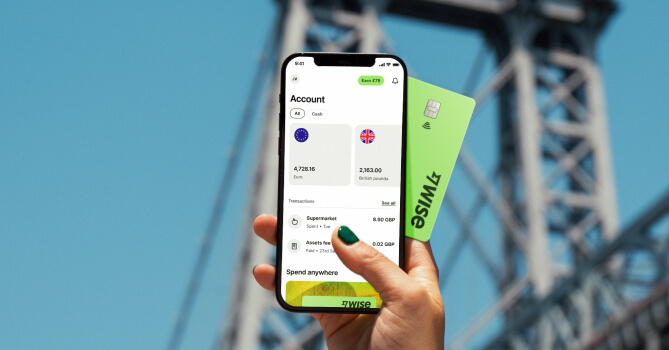
If you’re managing life across multiple countries, you’ve likely also considered Wise.
While Revolut is excellent for daily banking within Spain, this fintech is an essential tool, especially for anyone managing international finances. Here is a quick breakdown:
| Use Case | Better Option |
|---|---|
| Daily spending in Spain (salary, Bizum, bills) | Revolut |
| Large international transfers (e.g., buying property) | Wise |
| Holding multiple currencies long-term | Wise |
| Short-term travel spending | Revolut |
Think of Revolut as your digital Spanish bank account for everyday use, and Wise as your specialist for international money transfers and multi-currency management.
Revolut really shines for your day-to-day financial life in Spain. Think of it as your go-to digital wallet. It's perfect for everyday spending in euros, and you can have your Spanish salary paid directly into it and use Bizum to instantly pay friends or local businesses. Plus, its built-in budgeting and saving tools are great for keeping track of your spending.

Wise is your best friend for anything international: its fees are low and transparent, and it gives you the mid-market exchange rate and displays their transfer fees upfront. The standout feature is its multi-currency account, which gives you local account details for several countries. This makes getting paid from abroad feel like a local transfer.
Absolutely. It's a great option for expats, freelancers, students, and travelers looking for a modern, app-based bank with low fees4. However, you will need an account with a traditional bank if you need in-person branch services or want to apply for a Spanish mortgage.
You can, but keep two things in mind. First, your Revolut plan has a monthly limit for free withdrawals2. Once you go over that, Revolut will charge a small fee. Second, most Spanish ATMs add their own service charge (€2-€3) on top of that, no matter what plan you have.
No, you don't need to get one yourself. Revolut automatically gives its users in Spain an IBAN. This makes it easy to set up local direct debits and get paid your salary7.
Using a Revolut card in Spain is no longer just a travel hack; it's a full-fledged banking solution perfect for modern Spanish life. With its Spanish IBANs and Bizum integration, you can easily pay your rent, receive your salary, and cover your daily cortado without a hitch.
While it won't replace a traditional Spanish bank for big-ticket items like a mortgage, Revolut is a low-fee alternative for managing your day-to-day finances4. It's an excellent choice for expats and residents alike because it's so deeply integrated into the local Spanish system.
However, if your main priority is simply transferring money internationally at the mid-market exchange rate, then Wise is another great option to consider.
Sources:*Please see terms of use and product availability for your region or visit Wise fees and pricing for the most up to date pricing and fee information.
This publication is provided for general information purposes and does not constitute legal, tax or other professional advice from Wise Payments Limited or its subsidiaries and its affiliates, and it is not intended as a substitute for obtaining advice from a financial advisor or any other professional.
We make no representations, warranties or guarantees, whether expressed or implied, that the content in the publication is accurate, complete or up to date.

Sending an international transfer with ABANCA? Learn about transfer limits, hidden exchange rate markups, and how to save money by comparing with Wise.

Discover how to easily open a non-resident bank account in Spain. Compare top traditional Spanish banks with flexible digital alternatives like Wise.

Learn how to open a bank account in Andorra as a resident or non-resident. Compare top banks like Creand and Morabanc, and discover the Wise alternative.

Can you open a bank account in Spain with just a passport? Discover the requirements for non-residents, top bank options, and easier digital alternatives.

Need a UK bank account while living in Spain? Learn how to open a bank account in Gibraltar online, compare top banks, and discover low-cost alternatives.

Can you open a bank account abroad without leaving Spain? Learn about the legal requirements, tax forms (Modelo 720), and how to set it up online via Wise.