Paying and withdrawing money abroad with Santander in Spain
Traveling outside Spain? Learn about Banco Santander’s card fees abroad, how the Santander Viajes program works, and how to save money using a Wise card.



Figuring out the best way to exchange US dollars for euros can feel overwhelming, especially with hidden fees and confusing exchange rates. It's easy to end up with fewer euros for your dollars than you should. The good news? Managing your money in Spain has gotten much easier. Right now, card and mobile payments are accepted almost everywhere1, so you only need small amounts of cash.
This guide breaks down your best options, from Spanish banks and ATMs to digital alternatives. Modern solutions like Wise, for example, often provide the mid-market exchange rate and low, transparent fees, making it simpler to manage your money internationally without the hidden costs.
| Key Topic | Summary |
|---|---|
| The mid-market rate | This is the real exchange rate banks use. Use it as your baseline to check if a provider is adding a hidden markup to your dollars |
| True cost of exchange | The real costs hide in bad exchange rates and ATM fees. Decline Dynamic Currency Conversion (DCC) and choose to pay in euros (EUR) 2 |
| Best payment methods | Services like Wise offer much better exchange rates than Spanish banks. For daily spending, stick to cards without foreign transaction fees |
| Recommended practices | You rarely need cash in Spain anymore. Avoid airport currency bureaus at all costs, as they are the most expensive way to get euros |
When you're in Spain, getting the best value is all about making smart choices.
For everyday spending, the simplest and often cheapest method is to use a credit or debit card that doesn't charge foreign transaction fees.
If you need cash, withdraw euros directly from a Spanish bank's ATM. Just remember to always decline DCC and choose to be charged in euros (EUR), not your home currency.
For transferring money, multi-currency apps offer great exchange rates and easy management. The worst option is to use bureaus, especially at the airport.
| Sending dollars to Spain?: Read this first |
|---|
If you're picturing yourself landing in Madrid with a wallet stuffed full of euros, relax. For the most part, Spain is a card-friendly country1, so you won't need much cash.
Card and mobile payments are widely accepted everywhere, from the bustling food markets in Barcelona to the souvenir shops in Seville.
You can tap your card or phone for your morning coffee, a museum ticket, or a taxi ride.
That said, it's still a good idea to carry a small amount of cash (say, €50 to €100). You might need it for a few specific situations: leaving a tip for your server (tipping in cash is common), buying a drink at a small, cash-only bar, or picking up fresh produce at a local market stall.
It’s also handy for emergencies or if you venture into more remote villages where card machines might not be as common.
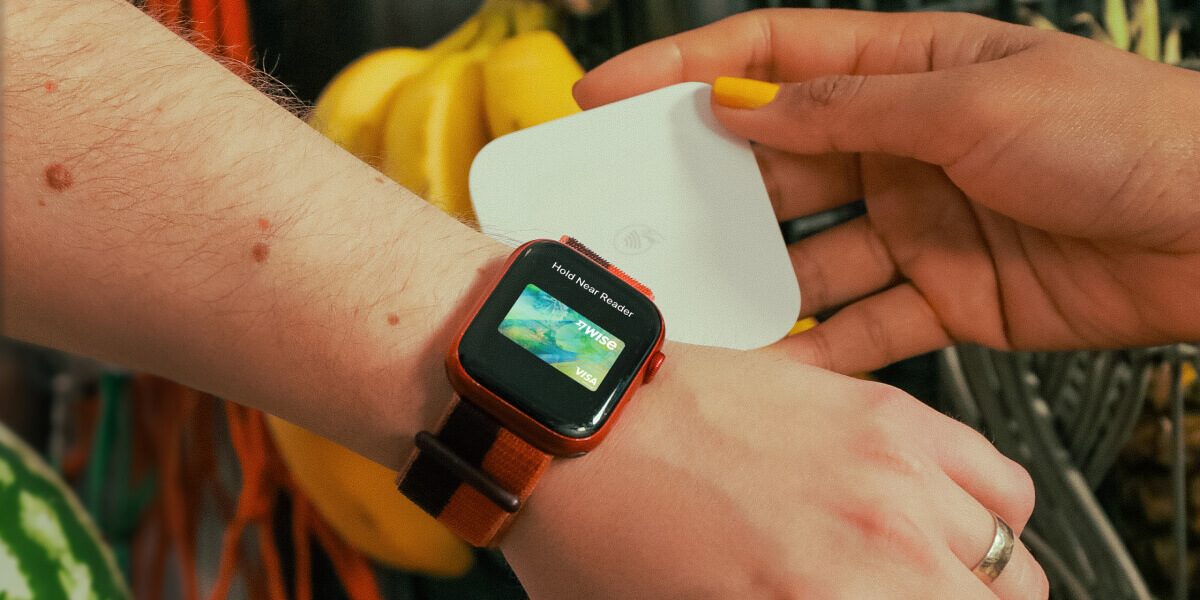
Digital wallets are very popular in Spain. You'll find contactless payment terminals almost everywhere, from major retailers to small local shops.
Just like with your physical card, you can use Apple Pay or Google Pay for your purchases.
Just make sure the card linked to your digital wallet doesn't charge foreign transaction fees, or you might end up with some surprise charges on your statement.
When you do need to move or exchange money, your choice of provider matters. Here is a look at the most common ways to exchange dollars to euros in Spain.
Services such as Wise and some multi-currency banking apps often provide much more competitive exchange rates than traditional banks.
For example, a traditional Spanish bank transfer might include a 2-4% exchange markup3, while some digital providers charge under 1% in total costs depending on the transfer size.
These apps are a cost-effective way for expats to spend and transfer money in Spain.
Exchanging currency at a traditional Spanish bank branch might feel familiar and secure.
However, traditional banks usually offer less competitive exchange rates than specialized digital services. The markups can be noticeable, and if you are transferring money from a US account, it can take several business days to clear.
If you see a currency exchange booth at a Spanish airport or in the middle of a tourist hotspot, it’s best to avoid it. These locations pay high rent for convenience, and they pass that cost onto you through the absolute worst exchange rates and highest hidden fees.
Only use them in an absolute emergency.
Using an ATM is probably the easiest way to get euros for your trip. But not all ATMs are the same. To get the best deal and avoid high fees, you need to know which machines to use.
Stick to the ATMs run by major Spanish banks. They're trustworthy, easy to find, and offer fair exchange rates and clear fees (usually around €0.50 to €3.00)4.
Keep an eye out for these banks:
Santander
BBVA
CaixaBank
Sabadell
Steer clear of independent ATMs, especially those managed by independent operators you'll find all over tourist areas. They're famous for their terrible exchange rates and hidden fees5.
It’s always worth walking a couple more blocks to find a real bank's ATM.
Before traveling, US citizens should look for accounts or international debit cards that waive foreign transaction fees. The Charles Schwab High Yield Investor Checking account and Fidelity debit cards refund all ATM fees and don't charge foreign transaction fees6.
The true cost of exchanging currency in Spain is rarely just the advertised fee. You have to watch out for transaction fees, ATM operator charges, and exchange rate markups.
But the biggest trap for foreigners in Spain is Dynamic Currency Conversion (DCC).
When you use a Spanish ATM or a card terminal at a restaurant, the screen might ask if you want to be charged in US dollars or euros. Always choose euros2.
If you choose dollars, the Spanish terminal applies its own exchange rate. Choosing EUR ensures your bank or card issuer does the conversion, which is always a better deal.
Wise is another fantastic option for managing your money in Spain, and it’s a favorite among digital nomads and expats. Think of it like a way to get bank details for international travel.
With a Wise multi-currency account, you can hold both US dollars and euros. You can then convert your dollars to euros within the app using the real, mid-market exchange rate.
They only charge a small, transparent fee for the conversion, which is often much cheaper than traditional bank transfers.
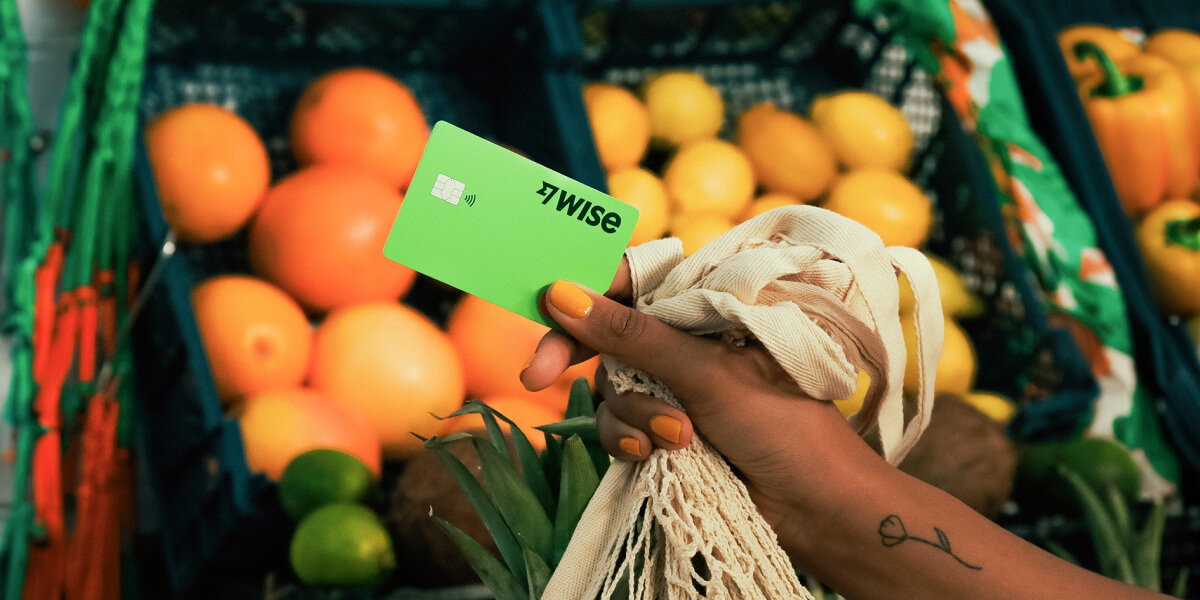
Once you have euros in your account, you can use the Wise debit card to spend like a local all over Spain without any foreign transaction fees. You can also withdraw cash from ATMs.
Wise gives you a couple of free ATM withdrawals each month (up to €250), after which they charge a small fee (2.69% per withdrawal).
This combo makes it a super convenient and budget-friendly tool for both everyday spending and getting cash when you need it.
Exchanging physical US dollar bills in Spain is expensive. It is much cheaper to withdraw euros from a local Spanish bank ATM using a travel-friendly debit card. If you must exchange physical cash, then compare rates at a few different bureaus in the city center.
No, the official currency of Spain is the euro (EUR). US dollars are not accepted in Spanish shops, restaurants, or businesses.
While the postal service offers some financial services, it is not a standard or cost-effective place to exchange US dollars. Stick to reliable online multi-currency accounts or bank ATMs.
Yes. Spanish ATMs have daily withdrawal limits7, and your US bank will have its own daily limits. Additionally, Spanish and EU financial regulations require identity verification for large international transfers to prevent money laundering.
With a bit of planning, exchanging currency in Spain can be a breeze. Steer clear of airport kiosks and instead, use reliable multi-currency accounts like Wise for the lowest fees.
When withdrawing cash, stick to official bank ATMs to avoid extra charges. Remember that both Spanish and your home bank will have daily withdrawal limits, so plan accordingly.
By using these modern financial tools and being aware of the local banking landscape, you'll save money and can focus on enjoying everything Spain has to offer.
Sources:*Please see terms of use and product availability for your region or visit Wise fees and pricing for the most up to date pricing and fee information.
This publication is provided for general information purposes and does not constitute legal, tax or other professional advice from Wise Payments Limited or its subsidiaries and its affiliates, and it is not intended as a substitute for obtaining advice from a financial advisor or any other professional.
We make no representations, warranties or guarantees, whether expressed or implied, that the content in the publication is accurate, complete or up to date.

Traveling outside Spain? Learn about Banco Santander’s card fees abroad, how the Santander Viajes program works, and how to save money using a Wise card.
Exchanging currency in Spain for a trip abroad? Learn the truth about 0% commission offers, compare your options, and discover how to save with Wise.

Planning a trip to Madrid? Discover the cheapest ways to exchange currency, how to avoid hidden bank markups, and why you should always decline DCC at ATMs.

Moving money as an expat in Spain? Discover how Revolut handles currency exchange rates, hidden weekend fees, and fair usage limits across different plans.

Moving from the UK to Spain? Learn how to exchange pounds to euros with fewer fees, better GBP to EUR rates, and smarter options for everyday life.

Discover the smartest way to exchange Swiss francs to euros in Spain. Compare providers, bypass SWIFT fees, and use SEPA Instant for fast transfers.