How to take payments on a website: A Guide for Small Businesses
Learn how to take payments on a website, from choosing a payment provider to setting up a checkout, accepting cards, and managing fees.



Navigating the end of a company lifecycle is complex, yet essential for any business owner to understand. This guide clarifies the liquidation meaning in business, outlines the formal processes involved, and offers actionable strategies for maintaining financial control.
Whether you are exploring exit options or managing financial distress, understanding these fundamentals is the first step toward informed decision-making.
| Table of Contents |
|---|


Liquidation is the structured legal process of winding down a company’s affairs. It involves the orderly realization of assets and the distribution of proceeds to creditors.
It is critical not to confuse this with general liquidity. While the liquidity meaning in business refers to a company's ability to pay short-term obligations with cash on hand, liquidation meaning in business refers to the terminal process of closing a company entirely.
When a business enters this phase, it signifies a major shift in operational reality. Normal trading operations must cease immediately, and the power of the board is superseded. If you are wondering what does it mean if a company is in liquidation, it means that control has passed entirely from the directors to a licensed, formal liquidator.
The nature of this process depends on the financial health of the entity. Understanding company liquidation meaning requires distinguishing between scenarios where a company can pay its debts and those where it cannot.
Directors or shareholders may proactively choose to wind up a company. This provides more control over the transition process. In a members’ voluntary liquidation, the company is solvent and chooses to close.
Conversely, a creditors’ voluntary liquidation occurs when directors acknowledge the company is insolvent and choose to initiate the process themselves2. This is often referred to as the voluntary liquidation meaning, representing a proactive attempt to manage the wind-down.
This occurs when creditors take legal action to force a company into liquidation due to unpaid debts2. A court order is typically required to commence this process. It is a high-stress scenario for business owners, characterized by an immediate loss of control. Seeking early financial and legal advice is critical to navigate this situation effectively.
The liquidation of assets meaning relates to the conversion of everything the company owns into cash. This includes physical property, intellectual property, and equipment. This process is distinct from simply clearing warehouse stock, as it involves a comprehensive evaluation of all company holdings to satisfy creditor claims.
A liquidation sale meaning involves the rapid disposal of physical inventory, often at a discount, to generate immediate liquidity. While this is a standard component of formal winding-up, it can also be used as a strategic tool by healthy businesses to boost capital or refresh stock. The stock liquidation meaning in this context focuses on speed and cash flow conversion.
While specific timelines are dictated by regional regulators, the process follows a standard legal framework.
An independent, qualified professional is appointed to take control of the company. They may be appointed by the court, the shareholders, or the creditors, depending on the circumstances of the liquidation.
The liquidator assumes responsibility for all company assets, including cash, stock, and intangible assets. They are legally tasked with investigating the company’s financial history. This includes identifying potentially voidable transactions or addressing fragmented records that may complicate the distribution of funds.
Liquidation follows a strict statutory priority waterfall. Secured creditors and employee entitlements are prioritized before unsecured creditors. Once assets are distributed and affairs are finalized, the company is removed from the corporate register.
Avoiding forced liquidation begins with proactive financial management. Business owners should maintain:
Maintaining transparent financial records and managing international costs effectively can alleviate significant stress. If your business operates globally, high transaction fees can erode the assets available for stakeholders.
Wise Business provides a solution for managing international payments at a transparent rate and clear fees.
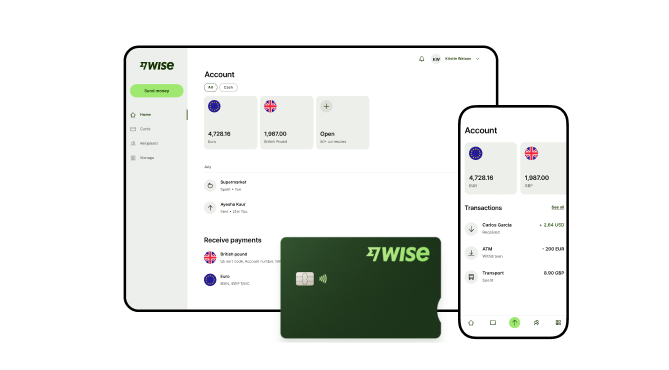
A Wise Business account allows users to send, receive, and hold in multiple currencies. Experience hassle-free global transactions by transacting like a local business. Here's what you get with a Wise Business account:
Sign up for the Wise Business account! 🚀
This general advice does not take into account your objectives, financial circumstances or needs and you should consider if it is appropriate for you.
**Capital at risk, growth not guaranteed. Interest is the name of a custody and nominee service provided by Wise Australia Investments Pty Ltd in partnership with Franklin Templeton.
1. What is the exact difference between liquidation and bankruptcy?
Liquidation specifically applies to companies and the process of winding them up. Bankruptcy generally refers to the legal status of an insolvent individual.
2. How long does the company liquidation process typically take from start to finish?
The timeline varies significantly based on the complexity of the company’s assets, the number of creditors, and any potential legal disputes. It can range from several months to several years.
3. Can a company survive or resume trading after going into formal liquidation?
Generally, no. The purpose of liquidation is to end the company's existence. Once the process is complete, the company is deregistered and ceases to exist.
4. Are directors personally liable for company debts during the liquidation process?
Directors are not usually personally liable for company debts unless they have provided personal guarantees or have breached specific duties, such as trading while insolvent.
Sources
Sources last checked on June 29, 2026
*Please see terms of use and product availability for your region or visit Wise fees and pricing for the most up to date pricing and fee information.
This publication is provided for general information purposes and does not constitute legal, tax or other professional advice from Wise Payments Limited or its subsidiaries and its affiliates, and it is not intended as a substitute for obtaining advice from a financial advisor or any other professional.
We make no representations, warranties or guarantees, whether expressed or implied, that the content in the publication is accurate, complete or up to date.

Learn how to take payments on a website, from choosing a payment provider to setting up a checkout, accepting cards, and managing fees.

Compare GoCardless vs Airwallex on features, global capabilities, and pricing. Find the right payment solution for your Australian business.

Compare Payoneer vs Airwallex. Explore key differences in features, global coverage, expense management, corporate cards, setup, and fees.

Explore popular online payment methods in Australia, their key benefits, and setup steps. Compare essential factors like fees and security. Read here!

Discover how to open an Amazon Business account in Australia. We explore procurement benefits, pricing tiers, setup steps, and handling global payments.

Learn how Australian SMBs can prevent payment fraud. We explore essential security features, main payment options, setup steps, and sending global payments.